KoratSilver-blue, green-eyed and devoted
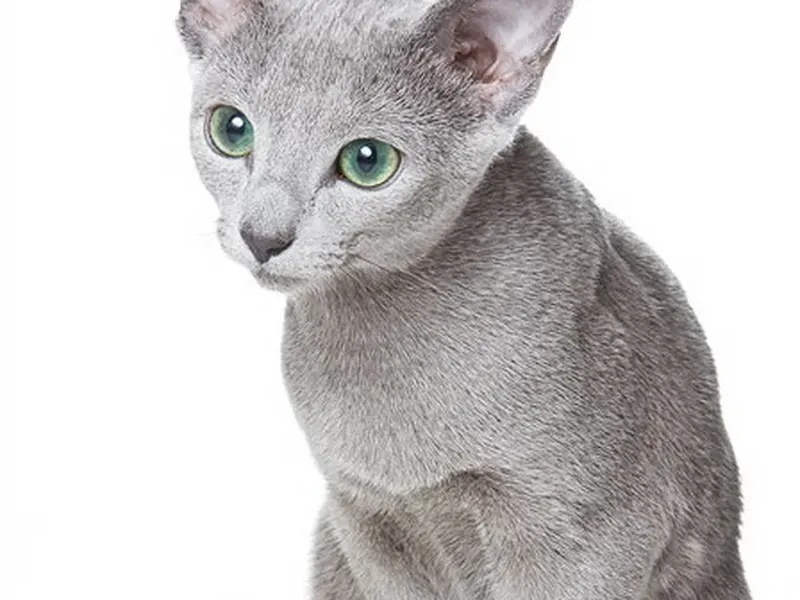
The Korat is a medium-sized silver-blue cat from Thailand with a heart-shaped face and luminous green eyes. It is one of the oldest natural breeds, affectionate and playful with its family, and suits calm homes that want a devoted companion.
Why people love the Korat
- Devoted and affectionate with its family
- Very low shedding single coat
- Playful and intelligent
- Long-lived, often 12 to 18 years
- Unique silver-blue coat and green eyes
Things to consider
- Can be wary of strangers
- Sensitive to loud noise and busy homes
- Some are possessive of toys or people
- May be territorial with other cats
- Rare; few US breeders
Is this breed right for you?
10 questions · live resultHistory and Origin
The Korat is named after the Khorat Plateau in northeastern Thailand. It is described in the Tamra Maew, the Thai book of cat poems, under the name Si-Sawat, a word associated with a silver-gray color. In Thailand, Korats were traditionally given as gifts for good luck, including to brides.
The first well-documented imports to the United States were in 1959, when Jean Johnson brought a pair called Nara and Darra from Thailand. CFA recognized the breed in 1966, and it is accepted by TICA, FIFe and GCCF. The Korat has always been bred only in blue, without outcrosses to other breeds.
Size, Coat and Color
The Korat is a medium-sized, semi-cobby cat with a muscular, compact body and heavy bone for its size. Adults typically weigh 6 to 10 lb and feel heavier than they look. Males are usually larger and more muscular, with broader heads, while females are more refined.
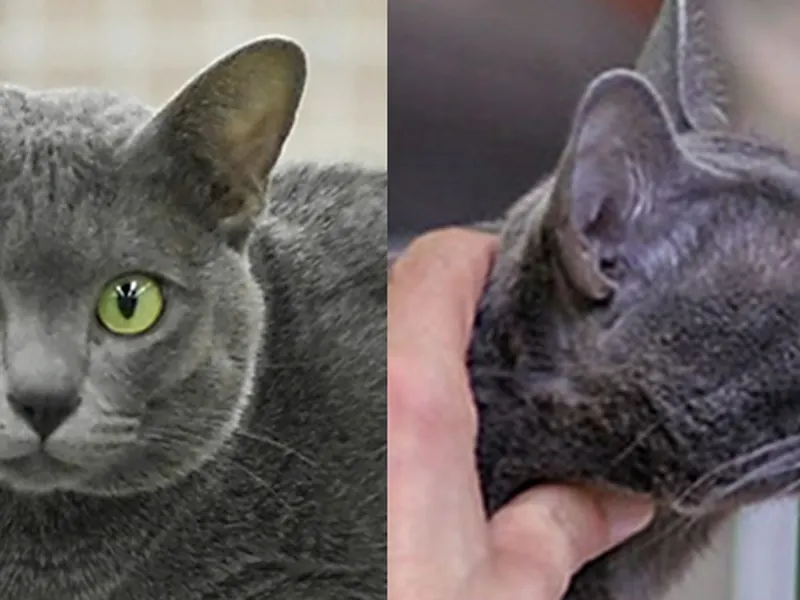
The head is heart-shaped when viewed from the front, with a gentle curve from forehead to nose. The ears are large and rounded at the tips. The eyes are large, round and luminous green, though kittens are born with yellowish or amber eyes that gradually turn green over two to four years.
The coat is short, glossy and single, with no undercoat. The breed has only one color:
- Silver-tipped blue: each hair is blue with silver tips, creating a shimmering effect
The silver sheen is most visible where the hair is shortest, such as on the nose and paws. Unlike other blue breeds, the Korat has never been crossed with other breeds to change its color.
Personality and Temperament
Korats tend to be devoted and affectionate with their family and often choose a favorite person. They like routine, quiet and being near their people.
They are playful and intelligent, and some can be possessive of toys or people. They may be wary of strangers and sensitive to loud noise, so busy homes with frequent visitors may unsettle them. With gentle children and calm pets introduced slowly, they can do well.
Korats are known for their keen senses: they can startle at sudden sounds, but they are also very aware of their people's moods and routines. Many enjoy short games of fetch and like to be carried around. Some can be territorial with other cats, so introductions to new pets should be slow and careful.
Are Korats Good with Kids?
Korats can do well with gentle, older children but may be overwhelmed by loud, busy households.
They are affectionate and playful with their family, but they are sensitive to noise and sudden movements. Children who handle cats calmly and respect boundaries are the best match. Teach kids to let the Korat approach them and to avoid grabbing or chasing. With proper introductions and a quiet retreat, many Korats form strong bonds with children in their family.
A quiet room the cat can retreat to, ideally with a high perch, gives a Korat confidence in a home with children.
Can Korats Live with Other Cats or Dogs?
Korats can live with other pets, but introductions should be slow, as some are territorial with other cats.
They often do best with calm, cat-friendly dogs or another Korat. Some Korats prefer to be the only cat, especially if they are possessive of their people or toys. Introduce new pets gradually, starting with scent swapping and short supervised meetings. Provide separate food bowls, litter boxes and resting spots. With patience, many Korats accept and even enjoy the company of other pets.
Are Korats Lap Cats?
Many Korats enjoy close contact with their people, and some are devoted lap cats.
They tend to choose a favorite person and like to be near them, often following them around the house. Some enjoy being carried, while others prefer to sit beside their owner rather than on a lap. Korats are very aware of their people's moods and routines and often seek affection when the household is calm. Each cat varies, so meeting the parents gives a good idea of the kitten's likely personality.
Activity, Play and Enrichment
Korats are moderately active.
- Daily interactive play with wand toys and balls.
- Puzzle feeders and trick training, which suit their intelligence.
- Climbing trees and window perches.
They often prefer play with their people to solitary games, so schedule short sessions every day.
They often prefer a few favorite toys. Rotating them weekly keeps play interesting, and a sturdy perch near a window offers daytime entertainment.
Grooming and Shedding
The coat is short, glossy and single, with no undercoat. Each hair is blue with silver tips, which creates a sheen. A weekly brush or rub with a soft cloth is enough. Shedding is very light.
Korats are born with yellowish eyes that gradually turn green, usually reaching full color by two to four years of age.
Feeding and Nutrition
Korats are compact and muscular, and they can gain weight if overfed or underexercised. Measure meals and use daily play sessions to keep them fit. Because the coat is short and close-lying, weight gain is usually easy to spot.
Kittens need a complete growth food until your vet advises switching. Korats mature slowly, and their eye color is still changing during the first few years, but growth itself is moderate.
- Feed two to three measured meals a day for adults.
- Encourage water intake with wet food or fountains to support kidney and urinary health.
- Use food puzzles to engage their intelligence and slow eating.
- Dental care matters: daily tooth brushing helps prevent gum disease.
Treats should be small and counted in the daily ration, especially for cats trained to do tricks.
| Adult weight | Indoor, less active | Typical adult | Active or intact |
|---|---|---|---|
| 6 lb | 150 kcal | 180 kcal | 210 kcal |
| 8 lb | 180 kcal | 220 kcal | 260 kcal |
| 10 lb | 220 kcal | 260 kcal | 300 kcal |
Estimates use the resting energy formula veterinarians work with (70 × body weight in kg0.75) and standard activity factors. Use the feeding guide on your food as a starting point and adjust to body condition. Kittens, seniors, pregnant animals and pets that need to lose weight have different needs, so ask your vet.
Health and Lifespan
Korats are considered healthy and often live 12 to 18 years. Inherited conditions to know about:
- GM1 and GM2 gangliosidosis, rare inherited neurological diseases for which DNA tests exist. Responsible breeders test breeding cats.
- Korats may be sensitive to anesthesia, so mention the breed to your vet.
Ask for gangliosidosis test results for both parents.
Korat Price and Cost of Ownership
Typical breeder price in the US$800 to $2,000
A Korat kitten from a reputable US breeder typically costs about $800 to $2,000. Prices vary by breeder, region and lines. The breed is relatively rare, so waiting lists are common. Good breeders screen for inherited conditions, including gangliosidosis, and can show results.
Korats rarely appear in rescues, but breed clubs may know of adult cats needing homes.
Breed-specific ongoing costs include:
- Dental cleanings, as with many breeds.
- Pet insurance for inherited conditions and general care.
- Climbing trees and enrichment for an intelligent cat.
Food and grooming costs are low for a cat of 6 to 10 lb.
Many Korat breeders ask detailed questions about your home to make sure it is calm enough for the breed.
Is the Korat Right for You?
Korats suit calm adults, couples and quiet families who want an affectionate, loyal indoor cat. They are well suited to apartments.
They are less suited to noisy, busy households or owners who are away most of the day. They are also rare, so expect a waiting list.
Expect a cat that wants to be part of your life but values quiet. Many Korat owners describe them as thoughtful companions that settle into a routine and stay close throughout the day. They live long lives, so plan for 15 years or more.
Korat Traits at a Glance
Korat FAQ
What color are Korat cats?
Korats come only in silver-tipped blue, with green eyes as adults.
How big do Korat cats get?
Adults typically weigh 6 to 10 lb (about 3 to 4.5 kg). They feel heavier than they look because of their muscular build.
Do Korat cats shed?
Very little. They have a single coat with no undercoat.
Are Korat cats hypoallergenic?
No. They produce Fel d 1 like other cats, though their low shedding may help some mildly allergic people.
How long do Korat cats live?
Typically 12 to 18 years.
How much does a Korat kitten cost?
Pet-quality kittens in the US typically cost around $800 to $2,000, depending on breeder and region.