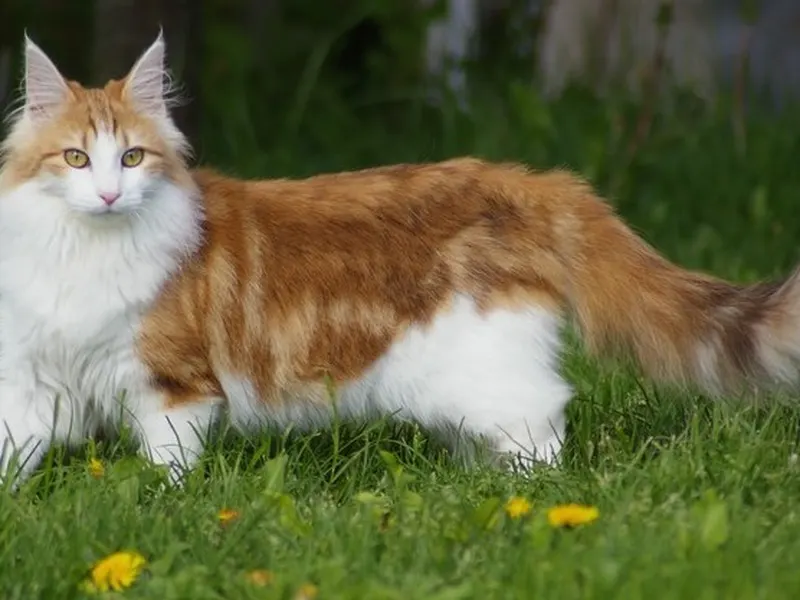
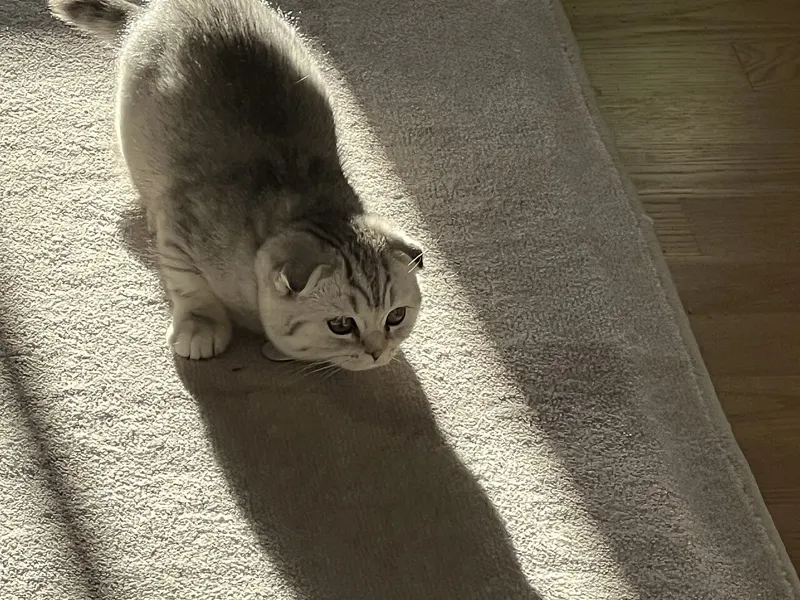
British LonghairThe teddy bear with longer fur
The British Longhair is the semi-longhaired version of the British Shorthair: round face, chunky body and a calm, independent nature. It suits people who want a relaxed indoor companion that is affectionate without being demanding.
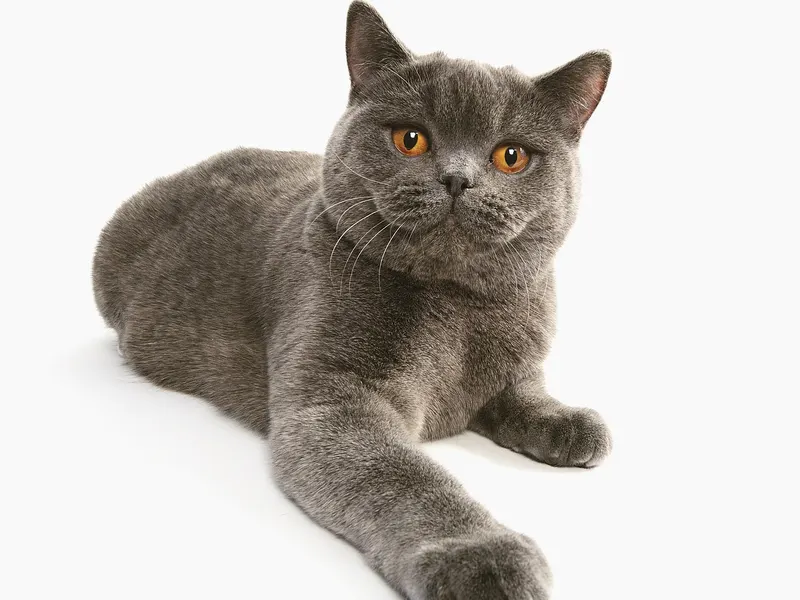
Why people love the British Longhair
- Calm, steady and easygoing temperament
- Quiet voice
- Copes well with a normal workday alone
- Gets along with respectful children, cats and dogs
- Plush, semi-long coat in many colors
Things to consider
- Semi-long coat needs brushing several times a week
- Prone to weight gain
- Usually not a lap cat and dislikes being carried
- Inherited risks such as HCM and PKD
- Heavy seasonal shedding
Is this breed right for you?
10 questions · live resultHistory and Origin
The British Longhair comes from the same program as the British Shorthair. After the Second World War, breeders in Britain rebuilt the depleted British Shorthair population with outcrosses to Persians and other breeds. These crosses introduced the recessive longhair gene, and longhaired kittens kept appearing in British litters.
For decades these kittens were sold as pets, but breeders eventually began to develop them deliberately. TICA, FIFe and GCCF now recognize the British Longhair, while CFA does not. Its standard mirrors the British Shorthair in everything except coat length.
The breed has gone by several names over the years, including British Semi-Longhair and, in some clubs, Britannica. Because the longhair gene is recessive, two British Shorthairs that both carry it can still produce a longhaired kitten, so many breeders work with both coat types.
Size, Coat and Colors
The British Longhair is a sturdy, cobby cat with a broad chest, short, thick legs and a round head. Adults weigh about 8 to 17 lb, and males are noticeably larger and heavier than females, often with prominent jowls. The breed matures slowly, reaching full size at around three years.
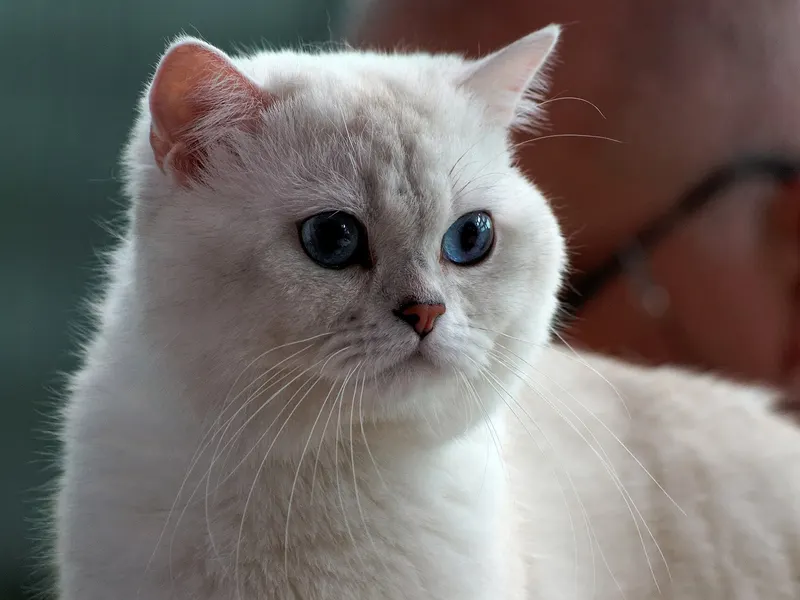
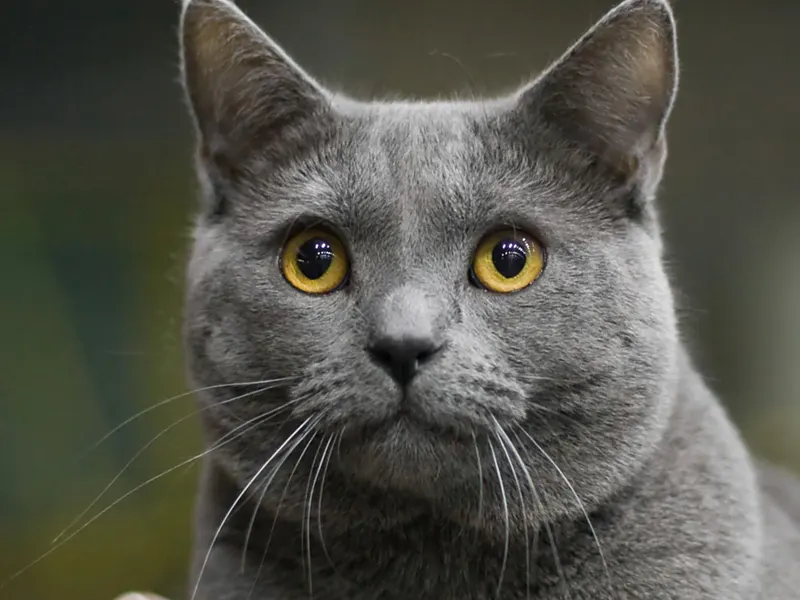
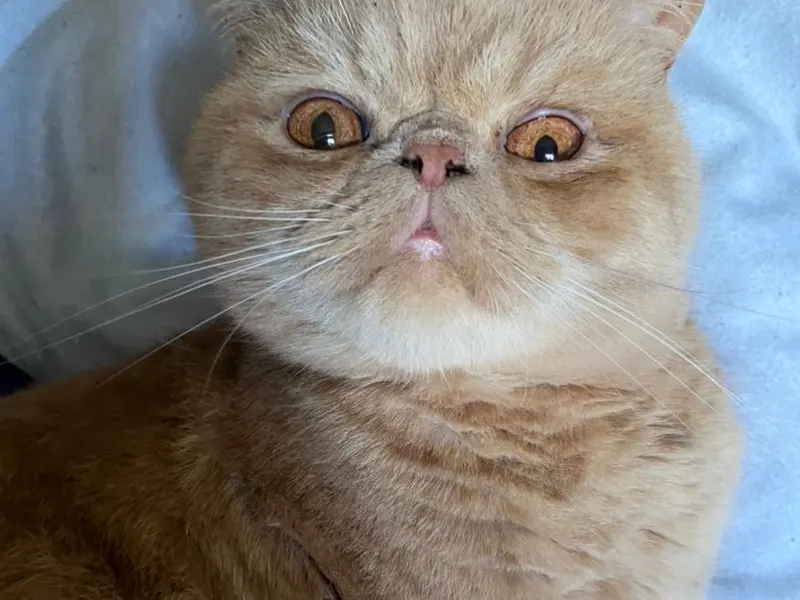
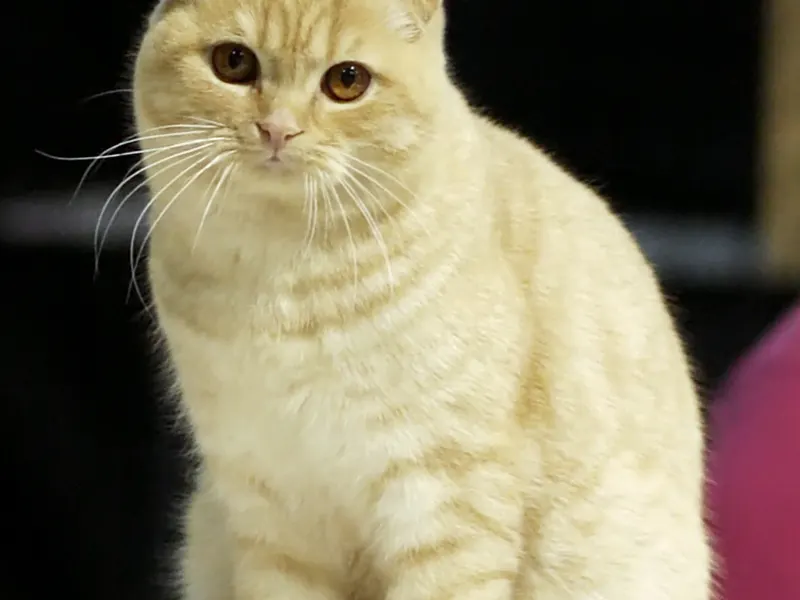
The face is round, with full cheeks, a short, broad nose, small, rounded ears set wide apart and large, round eyes. Eye color matches the coat: copper or gold in most colors, green in silvers and goldens, and blue in colorpoints.
The coat is semi-long, dense and plush, standing away from the body, with a thick undercoat. It is shorter than a Persian's and not as prone to matting. A ruff and britches develop in winter.
The breed is accepted in many colors and patterns, including blue, black, white, cream, lilac, chocolate, cinnamon and fawn, as well as tabby, bicolor, colorpoint, tortoiseshell and silver or golden shaded.
Personality and Temperament
British Longhairs are calm, steady and easygoing. They like to be near their people but are generally not lap cats and many dislike being picked up and carried. They are quiet, with a small voice.
They usually accept respectful children, other cats and dogs, and are happy to amuse themselves while you are at work. Their even temper makes them a good choice for first-time owners.
Many owners describe them as dignified: they like to observe, sit in the same room and join in on their own schedule. They usually prefer having all four paws on the ground, so let children know to stroke rather than lift them. They handle change and routine disruptions with fairly little fuss.
Are British Longhairs Good for First-Time Owners?
Yes, British Longhairs are often an excellent choice for first-time owners. They are calm, adaptable and generally easy to live with.
New owners should plan for brushing two or three times a week, more during seasonal sheds. Weight management is important, since the breed is prone to obesity, so measured meals and daily play are needed. They are not typically lap cats and may dislike being carried, which surprises some owners. Choosing a breeder who screens for HCM and PKD gives the best start.
Are British Longhairs Good With Kids?
Yes, British Longhairs are usually tolerant and patient with respectful children. Their calm temperament makes them a good fit for families.
Children should be taught to stroke rather than lift the cat, since many British Longhairs prefer to keep all four paws on the ground. They are heavy cats, so lifting can be uncomfortable for both cat and child. Quiet play with wand toys is a great way for children to bond with them. The cat should have a calm retreat space when it wants to rest.
Can British Longhairs Be Indoor-Only Cats?
Yes, British Longhairs adapt very well to indoor life. Their low to moderate energy and calm nature suit apartments and houses alike.
Indoor cats still need enrichment:
- Two short play sessions a day with wand or chase toys.
- Sturdy perches and window views.
- Food puzzles to add mental work and slow eating.
Because indoor British Longhairs are less active, weight gain is a common problem, so portion control is especially important. A secure catio or harness walks can add variety for cats that enjoy outdoor time.
Activity, Play and Enrichment
This is a low to moderate energy breed. Kittens are playful, but adults prefer short bursts of activity followed by long naps.
- Two short play sessions a day with wand or chase toys.
- Sturdy, wide perches rather than tall, narrow towers.
- Food puzzles to slow down eating and add mental work.
They are prone to weight gain, so portion control matters.
Grooming and Shedding
The coat is semi-long, dense and plush, with a thick undercoat. Brush two or three times a week to prevent knots, especially behind the ears, in the armpits and on the britches. Daily brushing helps during the heavy seasonal shed.
Blue (gray) is the classic color, but the breed is accepted in many colors and patterns. It is not a good choice for allergy sufferers.
Feeding and Nutrition
Weight control is the most important part of feeding a British Longhair. The breed is prone to obesity, and extra weight increases the risk of diabetes, joint problems and other health issues. The dense coat hides body shape, so check by touch: ribs should be easy to feel under a thin layer of fat.
- Feed measured meals, not free-choice dry food.
- Use food puzzles to slow eating and add activity.
- Adjust portions after neutering and as the cat ages.
British Longhairs mature slowly, often over about three years, so kittens and young adults should be fed for steady growth without becoming chubby. Ask your vet when to switch from kitten food.
The semi-long coat means more swallowed hair, especially during seasonal sheds. Regular brushing is the best way to reduce hairballs. Hydration supports urinary health, so offer fresh water in several places and consider a water fountain. Wet food can add moisture. Treats should be small and counted in the daily ration.
| Adult weight | Indoor, less active | Typical adult | Active or intact |
|---|---|---|---|
| 8 lb | 180 kcal | 220 kcal | 260 kcal |
| 12 lb | 250 kcal | 300 kcal | 350 kcal |
| 17 lb | 320 kcal | 390 kcal | 450 kcal |
Estimates use the resting energy formula veterinarians work with (70 × body weight in kg0.75) and standard activity factors. Use the feeding guide on your food as a starting point and adjust to body condition. Kittens, seniors, pregnant animals and pets that need to lose weight have different needs, so ask your vet.
Health and Lifespan
British Longhairs typically live 12 to 17 years. They share the health profile of the British Shorthair:
- Hypertrophic cardiomyopathy (HCM): echocardiograms of breeding cats are advised.
- Polycystic kidney disease (PKD): possible through Persian ancestry; a DNA test is available.
- Obesity and related problems such as diabetes.
- Blood type B is common, which matters for transfusions and breeding.
Ask breeders for heart scan and PKD results.
British Longhair Price and Cost of Ownership
Typical breeder price in the US$1,000 to $2,500
A British Longhair kitten from a reputable US breeder typically costs about $1,000 to $2,500. Prices vary by breeder, region and lines, and rare colors or show-quality kittens may cost more. The breed is less common in the US than the British Shorthair, so waiting lists are normal. Ask for HCM heart scans and PKD DNA results for both parents.
Adult British Longhairs occasionally appear in rescues, sometimes listed as British Shorthairs or longhair mixes.
Breed-specific ongoing costs include:
- Grooming tools or occasional professional grooming.
- Heart screening and kidney checks.
- Food puzzles and weight management support.
- A sturdy, large litter box.
Is the British Longhair Right for You?
A British Longhair suits calm households, working people and apartment dwellers who want an undemanding companion and can commit to regular brushing.
It is less suited to owners who want a cuddly lap cat or a very active playmate, or to anyone with allergies.
Plan for a sturdy, larger litter box, scheduled brushing sessions and a careful feeding plan. With those in place, a British Longhair is one of the easiest breeds to live with day to day.
British Longhair Traits at a Glance
British Longhair FAQ
How big do British Longhair cats get?
Adults typically weigh 8 to 17 lb (about 3.5 to 7.5 kg), with males noticeably larger. They mature slowly, over about three years.
Do British Longhairs shed a lot?
Yes, they shed moderately to heavily, especially in spring and fall. Brushing several times a week helps.
Are British Longhairs lap cats?
Usually not. They like to be close to their people but many prefer sitting beside you to being held.
Can British Longhairs be left alone?
They are one of the more independent breeds and usually cope well during a normal workday.
How long do British Longhair cats live?
Typically 12 to 17 years. Heart and kidney screening of parents is recommended.
How much does a British Longhair cost?
Pet-quality kittens in the US typically cost around $1,000 to $2,500, depending on breeder and region.