Fluffy Cat BreedsLong, plush coats and the care they need
Breeds on this list have long or semi-long coats with plenty of volume, often with a thick undercoat, a full ruff and a plumed tail. This guide helps you pick a fluffy cat whose grooming needs fit your schedule and explains the care differences between coat types.
Top 10 Fluffy Cat Breeds
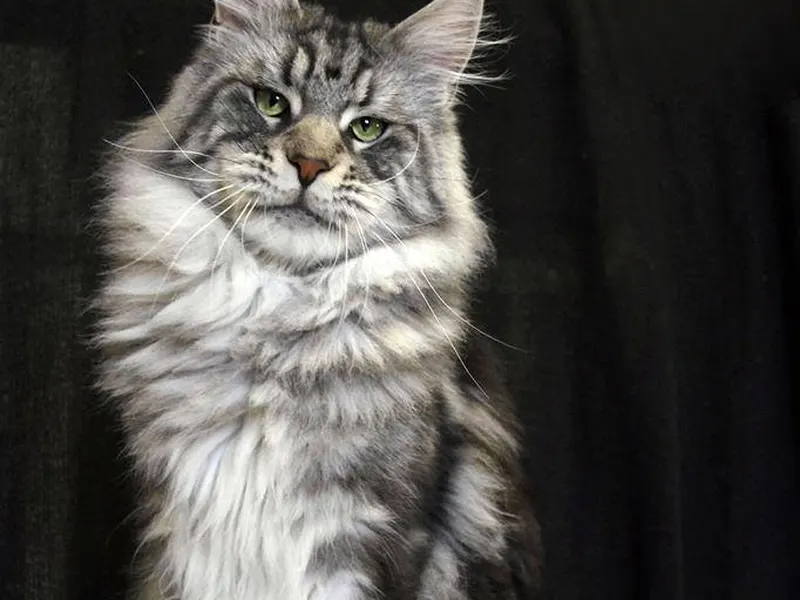
A shaggy, water-resistant coat, lion-like ruff and bushy tail make this large breed instantly recognizable.
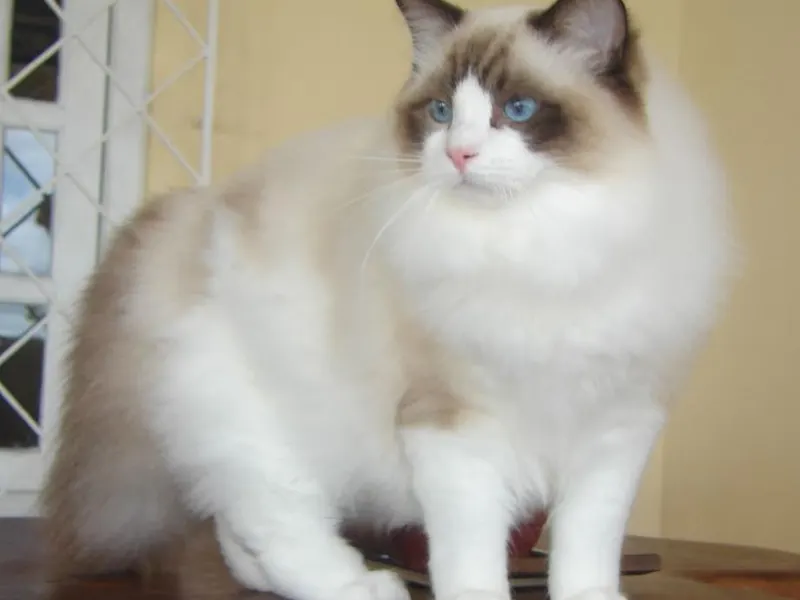
A silky semi-long coat with little undercoat gives the Ragdoll its plush look with fewer mats than many longhairs.
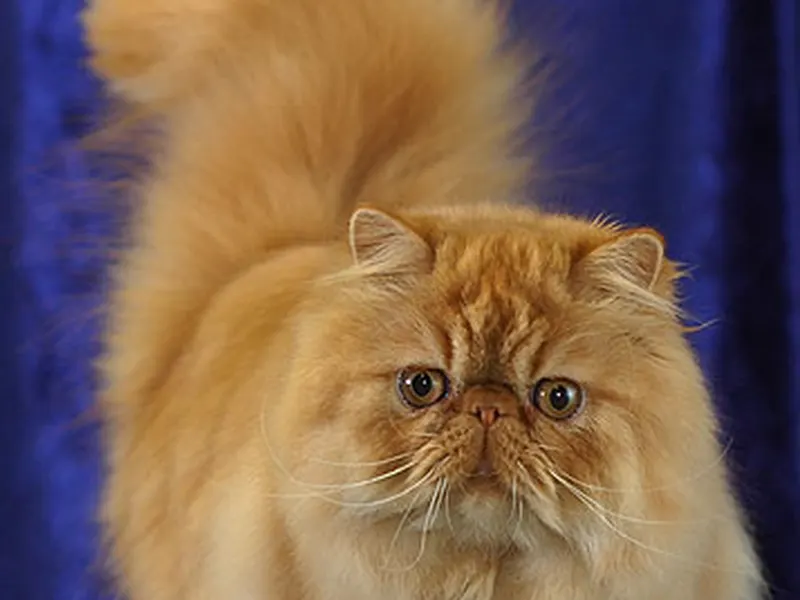
The classic fluffy cat, with a very long, dense coat that needs daily combing to stay mat-free.
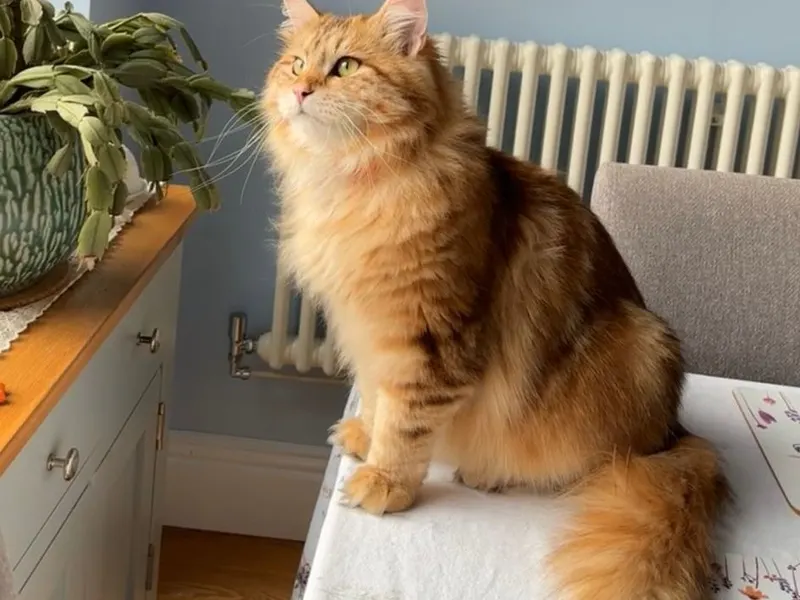
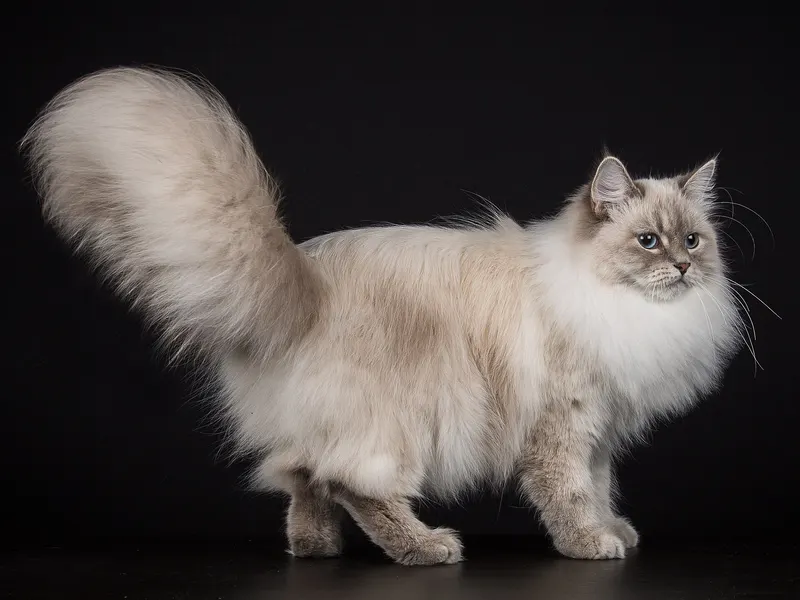
A dense triple coat built for Russian winters gives the Siberian its full, rounded look.
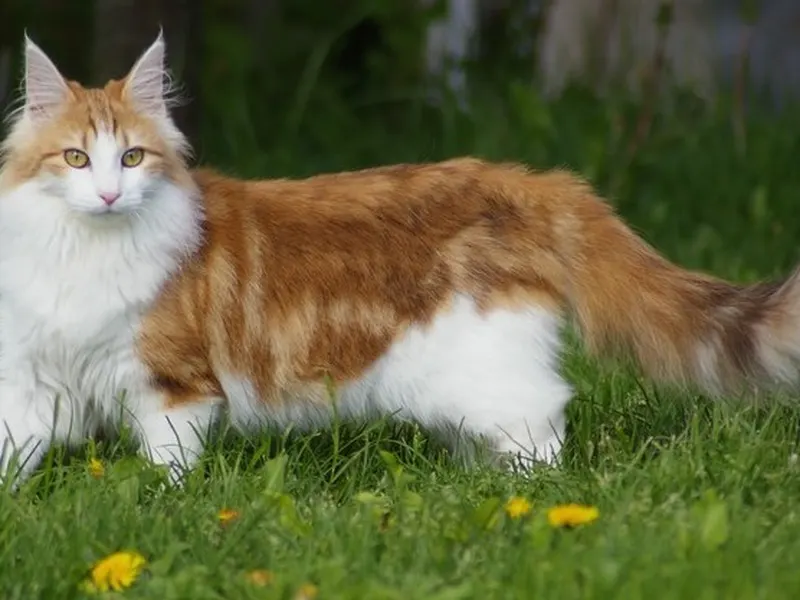
A water-resistant double coat, full bib and long plumed tail evolved for Scandinavian winters.
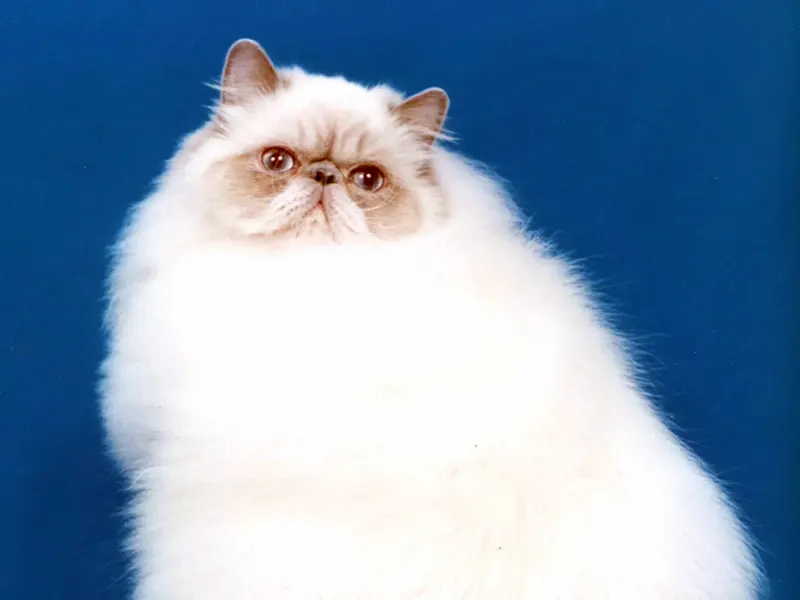
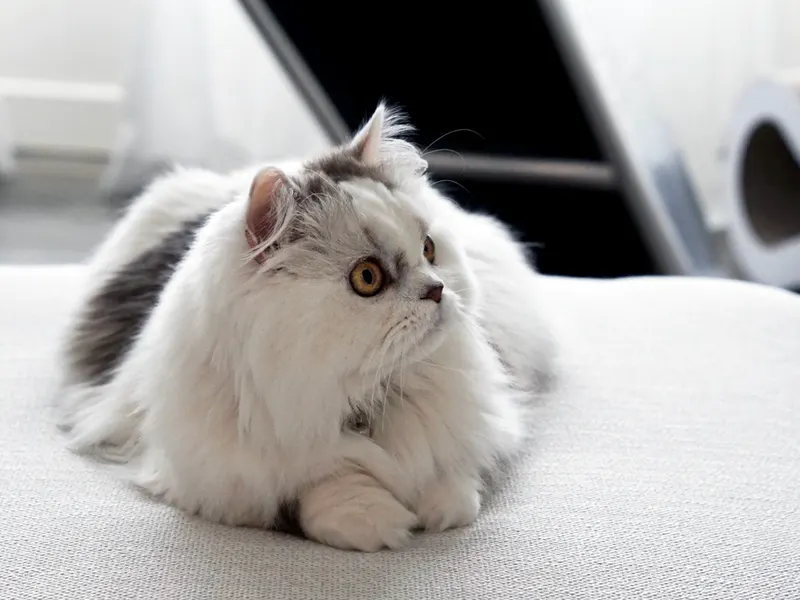
Persian fluff with Siamese-style color points and blue eyes, plus the same daily grooming routine.
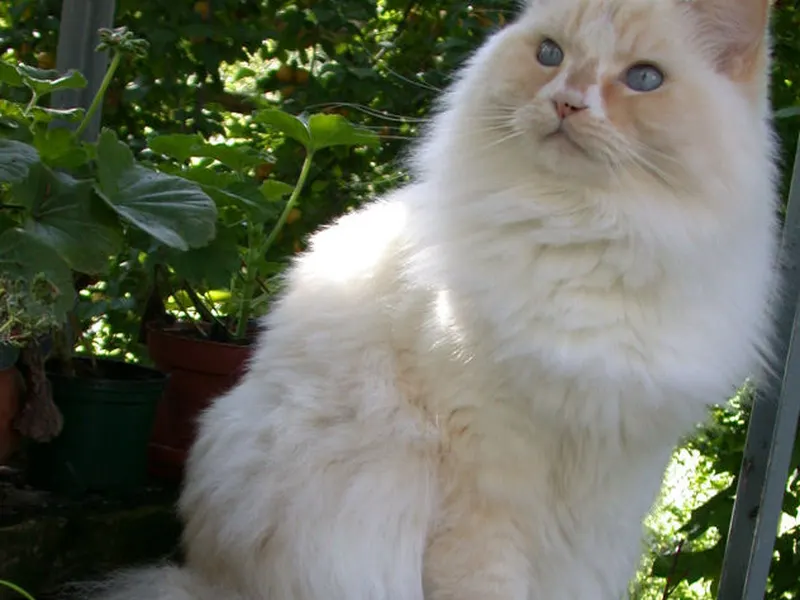
Long, rabbit-soft fur on a big, cuddly body, with a coat that is fairly easy to keep tangle-free.
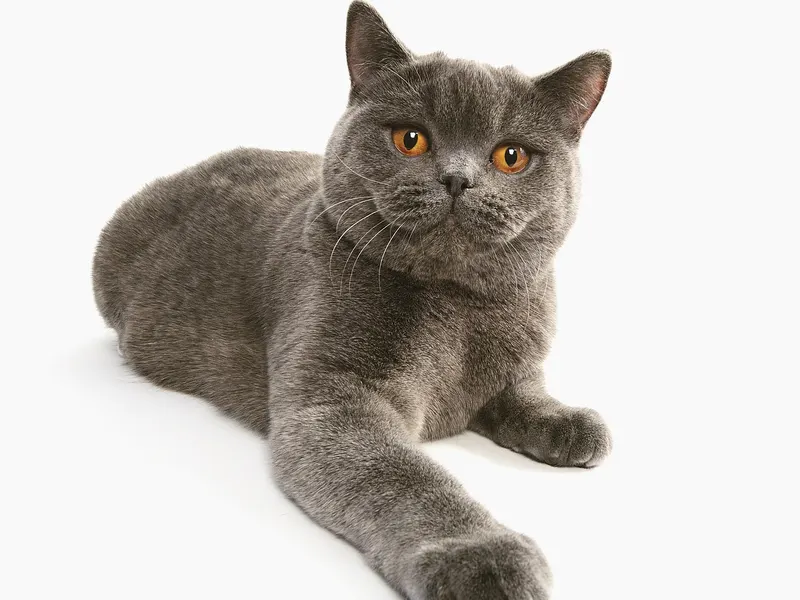
The British Shorthair's round face and calm nature paired with a plush, flowing semi-long coat.
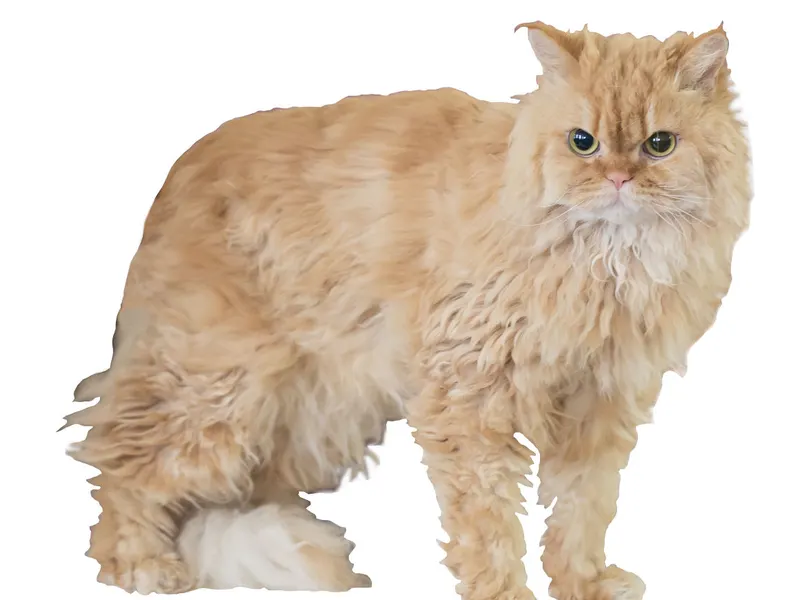
A silky coat with little undercoat and four white gloved paws, more resistant to matting than many fluffy breeds.
A Persian-style long coat on a short-legged frame, bred from Persians and Munchkins.
All Fluffy Cat Breeds A to Z
Long-Haired vs. Fluffy: What Is the Difference?
Coat length alone does not make a cat fluffy. Volume comes from the undercoat, the soft, dense layer under the longer guard hairs. A Persian or Siberian has a thick undercoat and looks round and full. A Birman or Ragdoll has less undercoat, so the coat lies flatter and silkier.
Semi-long breeds such as the Norwegian Forest Cat often change with the seasons, growing a big winter ruff and shedding much of it in spring.
Climate plays a role too: cats kept indoors in heated homes often carry a lighter coat year-round.
Grooming Needs by Coat Type
- Daily combing: Persian and Himalayan. Their fine, dense coats mat quickly, especially behind the ears, under the legs and on the belly.
- Two to three times a week: Maine Coon, Siberian, Norwegian Forest Cat and British Longhair, with more during seasonal sheds.
- About weekly: Ragdoll, Ragamuffin and Birman, whose silkier coats tangle less.
A metal comb that reaches the skin is more useful than a brush that only smooths the top layer.
Common Mistakes With Fluffy Cats
The biggest mistake is waiting until mats form. Mats pull on the skin, trap moisture and often have to be shaved out. Another is skipping grooming in senior or overweight cats, who struggle to reach their backs and hindquarters.
Long coats also mean more hairballs. Regular brushing removes loose hair before the cat swallows it, and a tidy hygiene trim around the rear helps long-haired cats stay clean.
Bathing is another trap. Most fluffy cats rarely need a bath, and bathing a matted coat tightens the tangles. Comb out every knot first, and use a cat-safe shampoo only when the coat is truly dirty or greasy.
Health and Welfare Notes
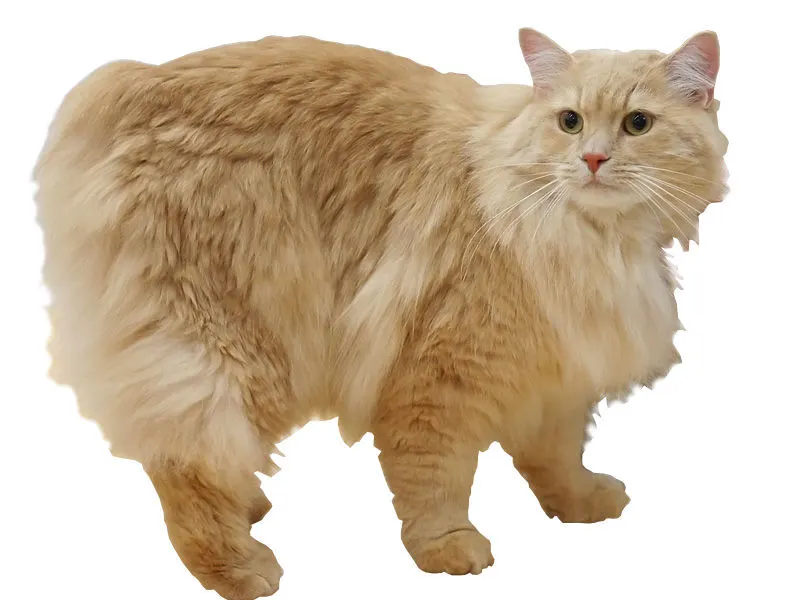
The Persian and Himalayan have flat faces, a brachycephalic shape that can cause breathing problems, tear staining and dental crowding. Look for breeders who favor more open faces and noses. The Minuet has short legs from Munchkin ancestry, and the welfare effects of short-legged breeding are debated among vets and registries. The Cymric, a longhaired Manx, carries the tailless gene, which can cause spinal problems.
Large fluffy breeds such as the Maine Coon and Ragdoll have known risks for heart disease (HCM), so ask about screening of the parents.
Choosing the Right Fluffy Cat
Match the coat to your time. If daily grooming sounds like a chore, a Ragdoll, Birman or Ragamuffin will look fluffy with less effort. If you live somewhere hot, remember that dense double coats can make cats uncomfortable without air conditioning. Many fluffy mixed-breed cats, often listed as domestic longhairs, are available in shelters and can be just as striking as any pedigree.
Frequently Asked Questions
What is the fluffiest cat breed?
The Persian has one of the longest, densest coats of any breed. The Siberian, Maine Coon and Norwegian Forest Cat are also very fluffy, with thick layered coats.
Do fluffy cats shed a lot?
Most do, especially during spring and fall coat changes. Regular combing keeps loose hair off your furniture and reduces hairballs.
Which fluffy cat breed is easiest to groom?
Breeds with less undercoat, such as the Ragdoll, Birman and Ragamuffin, usually tangle less than Persians and need brushing about once a week.
Should I shave my long-haired cat in summer?
Usually not. The coat helps regulate temperature and protect the skin. Shaving is mainly used to remove severe mats, ideally by a vet or experienced groomer.
Are fluffy cats hypoallergenic?
No. Long coats spread allergen-coated hair around the home. Some people tolerate Siberians better, but no cat is allergy-free.
Not sure which cat breed fits you?
Answer 10 quick questions and get cat breeds ranked for your home, schedule and family.