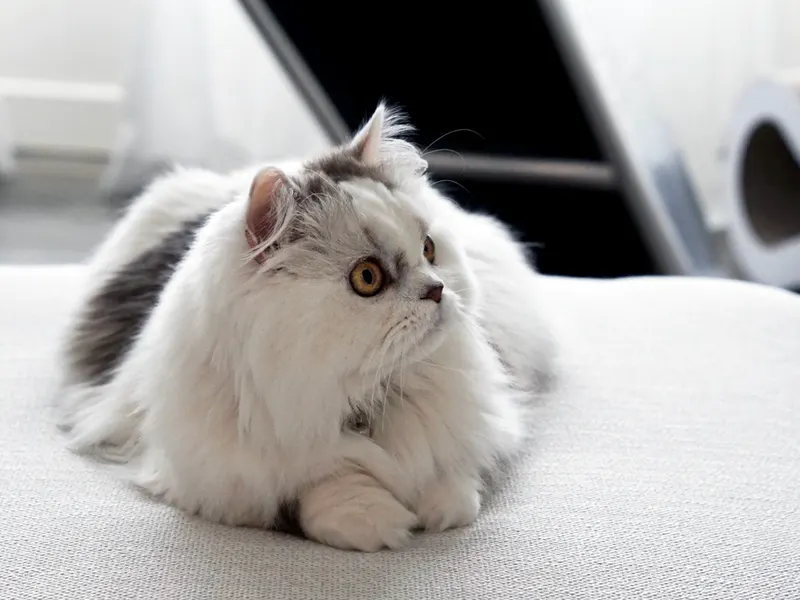
RagamuffinSoft, heavy and made for laps
The Ragamuffin is a big, sweet-natured longhaired cat closely related to the Ragdoll but bred in a much wider range of colors and patterns. It is one of the most people-oriented breeds and suits families who want a calm, cuddly companion.
Why people love the Ragamuffin
- Placid, trusting and deeply affectionate
- Usually patient with children and gentle with dogs
- Soft, rabbit-like coat less prone to matting
- Accepted in nearly every color and pattern
- Quiet voice and calm presence
Things to consider
- Large size needs sturdy furniture and litter boxes
- Gains weight easily
- Too trusting for unsupervised outdoor life
- Dislikes long days alone
- HCM and PKD risks need parent screening
Is this breed right for you?
10 questions · live resultHistory and Origin
The Ragamuffin shares its early history with the Ragdoll. In the 1960s Ann Baker of Riverside, California, developed Ragdolls from a white longhaired cat named Josephine and her offspring, and controlled the breed through her own registry.
In the early 1990s a group of breeders left Baker's program and began working independently. They renamed their cats Ragamuffin in 1994 and broadened the gene pool with outcrosses to Persians, Himalayans and domestic longhairs. Unlike the Ragdoll, the Ragamuffin is accepted in nearly all colors and patterns, including solids, tabbies and bicolors. CFA granted championship status in 2011.
Size, Coat and Colors
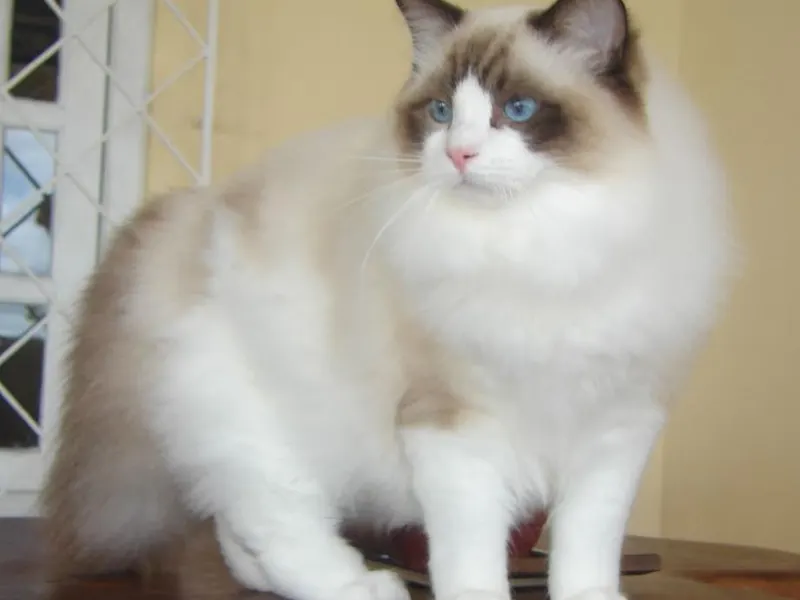
The Ragamuffin is a large, heavy cat with a rectangular body, broad chest and a soft fatty pad on the lower belly. Adults weigh 10 to 20 lb and may take up to four years to mature fully. Males are generally larger and heavier, often at the top of the range, while females are noticeably smaller but still substantial.
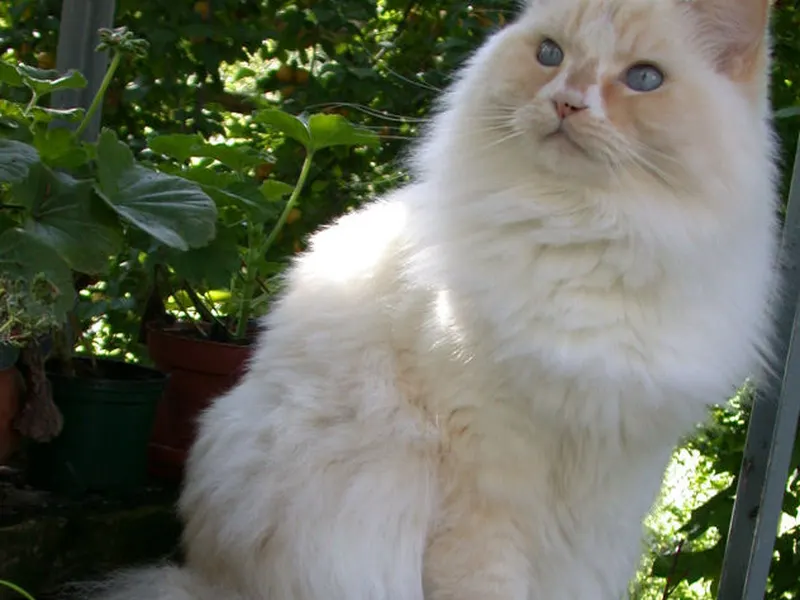
The head is a broad, modified wedge with rounded contours, full cheeks and a sweet expression. Eyes are large and walnut-shaped, and they may be any color, including blue, green, gold, aqua or odd-eyed.
The coat is medium to long, soft and plush, often compared to rabbit fur. It is longest around the neck and on the britches. Ragamuffins come in almost every color and pattern:
- Solids, tabbies and tortoiseshells
- Bicolors and mitted patterns, with or without white
- Pointed colors, accepted by some registries but not others
Personality and Temperament
Ragamuffins are known for being placid, trusting and deeply affectionate. Many go limp when picked up, enjoy being carried and choose to spend evenings on a lap.
They tend to follow their people around and greet visitors without fear. Their voice is quiet. They usually tolerate gentle handling by children and live peacefully with dogs and other cats. Because they are so trusting, they are best kept indoors or in a secure outdoor enclosure.
Ragamuffins mature slowly and keep a gentle, kittenish streak for years. They tend to adapt well to change, such as moving house or a new baby, as long as they still get attention. Being left alone for very long days does not suit them, and a second calm cat can help.
Can Ragamuffins Live with Dogs?
Yes, Ragamuffins usually live well with cat-friendly dogs, thanks to their calm, trusting nature.
They tend to accept new companions readily and rarely react defensively. A dog that is gentle and respectful of cats is the best match, as a Ragamuffin may not escape quickly from an overly boisterous dog. Introduce them gradually, keep early meetings supervised and give the cat high perches or safe rooms. Many Ragamuffins form close bonds with family dogs and even sleep alongside them.
A Ragamuffin's large size helps here, since it is less likely to be knocked around by a medium or large dog.
Can Ragamuffins Be Left Alone?
Ragamuffins can handle a normal workday alone, but they do not thrive with long, regular absences.
They are very people-oriented and often follow their owners around the house. Left alone too often, some become bored or lonely. Provide interactive toys, window perches and a predictable routine. A second calm cat often helps. For trips longer than a day, a pet sitter who spends time with the cat is better than occasional visits. Ragamuffins tend to cope well with change as long as they still receive attention.
Are Ragamuffins Good for First-Time Owners?
Yes, Ragamuffins are an excellent choice for first-time cat owners.
They are calm, affectionate and easygoing, adapt well to different households and are usually gentle with children and other pets. Their coat needs brushing only twice a week, and they rarely show destructive behavior. First-time owners should plan for weight control, since the breed is food-motivated and relaxed, and choose a breeder who screens for HCM and PKD. They should also be ready to keep the cat indoors or in a secure enclosure, given its trusting nature.
Activity, Play and Enrichment
Ragamuffins are moderately playful and happy with short daily play sessions.
- Wand toys, soft toys and gentle chase games suit them.
- Many enjoy fetch or learning simple tricks with treats.
- Provide sturdy, low perches and window seats rather than tall, wobbly towers.
They can gain weight easily because they are relaxed and food-motivated. Measure meals and use play to keep them in shape.
Grooming and Shedding
The medium to long coat feels soft and plush, often compared to rabbit fur. It is less prone to matting than a Persian's, but it still needs attention.
- Brush or comb twice a week, focusing on the ruff, armpits and britches.
- Increase brushing during spring and fall shedding.
- Check that long fur around the rear stays clean.
Shedding is moderate, so the breed is not recommended for allergy sufferers.
Weekly nail trims and a regular check of the ears are part of the routine. Because of their size, use a large, low-entry litter box and scoop it daily, since long fur can trap litter.
Feeding and Nutrition
Ragamuffins are large, relaxed and food-motivated, which makes weight gain one of their biggest health risks. Measure meals rather than free feeding, and use play to keep them active. Feel for the ribs under the plush coat rather than judging by appearance.
The breed matures slowly, often until around four years old. Kittens and young cats need a complete growth food until your vet advises switching, but avoid overfeeding in the hope of reaching a large size faster.
- Feed two to three measured meals a day for adults.
- Encourage water intake with wet food or fountains, which supports kidney and urinary health.
- Food puzzles slow eating and add mental activity.
- Heart and kidney screening in the parents is important; ask your vet about dietary support if issues develop.
Treats should be small and counted in the daily ration.
| Adult weight | Indoor, less active | Typical adult | Active or intact |
|---|---|---|---|
| 10 lb | 220 kcal | 260 kcal | 300 kcal |
| 15 lb | 290 kcal | 350 kcal | 410 kcal |
| 20 lb | 370 kcal | 440 kcal | 510 kcal |
Estimates use the resting energy formula veterinarians work with (70 × body weight in kg0.75) and standard activity factors. Use the feeding guide on your food as a starting point and adjust to body condition. Kittens, seniors, pregnant animals and pets that need to lose weight have different needs, so ask your vet.
Health and Lifespan
Ragamuffins often live 12 to 16 years. Conditions to discuss with breeders include:
- Hypertrophic cardiomyopathy (HCM): the most common heart disease in cats, seen in related breeds. Regular echocardiograms of breeding cats are advisable.
- Polycystic kidney disease (PKD): possible through Persian ancestry; a DNA test exists.
- Obesity, which raises the risk of diabetes and joint problems.
Ask for heart screening and PKD results for both parents, and keep your cat lean.
Ragamuffin Price and Cost of Ownership
Typical breeder price in the US$1,000 to $2,500
A Ragamuffin kitten from a reputable US breeder typically costs about $1,000 to $2,500. Prices vary by breeder, region, color and lines. Good breeders screen parents for HCM and PKD and can show results.
Ragamuffins occasionally appear in rescues, often listed alongside Ragdolls or longhaired cats.
Breed-specific ongoing costs include:
- Heart screening if your vet recommends it.
- Pet insurance for HCM, kidney disease and dental care.
- Large, sturdy cat trees, carriers and litter boxes.
- Grooming tools for the semi-long coat.
Food costs are slightly higher than average for a cat that can weigh up to 20 lb.
Some breeders charge more for rare colors or for kittens with breeding rights.
Is the Ragamuffin Right for You?
Ragamuffins are excellent for families with children, multi-pet homes and first-time owners who want a gentle, cuddly cat. They adapt well to apartments and indoor life.
They are not the right choice if you want a highly active cat or have allergies. Budget for a large litter box, sturdy furniture and regular brushing.
Because of their trusting nature, Ragamuffins are poorly equipped to deal with traffic or aggressive animals outdoors. An indoor life with a window perch, or a secure catio, keeps them safe while still offering fresh air.
Ragamuffin Traits at a Glance
Ragamuffin FAQ
What is the difference between a Ragamuffin and a Ragdoll?
They share early ancestry, but Ragdolls are pointed or mitted with blue eyes, while Ragamuffins come in almost any color and pattern and can have various eye colors.
How big do Ragamuffin cats get?
Adults usually weigh 10 to 20 lb (about 4.5 to 9 kg), and can take up to four years to mature fully.
Do Ragamuffin cats shed a lot?
Shedding is moderate, with heavier seasonal sheds. Brushing twice a week keeps it manageable.
Are Ragamuffins good with kids?
Yes. They are known for being patient and tolerant, which makes them a popular family cat.
How long do Ragamuffin cats live?
Typically 12 to 16 years. Heart and kidney screening in the parents is recommended.
How much does a Ragamuffin kitten cost?
Pet-quality kittens typically cost around $1,000 to $2,500 in the US, depending on breeder and region.