Best Cat Breeds for First-Time OwnersAdaptable, easygoing cats for beginners
A breed makes this list when it is adaptable, emotionally steady, generally healthy and not overly demanding in grooming or attention. It is for people choosing their first cat who want a smooth start, plus a realistic idea of what daily care involves.
Top 10 Cat Breeds for First-Time Owners
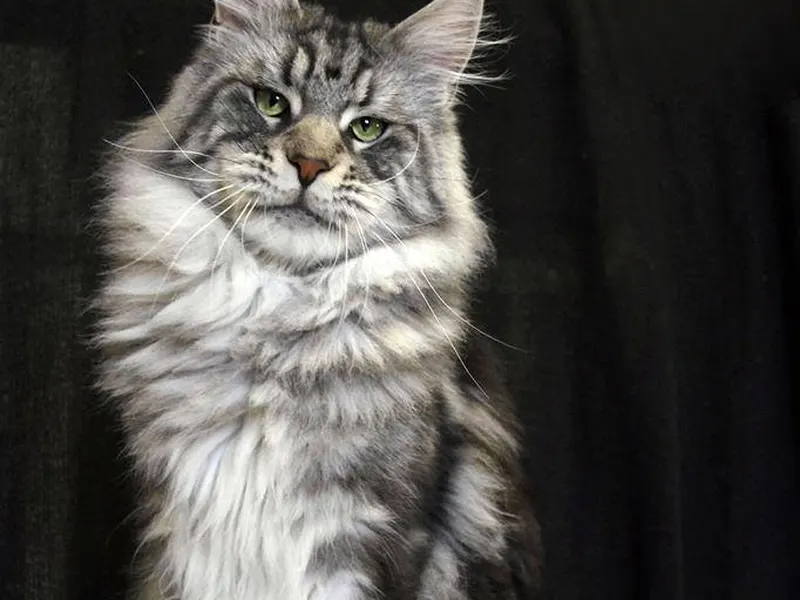
Friendly, tolerant and forgiving of beginner mistakes, though its long coat needs brushing a few times a week.
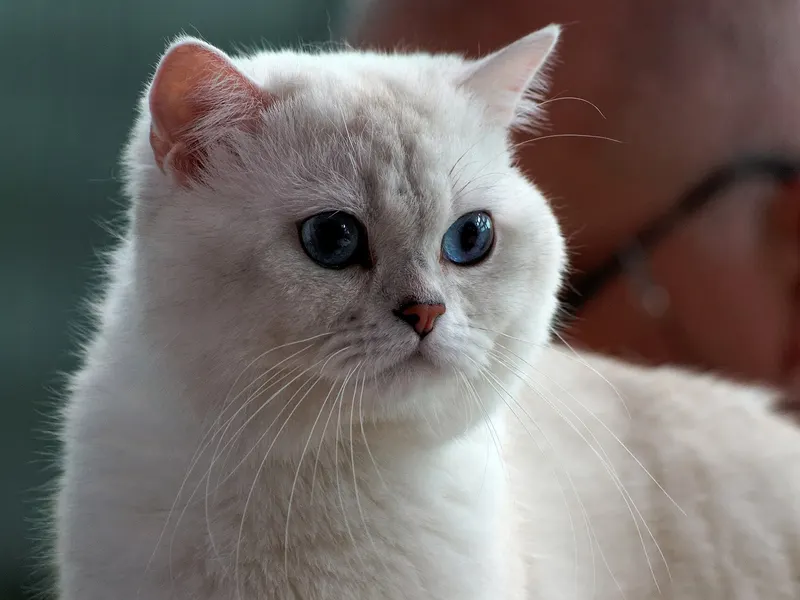
Calm, independent and content to relax nearby, with a plush coat that needs only weekly brushing.
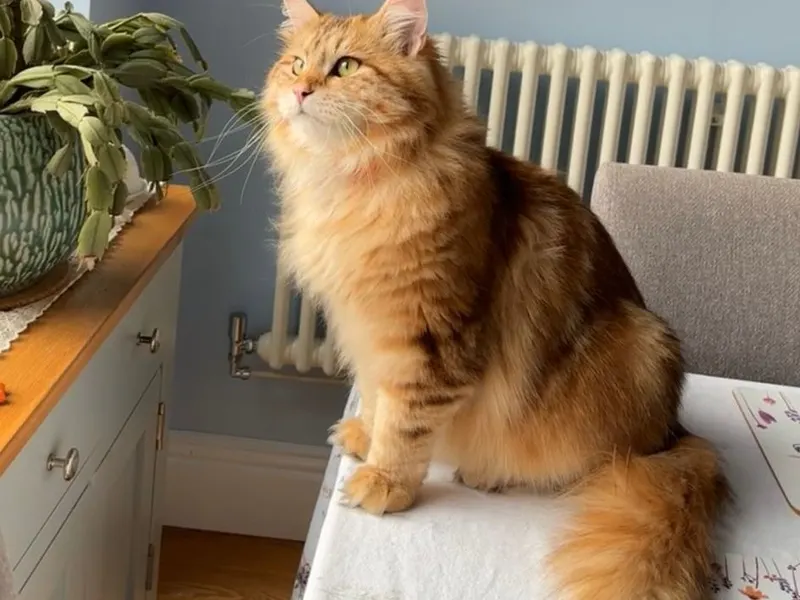
Sociable, robust and adaptable, a confident cat that settles into new homes well.
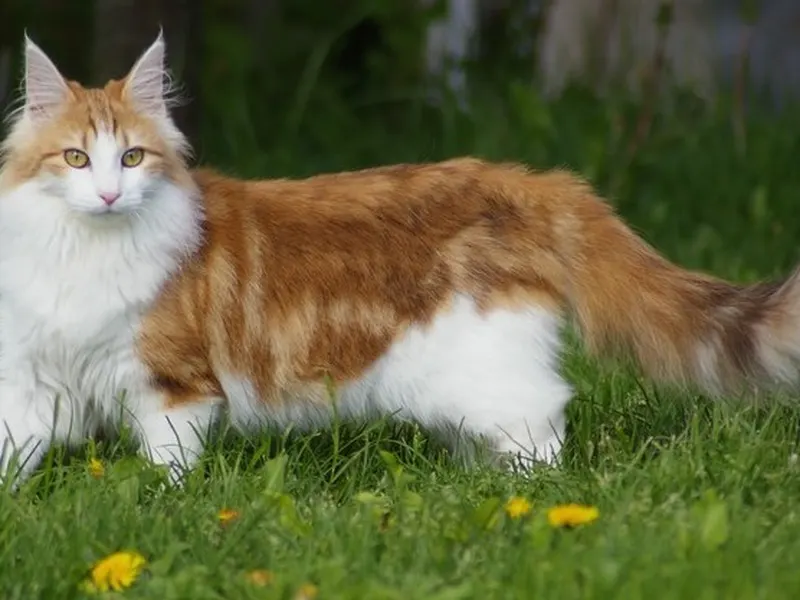
Even-tempered and independent enough to cope with a workday alone, given enough climbing space.
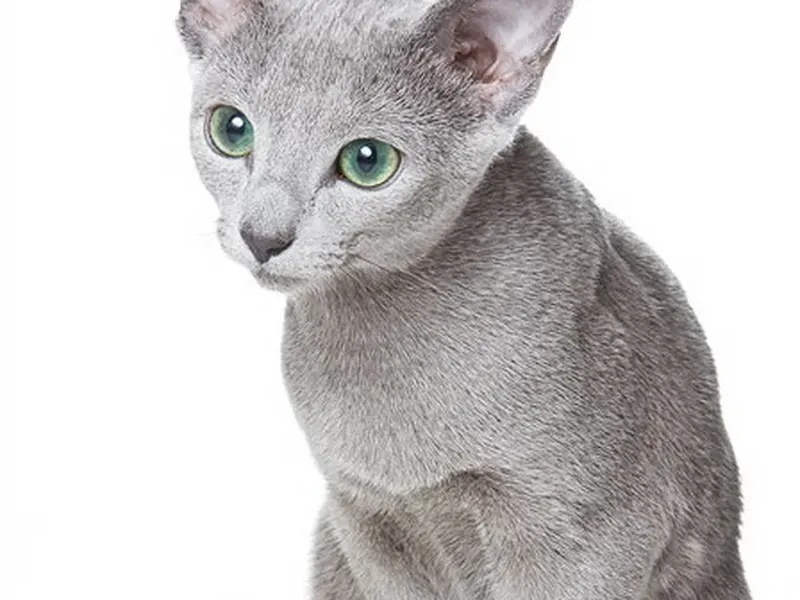
Gentle, routine-loving and tidy, with a short coat that is easy to maintain.
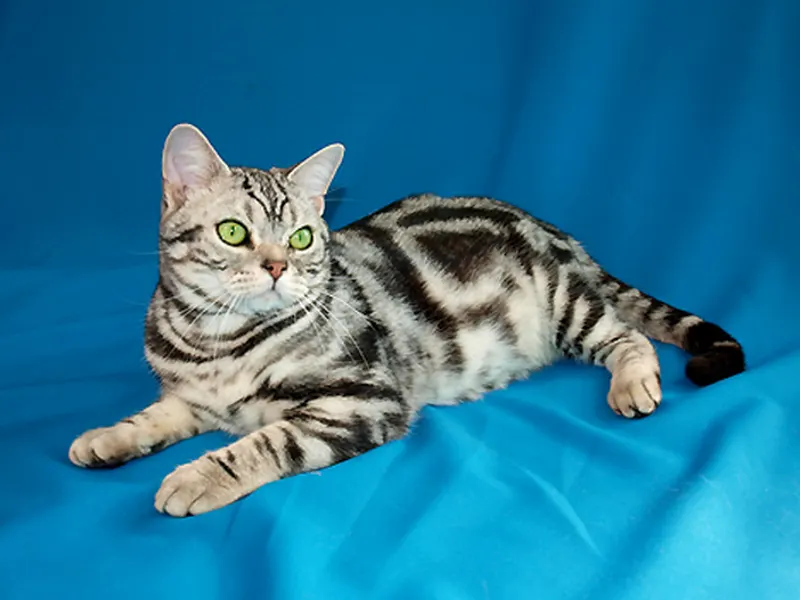
Hardy, adaptable and moderate in everything, from energy level to need for attention.
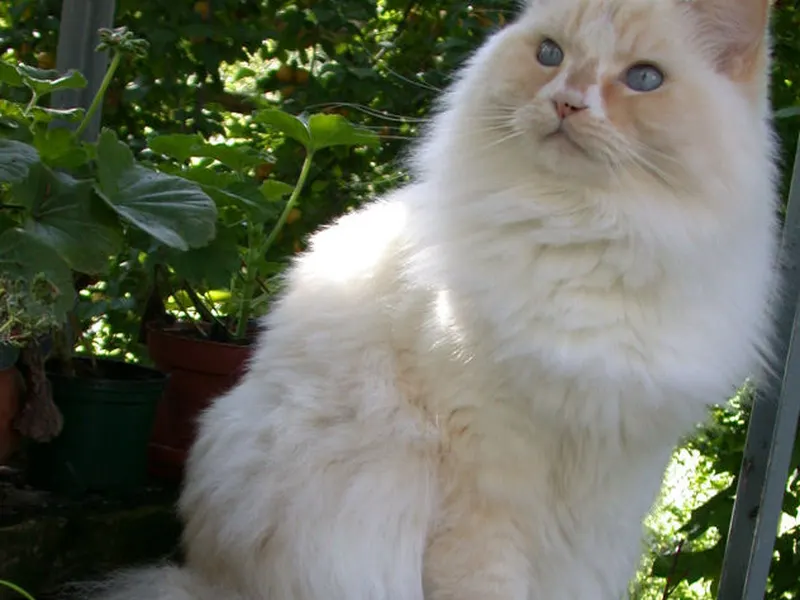
A laid-back cuddler that rarely makes demands beyond company and regular brushing.
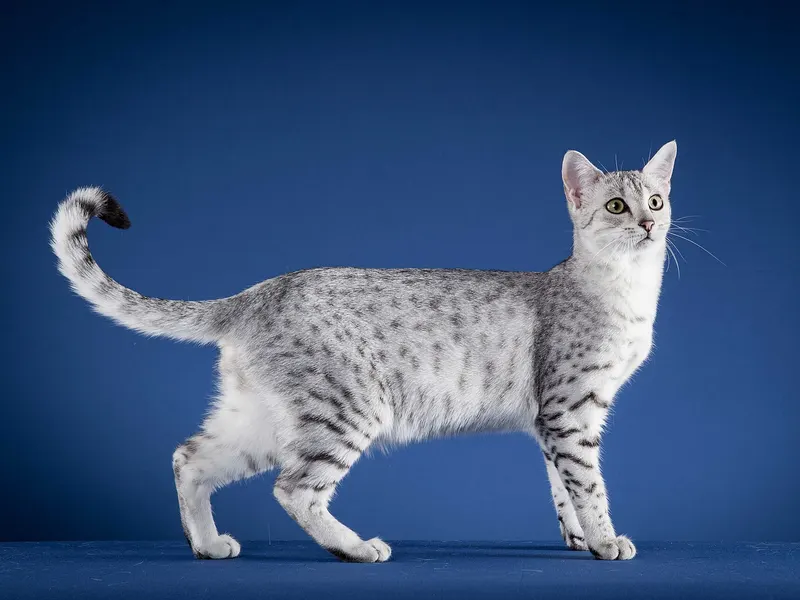
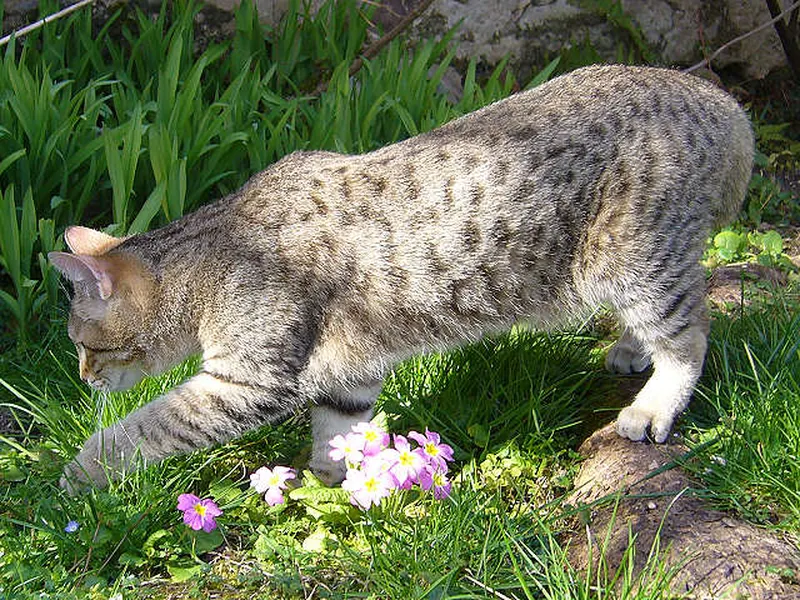
Active and loyal with an easy short coat, though Maus can be reserved with strangers at first.
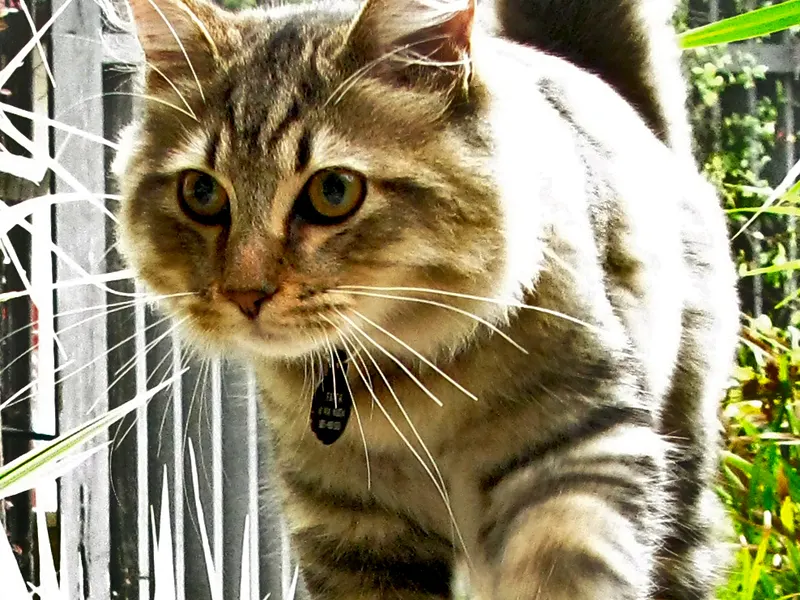
Adaptable and playful without being hyper, and known for adjusting well to change.
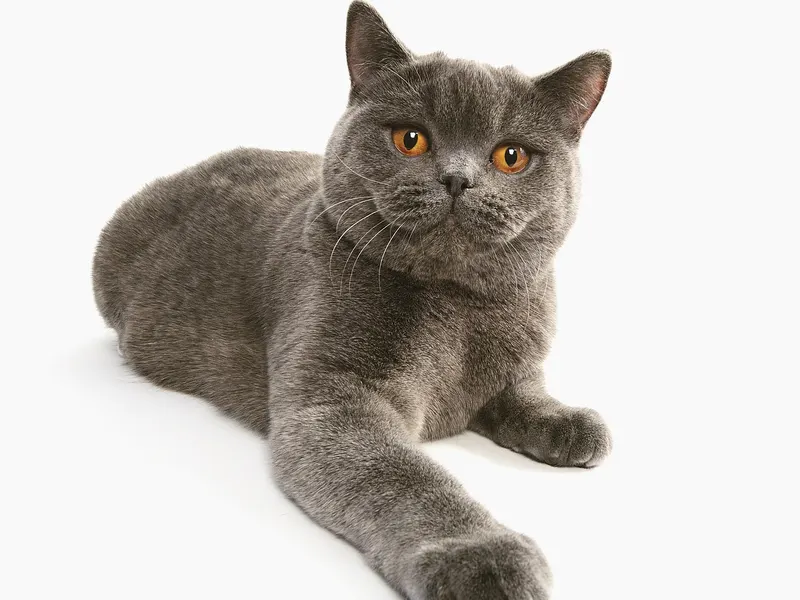
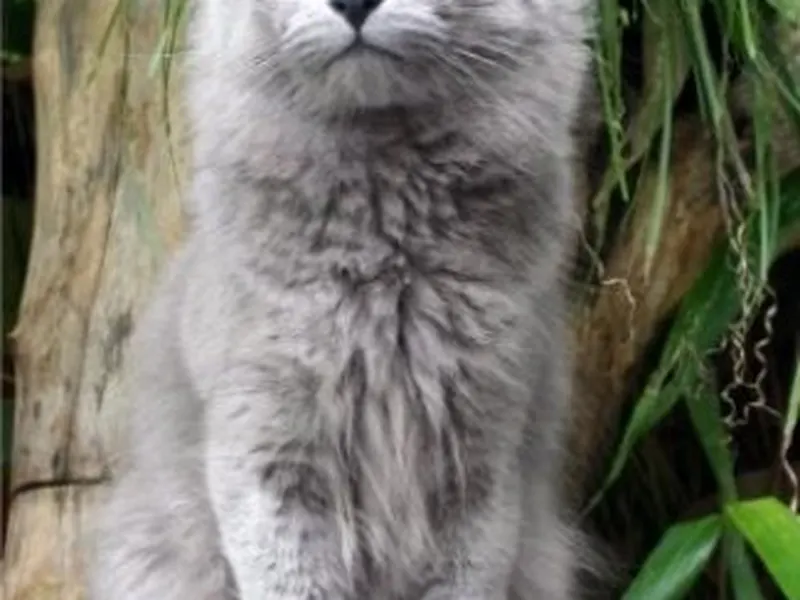
Shares the British Shorthair's easy temperament, though its longer coat needs more brushing.
All Beginner-Friendly Cat Breeds A to Z
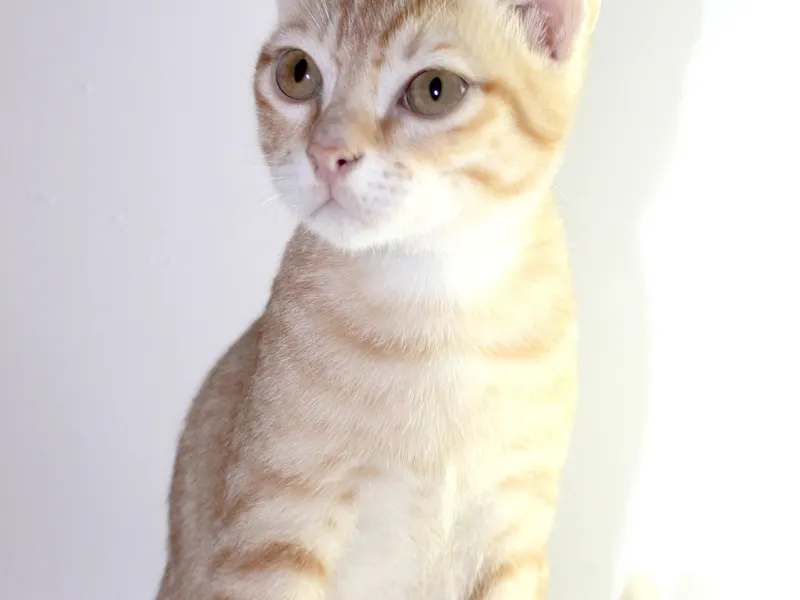
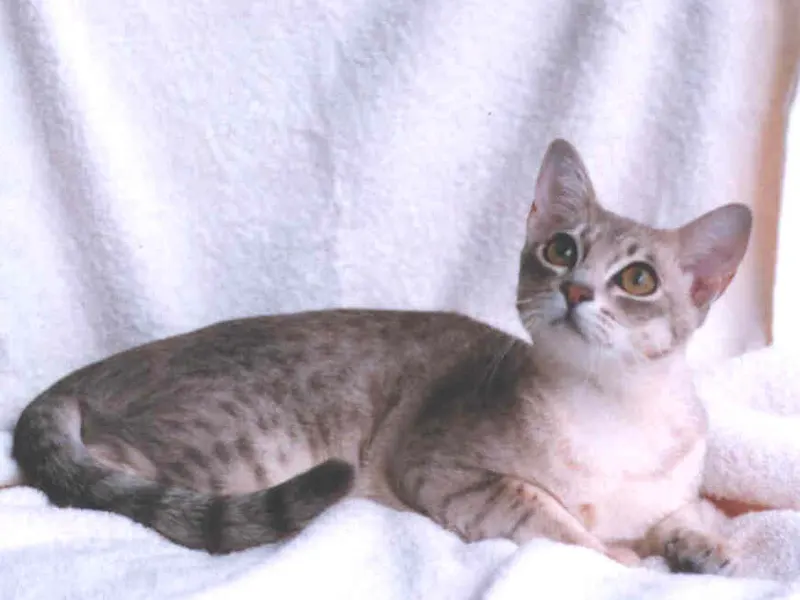
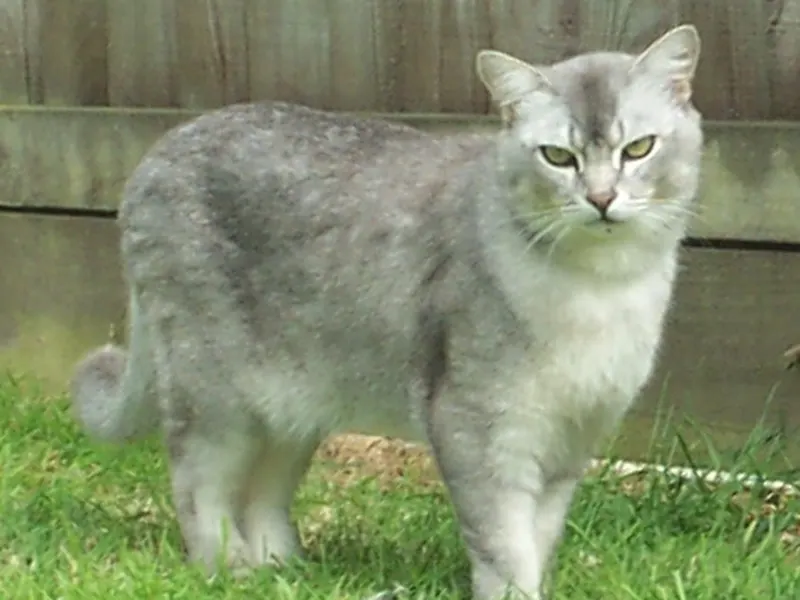
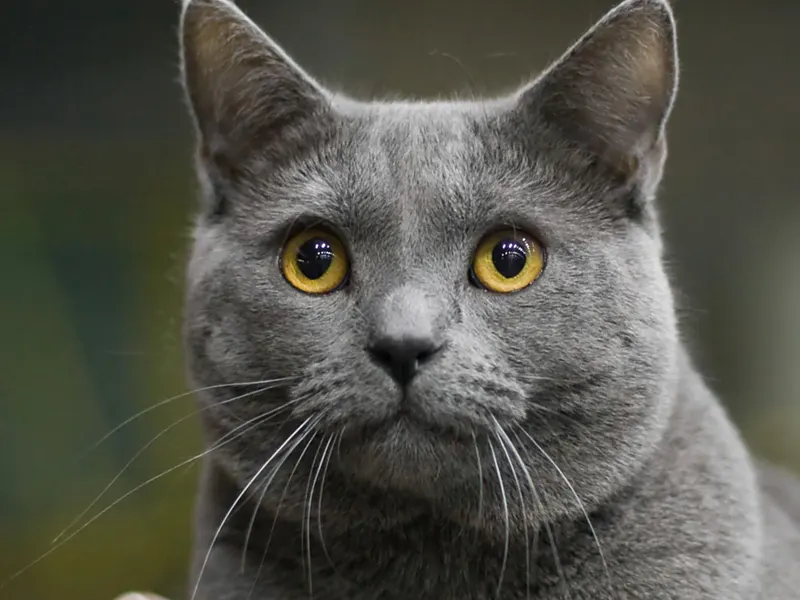
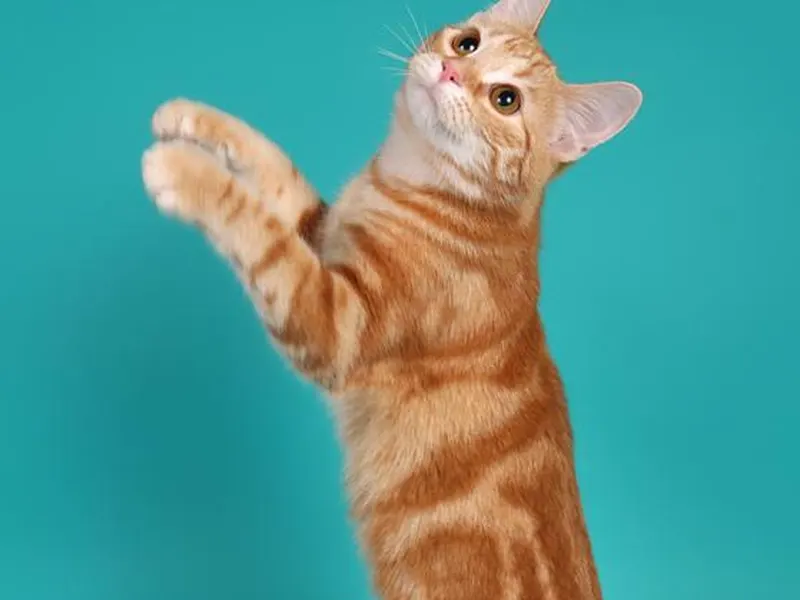
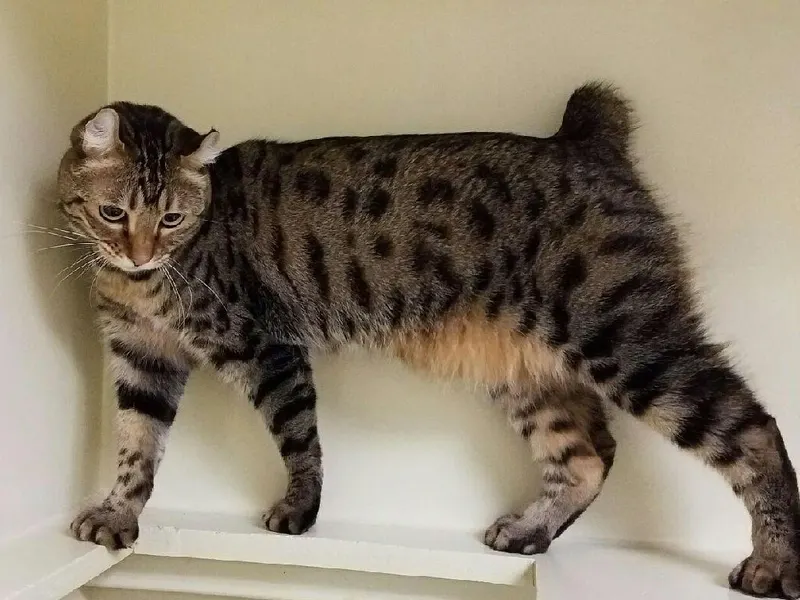
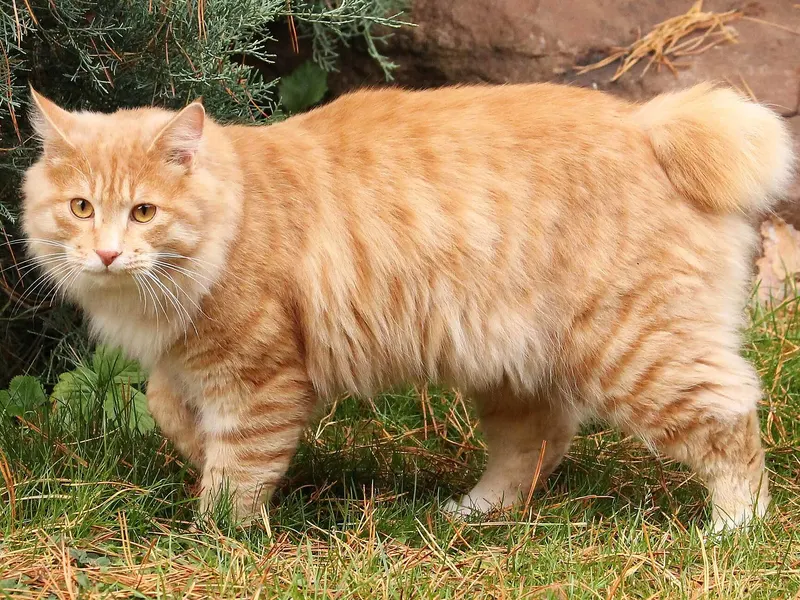
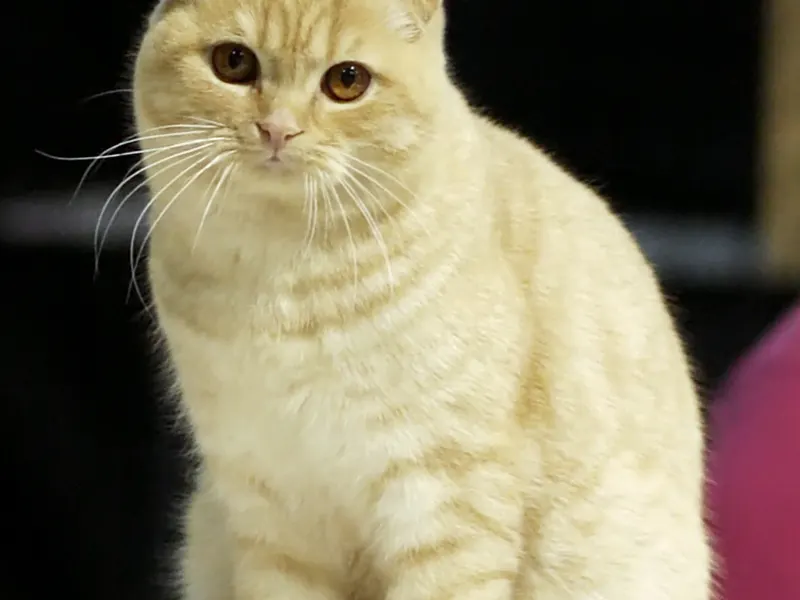
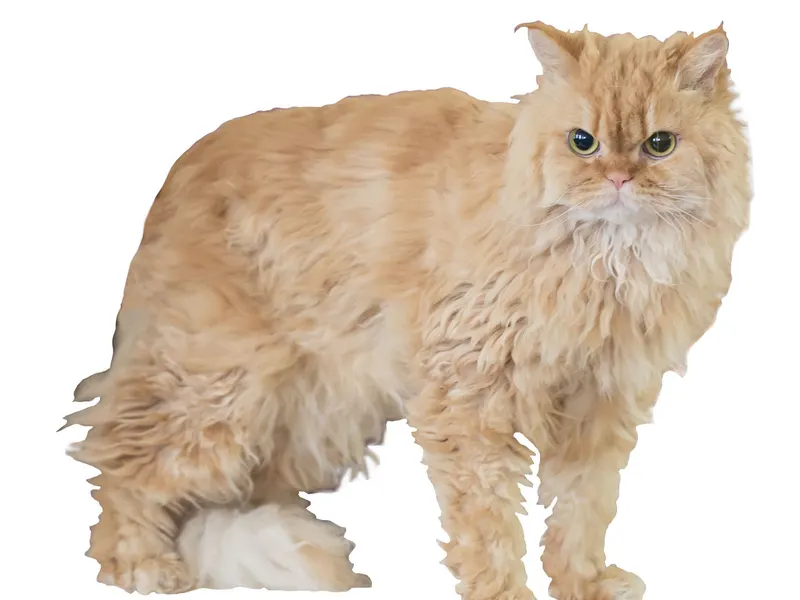
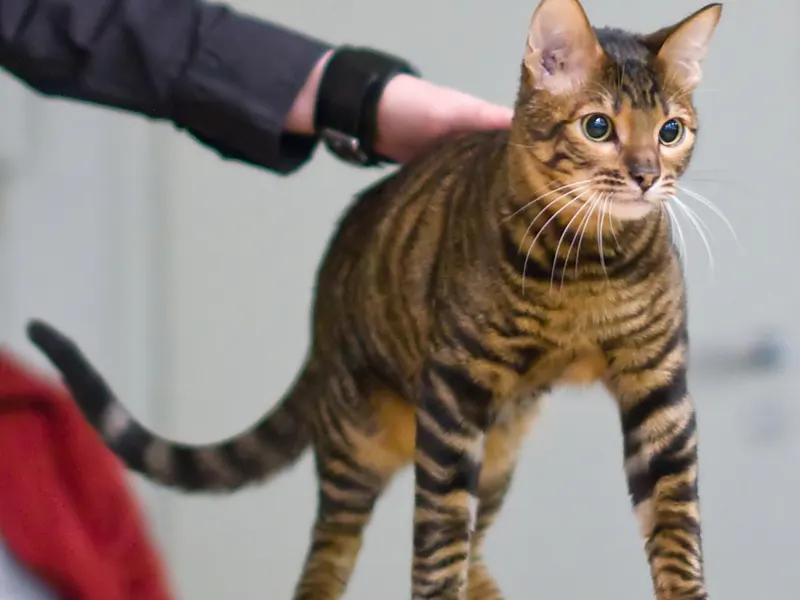
What Makes a Cat Breed Good for Beginners?
- Steady temperament: not easily stressed by moves, visitors or a new routine.
- Moderate energy: playful but content without hours of daily activity.
- Manageable grooming: a short or easy-care coat, or a long coat that rarely mats.
- Reasonable independence: copes with a normal workday alone.
- Good general health: no extreme physical traits.
The British Shorthair, American Shorthair and Russian Blue are classic examples.
Breeds to Approach With Care as a Beginner
Some popular breeds are wonderful but demanding. High-energy cats such as the Bengal and Savannah need daily play and climbing space, and some hybrid generations face legal restrictions. Flat-faced Persians need daily grooming and can have breathing and eye problems. Hairless breeds need baths and protection from cold and sun. None of these are impossible for a first-timer, but they need more research.
Shelters can help here too: ask staff which cats are relaxed with handling and visitors.
Setting Up for Your First Cat
- One litter box per cat plus one, in quiet spots.
- A scratching post tall and stable enough for a full stretch.
- A complete, balanced cat food and fresh water away from the litter box.
- A sturdy carrier and a vet appointment booked within the first week.
- A quiet room where the cat can settle in for the first few days.
Set aside money for unexpected vet bills, either with pet insurance or a dedicated savings fund.
Common First-Timer Mistakes
Many new owners free-feed and end up with an overweight cat, so measure portions instead. Others punish scratching instead of offering better places to scratch. Skipping routine vet care, vaccines and spaying or neutering causes problems later. Finally, give the cat time: many cats hide for several days in a new home before they relax.
Adopting an adult cat from a shelter is an excellent first-time option. Staff can match you with a cat whose personality is already known, and many shelter cats are sturdy mixed breeds.
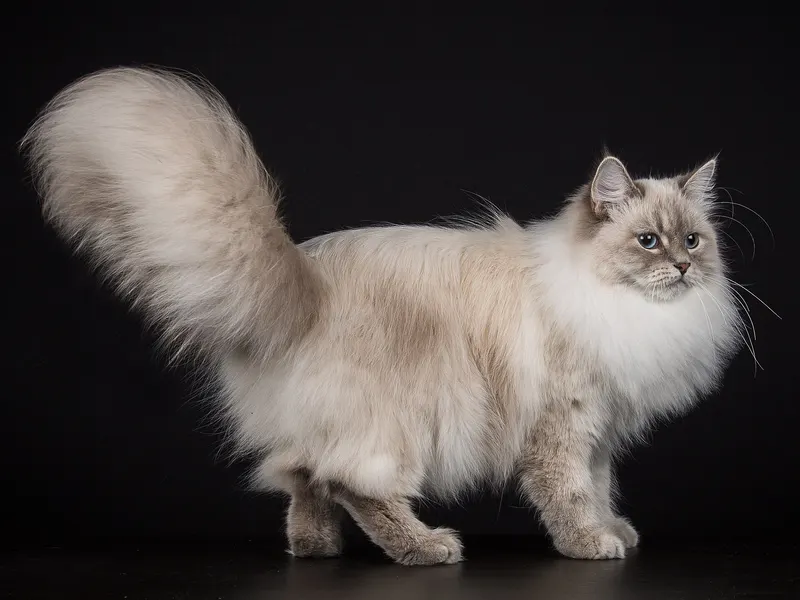
Expect some adjustment in the first weeks: changes in appetite, hiding or night-time activity are normal. Keep routines predictable, offer two play sessions a day and let the cat approach you. Most cats settle within a few weeks, and confident breeds such as the Siberian often settle within days.
Health Notes
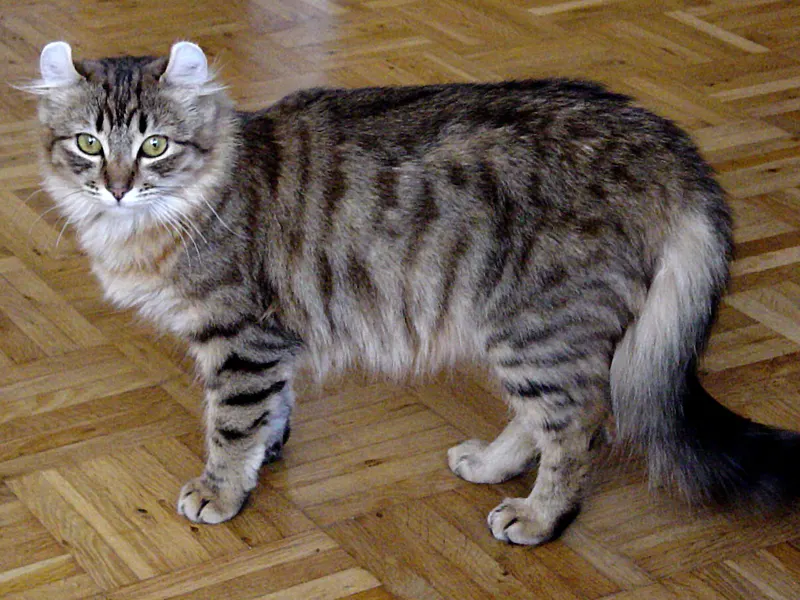
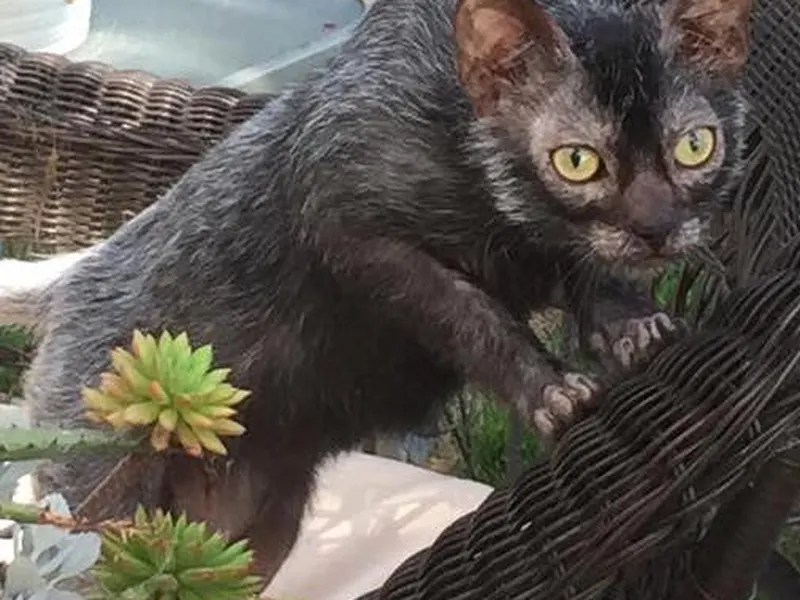
Even easygoing breeds have known risks. Maine Coons and Ragamuffins can be affected by hypertrophic cardiomyopathy, and large breeds may develop hip problems. The Scottish Straight is the straight-eared form of the Scottish Fold and does not have the folded ears linked to cartilage problems. The American Curl has ear cartilage that curls backward and needs gentle handling. The Lykoi has a partly hairless coat that can need extra skin care. Ask any breeder for health testing results on the parents.
Frequently Asked Questions
What is the easiest cat breed for a first-time owner?
The British Shorthair, American Shorthair and Russian Blue are often recommended for their calm temperaments and easy coats. A well-matched adult shelter cat is equally good.
Is a kitten or adult cat easier for beginners?
Adult cats are usually easier: their personality is known and they are past the destructive kitten stage. Kittens need more time, training and supervision.
Should a first-time owner get two cats?
Two cats can keep each other company, especially kittens or very social breeds. Littermates or cats that already live together are the easiest pair to adopt.
How much time does a cat need each day?
Plan on daily feeding, litter scooping and at least two short play sessions, plus grooming for long-haired breeds.
Are long-haired cats bad for beginners?
Not necessarily. Maine Coons and Siberians are beginner-friendly, but you must brush them regularly to prevent mats.
Not sure which cat breed fits you?
Answer 10 quick questions and get cat breeds ranked for your home, schedule and family.