Neva MasqueradeThe blue-eyed, colorpoint Siberian forest cat
<p>The Neva Masquerade is a large, powerful semi-longhair from Russia with a colorpoint pattern and blue eyes. It is essentially a colorpoint Siberian: playful, sociable and very family-friendly. It suits active households, including those with children and dogs, that are ready for regular grooming.</p>
Why people love the Neva Masquerade
- Playful, affectionate and very family-friendly
- Usually excellent with children and dogs
- Confident and calm in busy households
- Water-resistant coat mats less than expected
- Striking blue eyes and colorpoint pattern
Things to consider
- Heavy shedding in spring and fall molts
- Needs sturdy, tall cat trees and daily play
- Not recognized by CFA or TICA under this name
- HCM and PKD screening of parents needed
- Rare in the US, with limited breeders
Is this breed right for you?
10 questions · live resultHistory and Origin
The Siberian is a natural Russian breed that developed in a cold climate, giving it a dense, water-resistant triple coat and a sturdy build. Organized breeding of Siberians began in Russia in the late 1980s, and colorpoint cats appeared among them, especially in St. Petersburg. The name Neva Masquerade refers to the Neva River, which runs through the city, and to the masked face.
How the colorpoint gene entered the Siberian population is debated; some believe pointed cats were present in Russian street cat populations, others suspect crosses with other breeds. Registries treat the cats differently. FIFe recognizes the Neva Masquerade under its own name, while TICA and CFA include colorpoint cats within the Siberian breed.
Size, Coat and Point Colors
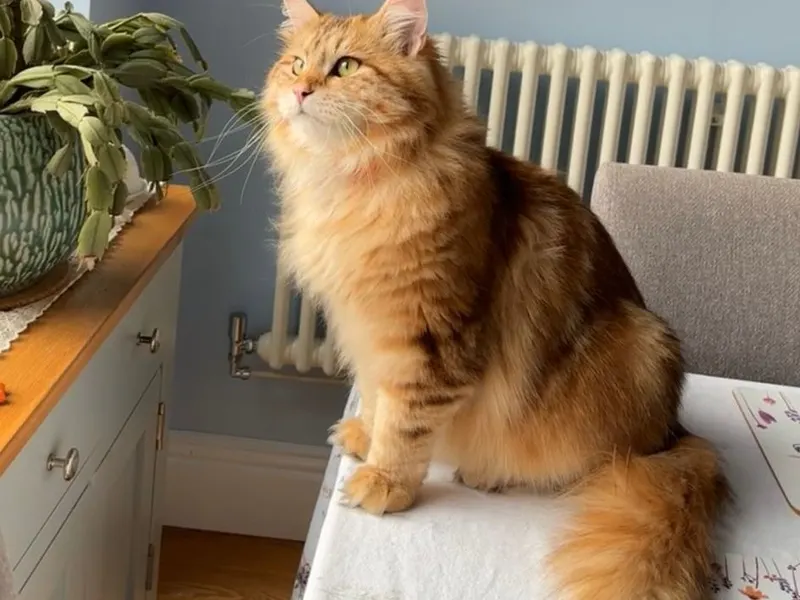
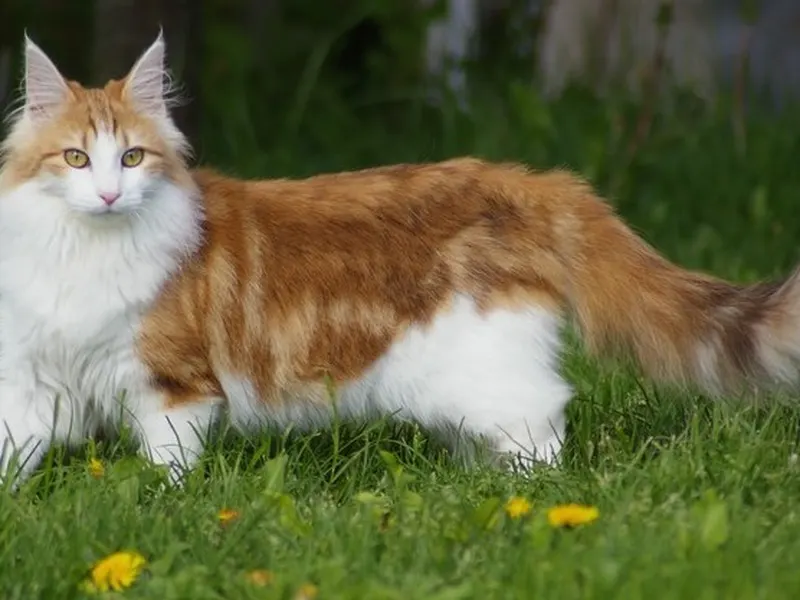
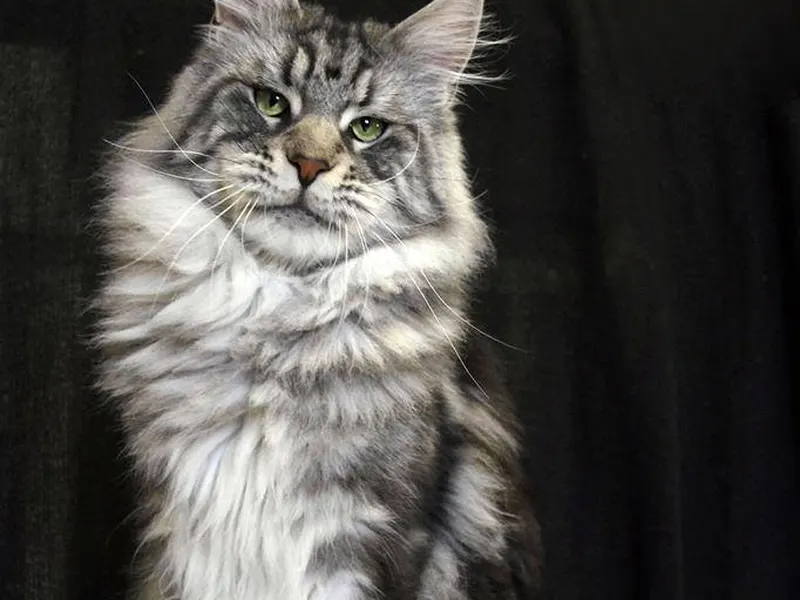
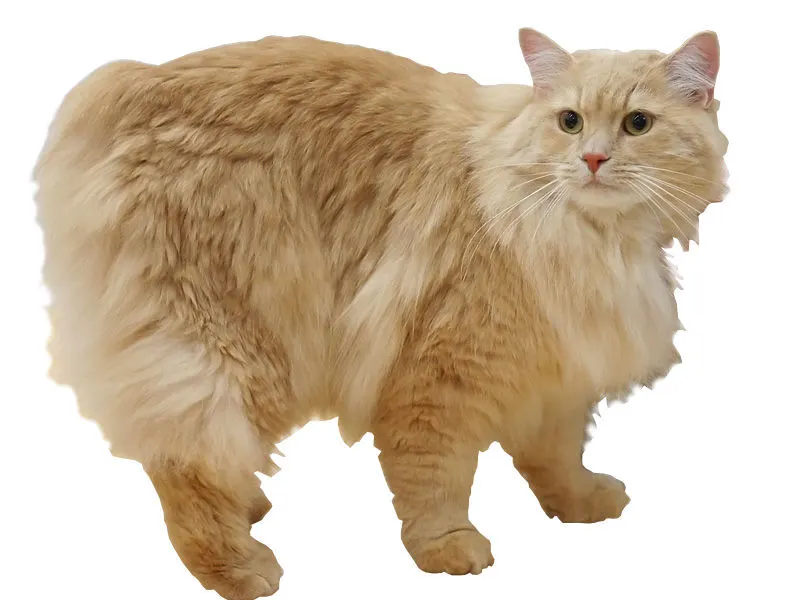
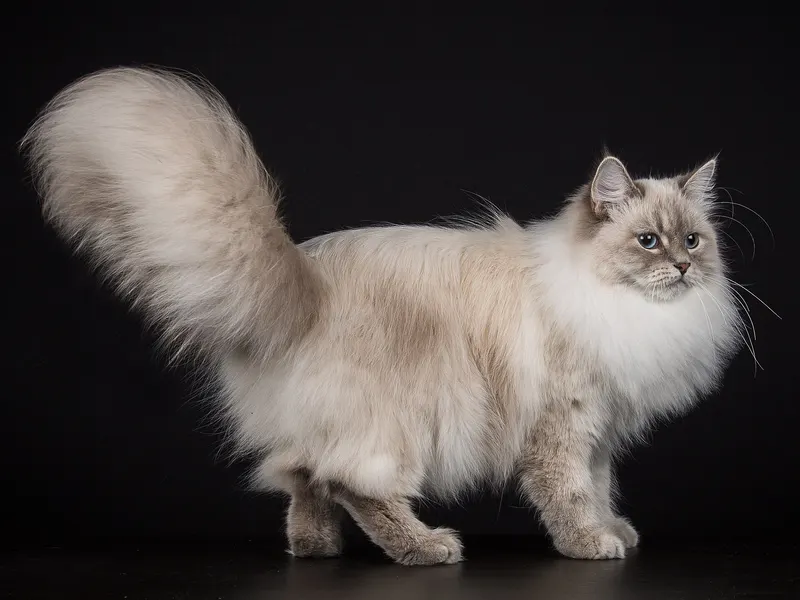
The Neva Masquerade is a large, powerful, heavy-boned cat with a rounded, barrel-shaped body, strong hind legs and large, round paws. The head is a broad, slightly rounded triangle with full cheeks and medium, rounded ears that may have tufts. The eyes are slightly oval and always blue. Adults weigh about 9 to 20 lb. Males are much larger and more muscular than females, and both sexes continue to mature until about five years old.
The triple coat is dense and semi-long, with a glossy, water-resistant topcoat, a thick undercoat, a heavy ruff, britches on the hind legs and a full tail. In summer, the coat is noticeably shorter.
The pattern is colorpoint: a pale body with darker face, ears, legs and tail. Point colors include seal, blue, red and cream, plus tortie and tabby (lynx) points, often with silver. White on the feet and chest appears in some patterns, and bicolor points are recognized by FIFe.
Personality and Temperament
Neva Masquerades are affectionate, confident and playful. They like being part of family life, greet people at the door and often follow their owners from room to room. Many are lap cats, but they are not usually clingy.
They are generally excellent with children and dogs, and they tend to stay calm in busy households. Many are fascinated by water. They are usually moderately quiet, using chirps and trills more than loud meows.
Are Neva Masquerade Cats Lap Cats?
Many Neva Masquerades enjoy lap time, but most are not clingy. They are affectionate and people-oriented, greet family at the door and like to be involved in whatever is happening, and many settle on a lap or beside you in the evening.
Young cats are usually too playful to stay still for long, and some adults prefer to lie next to you rather than on you, especially in warm weather with their thick coat. Their weight can also make a lap session feel substantial. Regular gentle handling from kittenhood and a calm, social home help build a cuddly adult.
Are Neva Masquerades Good for First-Time Cat Owners?
Yes, Neva Masquerades can be a good choice for first-time cat owners who are active and enjoy play. They are confident, sociable and adaptable, and they usually fit easily into family life with children or dogs.
Beginners should plan for their size and energy. They need sturdy, tall cat trees, daily interactive play and enough space to run and jump. The triple coat needs brushing two or three times a week and daily during spring and fall molts. Choose a breeder who screens for HCM and PKD, and be realistic about allergies, since no cat is hypoallergenic.
Should Neva Masquerade Cats Be Indoor Cats?
Neva Masquerades can live happily indoors if they get enough exercise and enrichment, and many owners prefer indoor life with a secure catio or harness walks for safety. Their confident, friendly nature does not protect them from traffic or theft.
This is an active, athletic breed bred for a cold climate, and it enjoys climbing and exploring. Indoors, provide tall, sturdy cat trees, window perches, interactive play and puzzle feeders. A catio offers fresh air and stimulation. If you allow supervised outdoor time, a harness and leash give a safe compromise. Keep the home cool in summer, as the thick coat can make heat uncomfortable.
Activity, Play and Enrichment
This is an active, agile breed that stays playful well into adulthood. Their powerful hind legs make them strong jumpers.
- Provide sturdy, tall cat trees that can take the weight of a large cat.
- Fetch and chase games are popular; many learn to retrieve.
- Puzzle feeders and training sessions use their intelligence.
- Secure outdoor time in a catio suits them, but they also adapt to indoor life with enough play.
They mature slowly and may not reach full size until about five years old.
Grooming and Shedding
The coat is a dense triple coat with a glossy, water-resistant topcoat, a thick ruff and a full tail. Despite its thickness, it mats less than you might expect. Brush two or three times a week with a slicker brush and metal comb, and daily during the heavy spring and fall molts, when the undercoat comes out in large amounts.
Points come in seal, blue, red, cream and tabby or tortie variants, often with silver or white. White on the feet and chest is allowed in some patterns. Eyes are blue.
Feeding and Nutrition
Neva Masquerades mature slowly, often reaching full size around five years old. Kittens should eat a complete kitten food until about 12 months, followed by an adult diet, with portions adjusted as the cat continues to grow. Avoid pushing weight for size, as a lean, muscular build is healthier.
This is an active, large breed, and food needs vary between individuals. Males in particular may eat considerably more than females. Check body condition by feel under the dense coat and adjust portions if the ribs become hard to find. Puzzle feeders and play before meals help keep weight in check.
Because HCM and PKD have been reported in Siberian lines, a healthy weight and good hydration are sensible. Encourage drinking with a fountain and consider including wet food. Diet does not prevent or cure inherited heart or kidney disease.
During spring and fall molts, cats swallow a lot of hair. Daily brushing reduces hairballs. Keep treats small and count them in the daily allowance.
| Adult weight | Indoor, less active | Typical adult | Active or intact |
|---|---|---|---|
| 9 lb | 200 kcal | 240 kcal | 280 kcal |
| 14 lb | 280 kcal | 340 kcal | 390 kcal |
| 20 lb | 370 kcal | 440 kcal | 510 kcal |
Estimates use the resting energy formula veterinarians work with (70 × body weight in kg0.75) and standard activity factors. Use the feeding guide on your food as a starting point and adjust to body condition. Kittens, seniors, pregnant animals and pets that need to lose weight have different needs, so ask your vet.
Health and Lifespan
Neva Masquerades are generally sturdy and commonly live about 12 to 18 years. Health points shared with the Siberian:
- Hypertrophic cardiomyopathy (HCM): reported in Siberians; responsible breeders screen breeding cats by echocardiogram.
- Polycystic kidney disease (PKD): has occurred in some lines; ask for test or ultrasound results.
- Pyruvate kinase (PK) deficiency: a DNA test exists and is used by some breeders.
Siberians, and so Neva Masquerades, are often marketed as better for allergy sufferers. The main cat allergen is the protein Fel d 1, produced in saliva and skin. Some breeders test their cats and report lower Fel d 1 levels in some individuals, but levels vary widely between cats, and no cat is hypoallergenic. Spend time with the specific kitten or its parents before committing.
Neva Masquerade Price and Cost of Ownership
Typical breeder price in the US$1,500 to $3,500
In the US, a colorpoint Siberian kitten, the equivalent of the Neva Masquerade, typically costs about $1,500 to $3,500 from a reputable breeder. Prices vary by breeder, region, color and lines, and kittens tested for lower Fel d 1 levels are often priced higher. The Neva Masquerade name is mainly used by FIFe breeders in Europe, so US breeders usually list these cats as colorpoint Siberians. Some buyers import from Europe. Adult Siberians occasionally appear in rescues.
Ongoing costs are moderate. The coat is manageable at home with a slicker brush and metal comb.
Breed-specific cost drivers include heart and kidney screening if recommended by your vet, large, sturdy cat trees and litter boxes for a big cat, and enrichment such as a catio. Pet insurance can help with HCM or PKD costs.
Is the Neva Masquerade Right for You?
A Neva Masquerade is a great fit for families, multi-pet homes and active owners who want a large, friendly cat. It is less suited to small, quiet apartments with little time for play or grooming, or to people with significant allergies who have not tested their reaction.
In the US, colorpoint Siberian kittens typically cost about $1,500 to $3,500, varying by breeder and region. Ask for HCM and PKD screening details.
Neva Masquerade Traits at a Glance
Neva Masquerade FAQ
Is a Neva Masquerade a Siberian?
Yes. It is the colorpoint form of the Siberian. FIFe lists it under its own name, while TICA and CFA include it in the Siberian breed.
Are Neva Masquerade cats hypoallergenic?
No cat is truly hypoallergenic. Some Siberian-type cats appear to produce less Fel d 1, but this varies between individuals, so test your reaction first.
How big do Neva Masquerade cats get?
Adults usually weigh 9 to 20 lb (about 4 to 9 kg), with males much larger. They can keep growing until around five years old.
Do Neva Masquerades shed a lot?
Yes, especially during the spring and fall molts. Brushing two or three times a week, daily in molting season, keeps it under control.
Are Neva Masquerades good with kids and dogs?
Very much so. They are confident, tolerant and playful, which makes them a good family choice.
How much does a Neva Masquerade cost?
In the US, roughly $1,500 to $3,500 for a pet kitten, depending on breeder and region.