Cat Breeds That Get Along With DogsConfident, sociable cats for multi-pet homes
Breeds on this list are known for confident, sociable and adaptable temperaments that make living with a dog more likely to go well. This page helps dog owners pick a cat with the right personality and plan a safe introduction.
Top 10 Cat Breeds for Homes With Dogs
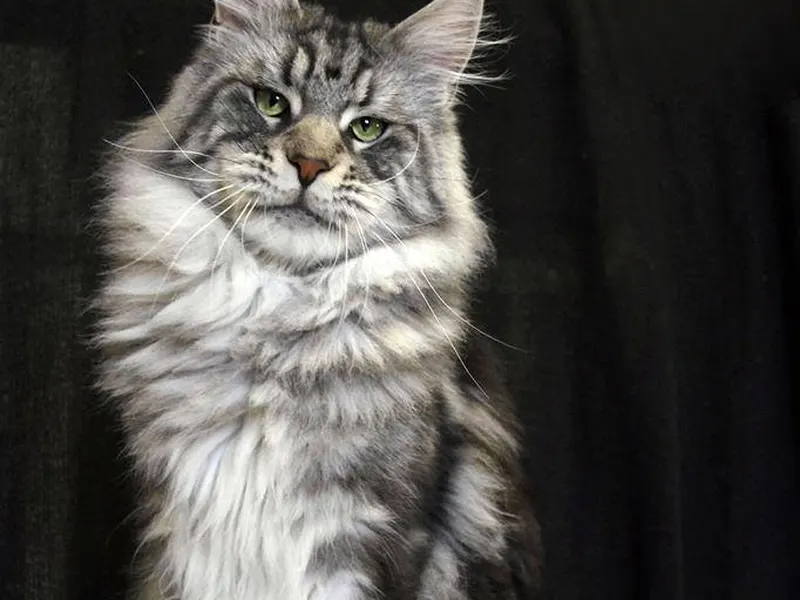
Large, confident and easygoing, the Maine Coon is big enough not to feel threatened and often befriends calm dogs.

Its relaxed, tolerant nature means it rarely panics, which helps when a curious dog comes to say hello.
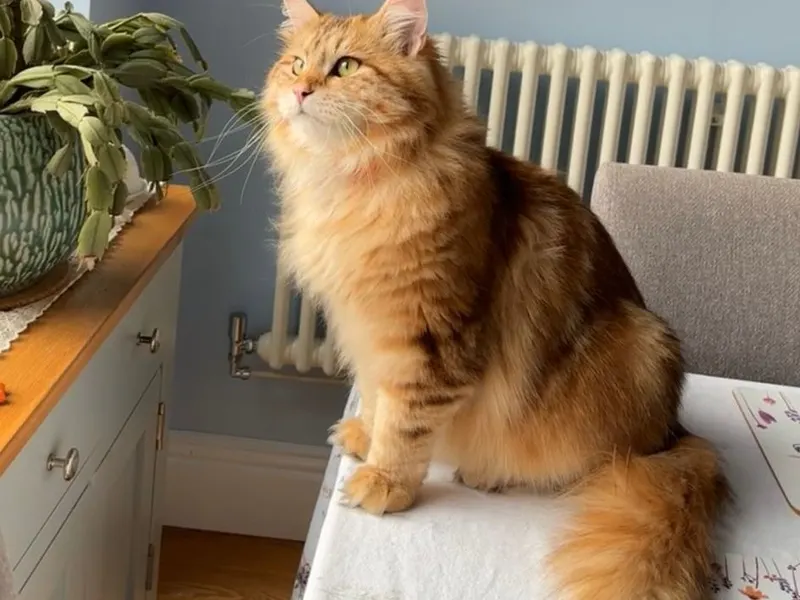
A sturdy, playful cat with a steady temperament that often enjoys active households with dogs.
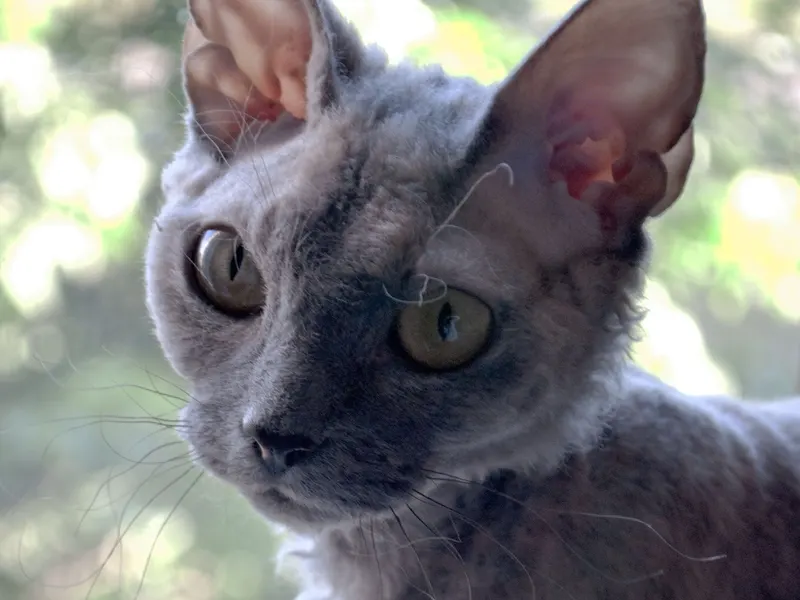
Bold, people-focused and playful, the Devon Rex tends to treat a friendly dog as another playmate.
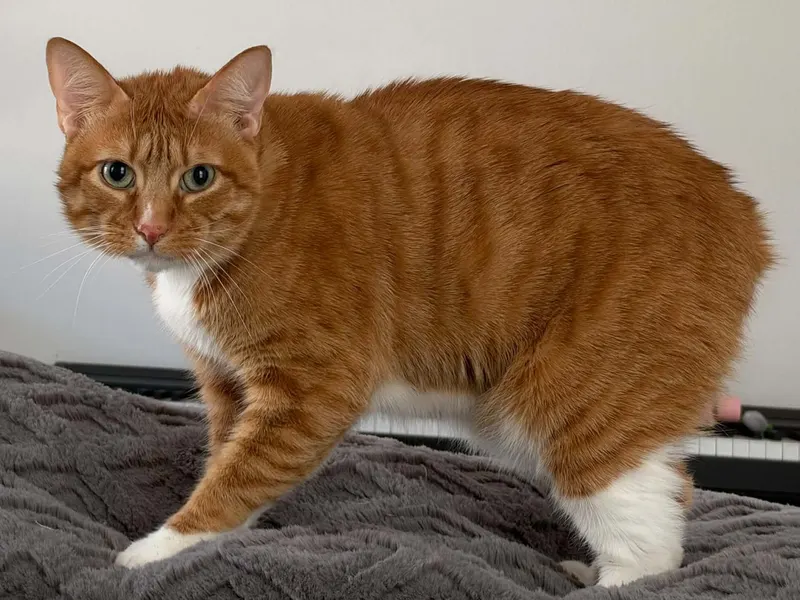
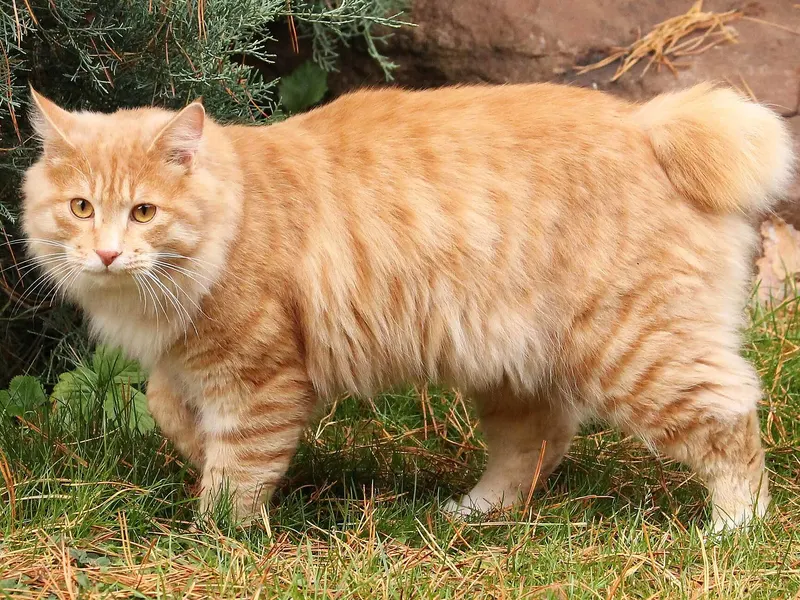
Often described as dog-like itself, the Manx is sociable, playful and adaptable to busy homes.

Gentle and patient, it shares the Ragdoll's calm nature and usually accepts other pets readily.
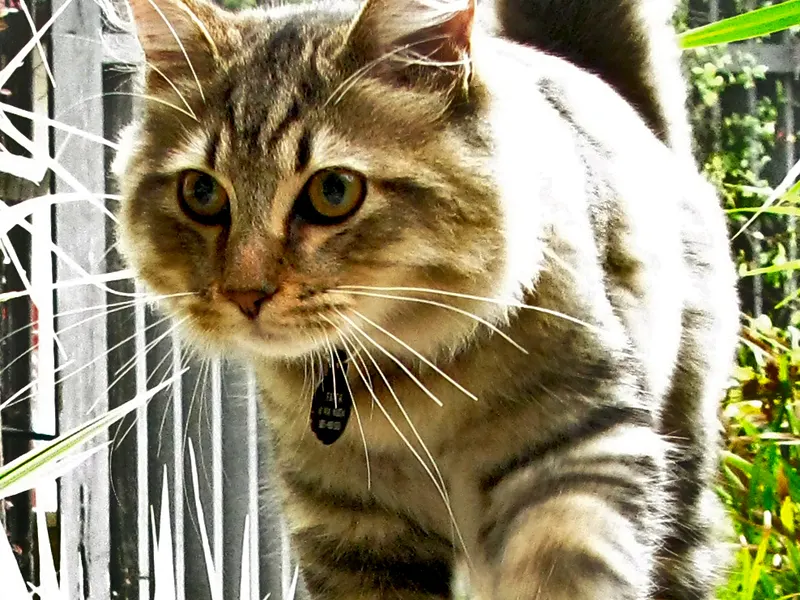
An adaptable, confident cat known for its easygoing attitude toward travel, visitors and other animals.
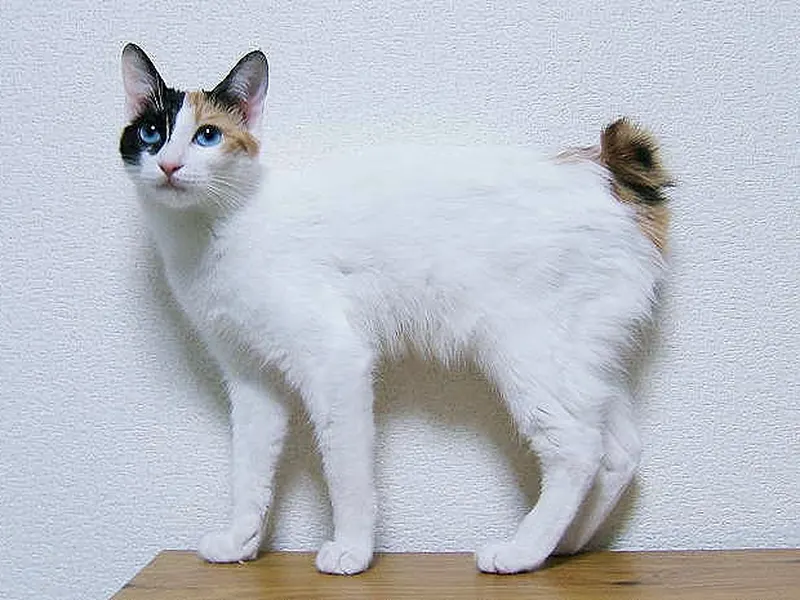
Lively, confident and social, it enjoys interactive play and usually holds its own with friendly dogs.
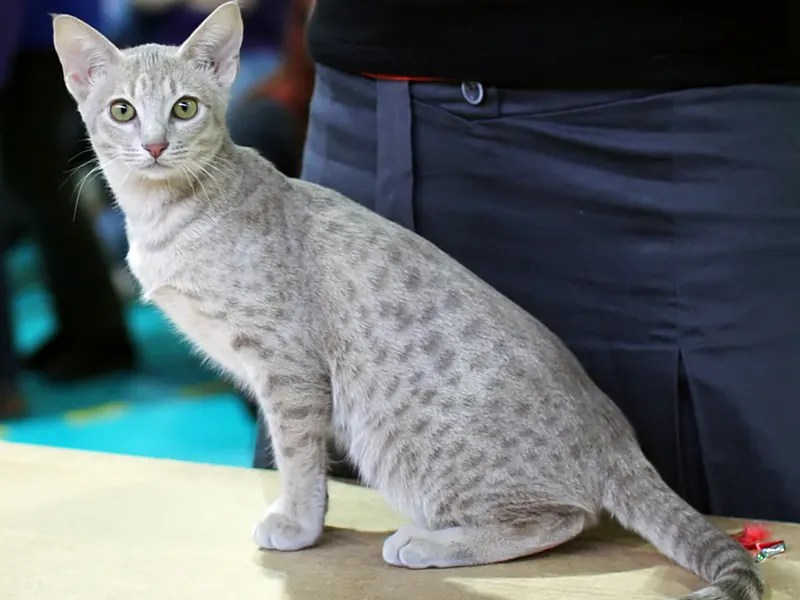
Outgoing and trainable, the Ocicat often learns to walk on a leash and fits in with active, dog-owning families.
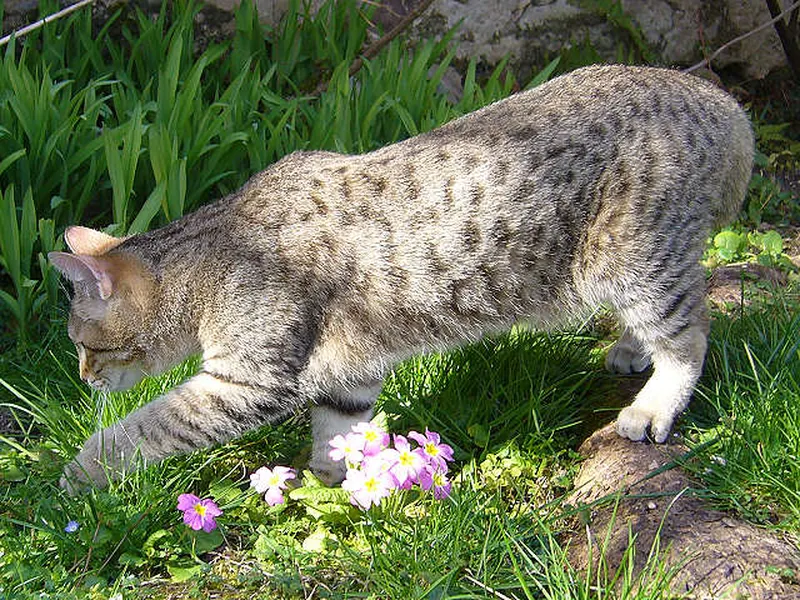
Sturdy, loyal and often described as dog-like, the Pixiebob tends to be relaxed around well-mannered dogs.
All Dog-Friendly Cat Breeds A to Z

What makes a cat dog-friendly
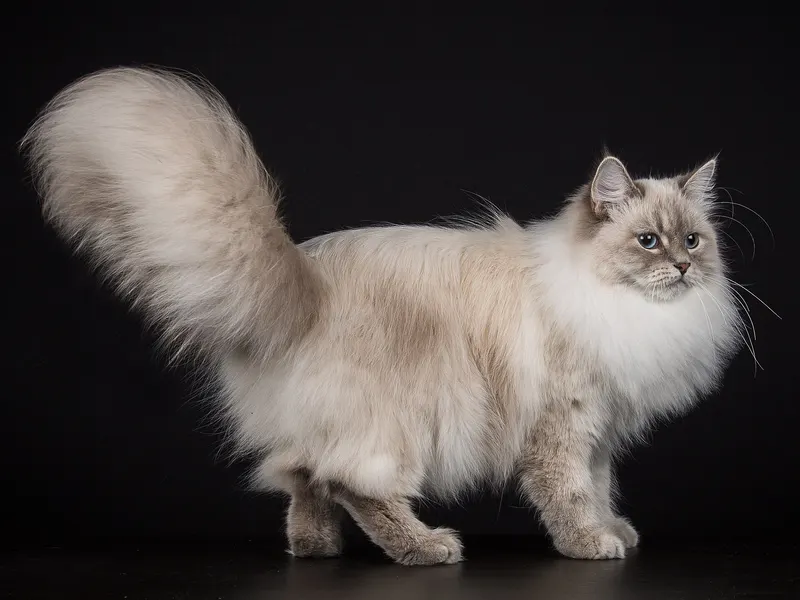
Cats that live well with dogs tend to share a few traits: confidence, curiosity, a tolerance for noise and handling, and a sociable nature. Larger, sturdy breeds such as the Maine Coon, Siberian and Pixiebob are less likely to feel threatened by a dog. Playful, people-oriented breeds such as the Devon Rex, Manx and Japanese Bobtail often see a dog as company rather than a danger.
Breed is only part of the story. The dog's temperament matters at least as much. A dog with a strong chase or prey drive, such as some terriers, sighthounds and hunting breeds, can be risky for any cat, however confident. A calm, well-trained dog that has lived with cats before is the best start.
How to choose a breed for a dog home
Match the cat's energy to the dog's. A playful Devon Rex, Japanese Bobtail or Ocicat can keep up with a lively but gentle dog, while a laid-back Ragdoll or Ragamuffin suits a calm older dog. With a large or boisterous dog, a big, sturdy cat such as the Maine Coon, Siberian, Neva Masquerade or Pixiebob is less likely to be knocked over or frightened.
Also consider how the cat handles change. Breeds known for adaptability, like the American Bobtail, Kurilian Bobtail and Australian Mist, often cope well with the noise, visitors and routines that come with a dog. Ask breeders whether their kittens have met dogs during socialization, since early positive experiences make a real difference.
How to introduce a cat and a dog
- Start with scent: keep them in separate rooms for the first days and swap bedding so each gets used to the other's smell.
- Use a barrier: let them see each other through a baby gate or cracked door before any direct contact.
- Keep the dog leashed: during the first face-to-face meetings, reward the dog for calm behavior and for looking away from the cat.
- Let the cat choose: never hold the cat in front of the dog. Let it approach or retreat as it likes.
- Go slowly: some pairs settle in days, others take weeks. Short, positive sessions work better than long ones.
Set up the home for both
Give the cat escape routes and dog-free zones: cat trees, shelves and a room behind a gate where the dog cannot follow. Keep litter boxes and cat food out of the dog's reach, since many dogs will eat both. Feed them separately to avoid tension.
Watch body language. A cat with flattened ears, a puffed tail or one that hides constantly is stressed. A dog that stares, stiffens or fixates on the cat needs more training before they share space unsupervised.
Kittens, adults and shelter cats
Kittens raised with dogs often accept them easily, but they are small and fragile, so supervision is essential. An adult cat that has already lived with dogs is often the safest choice. Many shelters and rescues test cats with dogs or know their history, which makes them a great place to find a dog-friendly cat, whether purebred or mixed-breed.
Frequently Asked Questions
What cat breed is best with dogs?
Confident, sociable breeds like the Maine Coon, Ragdoll, Siberian and Devon Rex are often good with dogs. An adult cat with a known history of living with dogs is the safest bet.
How long does it take a cat and dog to get along?
It can take anywhere from a few days to several weeks. Slow, gradual introductions with barriers and rewards give the best results.
Is it easier to bring a cat into a dog's home or the other way around?
Either can work. What matters most is the dog's prey drive, the cat's confidence and a slow introduction with plenty of escape routes for the cat.
Should a kitten or an adult cat live with a dog?
Kittens adapt quickly but are vulnerable. An adult cat already used to dogs is often the safer choice for homes with large or boisterous dogs.
Which dogs are best with cats?
Calm, well-trained dogs with low prey drive usually do best. Individual temperament and training matter more than breed.
Not sure which cat breed fits you?
Answer 10 quick questions and get cat breeds ranked for your home, schedule and family.