PixiebobBobcat look, domestic heart
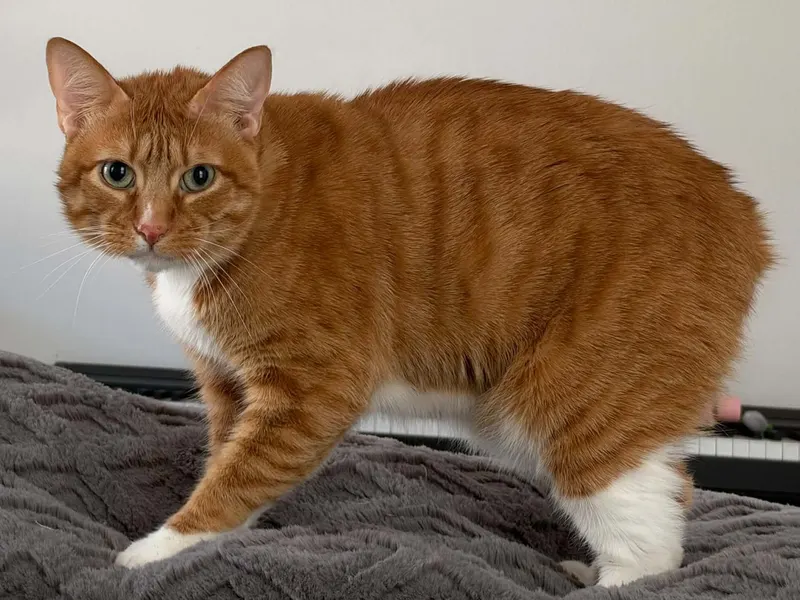
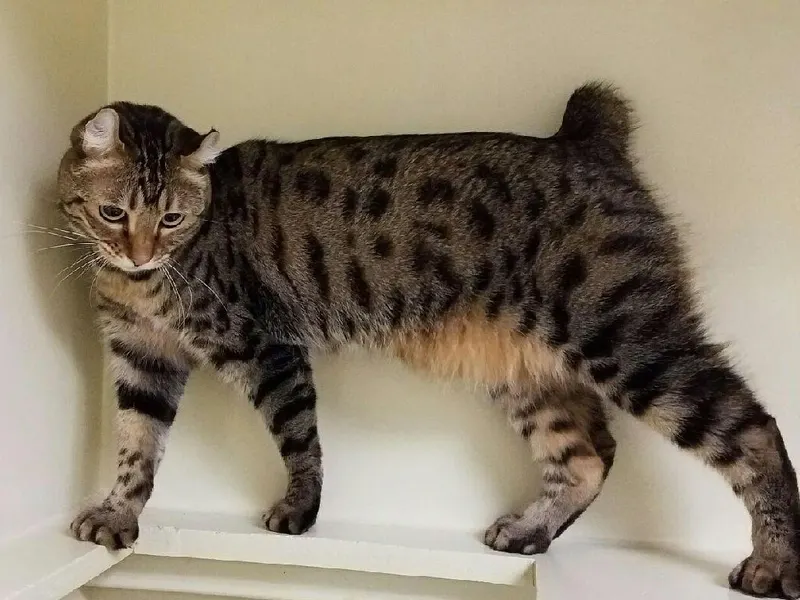
<p>The Pixiebob is a sturdy, bobtailed cat with a muted spotted coat, a heavy brow and often lynx-like ear tips, bred to resemble the North American bobcat. Despite the look, it is a domestic cat with a calm, loyal and often dog-like temperament. It suits families who want a friendly, trainable cat with a wild appearance.</p>
Why people love the Pixiebob
- Dog-like, loyal and often trainable to walk on a harness
- Calm rather than hyperactive
- Gets along well with dogs and children
- Quiet, chirping more than meowing
- Wild bobcat-like look in a domestic cat
Things to consider
- Rare, with a limited number of breeders
- Polydactyl toes need regular nail checks
- Slow to mature, reaching full size at three to four
- Needs interaction and play every day
- Some sellers market misleading bobcat hybrid claims
Despite the wild look, the Pixiebob is a domestic breed; DNA testing has not shown bobcat ancestry, so wild-hybrid rules do not normally apply.
Is this breed right for you?
10 questions · live resultHistory and Origin
The Pixiebob was developed by Carol Ann Brewer in Washington State starting in the mid-1980s. She acquired a large, bobtailed, spotted male and a polydactyl spotted male whose backgrounds were rumored to include bobcat. A kitten from these cats, a female born in 1986 whom Brewer named Pixie, gave the breed its name.
Brewer and later breeders worked with similar bobtailed "legend cats" from the region. While early marketing hinted at bobcat ancestry, DNA testing has not shown bobcat genes in the breed, and the Pixiebob is registered as a domestic cat. TICA granted championship status in 1998. Polydactyly, extra toes, is permitted in the TICA standard, which is unusual among pedigreed breeds.
Size, Coat Types and Markings
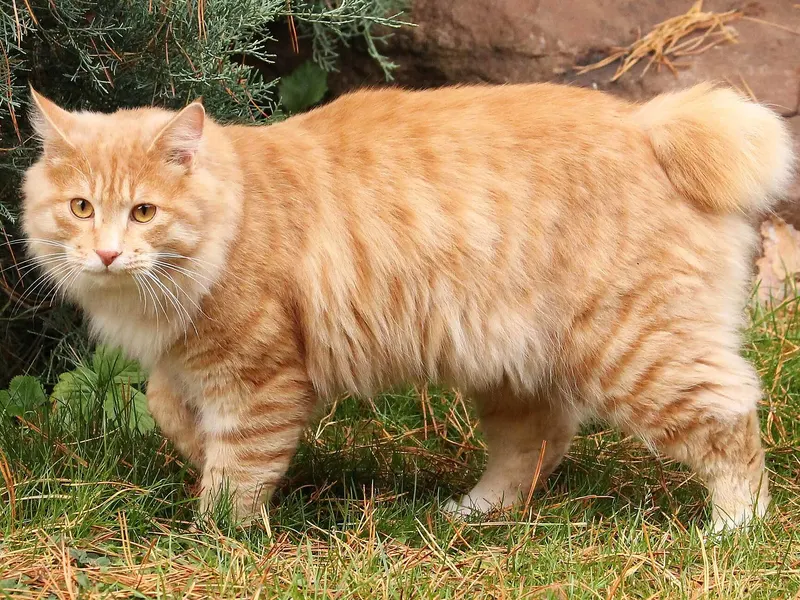
The Pixiebob is a medium to large, muscular, heavy-boned cat with a deep chest, slightly longer hind legs and a rolling gait. The head is a pear-shaped, wide face with a heavy brow, a strong chin and fleshy muzzle. The ears are wide-set and often have lynx tips, and the deep-set eyes are gold, gooseberry green or brown. Adults weigh about 8 to 17 lb. Males are noticeably larger and heavier, and both sexes keep filling out until three or four years old.
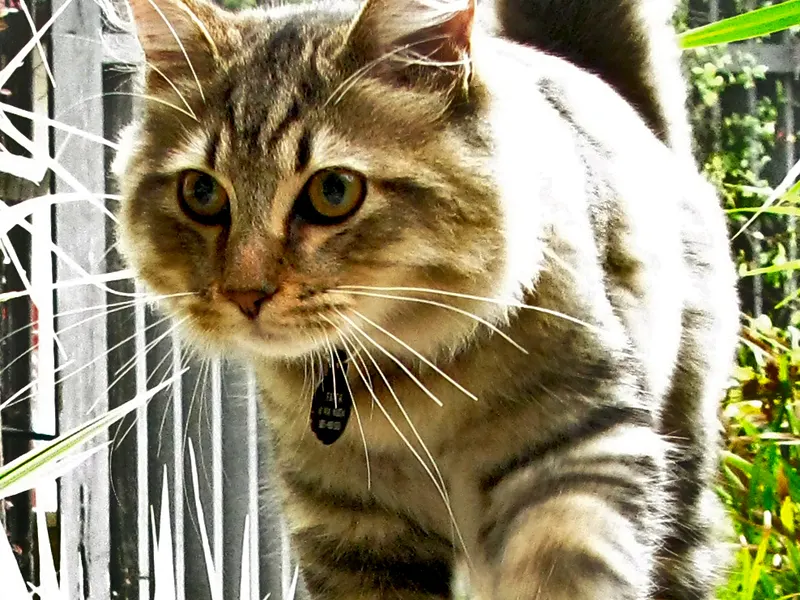
There are two coat types. The shorthair has a thick, woolly coat that stands slightly off the body, and the longhair has a soft, medium-long coat. Facial hair often forms bushy sideburns.
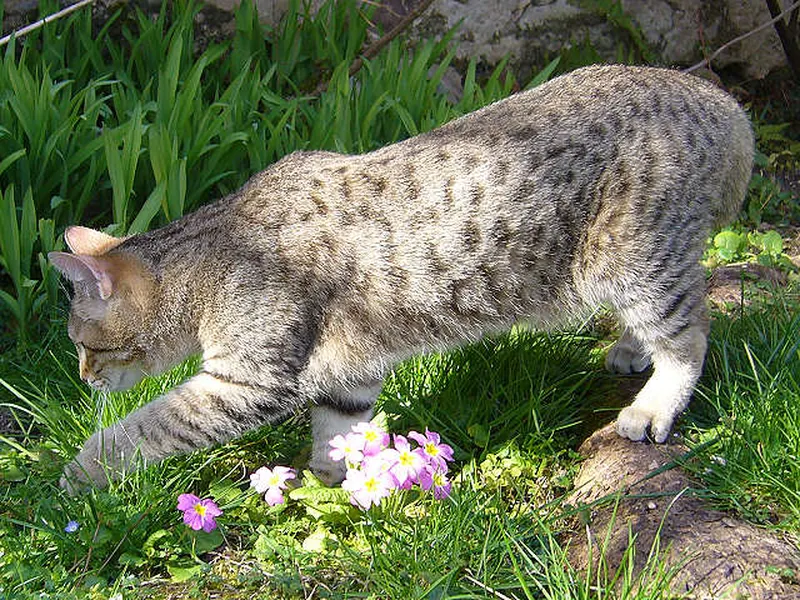
The standard color is a brown spotted tabby with small, muted spots, ticked hair, a lighter belly and white or cream around the eyes with dark mascara lines. The tail ranges from about 1 inch to hock length. Polydactyly, with up to seven toes per foot, is accepted by TICA.
Personality and Temperament
Pixiebobs are often described as dog-like. Many walk on a harness, play fetch, come when called and follow their people around. They are loyal and affectionate with family and tend to be calm rather than hyperactive.
They are not big talkers. Many chirp and chatter rather than meow. They usually do well with children and dogs, especially when raised with them, though some are reserved with strangers at first.
Pixiebobs are often sensitive to their owners' moods and like being included in daily life, from sitting on the desk while you work to waiting by the door at the end of the day. They are generally not destructive and adapt well to routines, which makes them easier to live with than their wild look might suggest.
Are Pixiebobs Good for First-Time Cat Owners?
Yes, Pixiebobs can be a good choice for first-time cat owners who want an interactive companion. They are generally calm, loyal and easy to live with, and their dog-like willingness to learn makes harness training and simple tricks fun.
Beginners should know that Pixiebobs need daily play and attention, so they suit people who are home a fair amount or have other pets. Grooming is easy, but polydactyl cats need regular nail checks. Finding a kitten takes research, as breeders are limited. Choose a TICA-registered breeder and avoid sellers promoting bobcat hybrid claims.
Are Pixiebobs Lap Cats?
Some are, but most Pixiebobs are better described as close companions than constant lap cats. They like to be near their people, follow them around the house and often sit on a desk or beside you on the sofa.
Many Pixiebobs enjoy cuddles on their own terms, especially in the evening or when the house is quiet. Their loyal, dog-like nature means they often bond strongly with one or two family members. Kittens and young adults are usually more interested in play than lap time, while mature cats tend to become more relaxed and affectionate. Gentle, regular handling helps.
Should Pixiebobs Be Indoor Cats?
Most breeders recommend keeping Pixiebobs indoors with safe outdoor access, such as a catio or supervised time on a harness. Their friendly, trusting nature does not protect them from traffic, predators or theft, and their wild look can draw unwanted attention.
Pixiebobs adapt well to indoor life when they get enough interaction. Daily play, fetch, puzzle toys and short training sessions keep them busy. Many enjoy walking on a harness, which offers a safe way to explore outdoors. Sturdy cat trees support their solid build, and window perches give them something to watch.
Activity, Play and Enrichment
Energy is moderate. Pixiebobs enjoy interactive play and learning but are not constantly on the go.
- Harness training and supervised outdoor time in a catio suit many.
- Fetch, puzzle toys and short clicker sessions engage their intelligence.
- Sturdy cat trees support their solid build.
Grooming and Shedding
Pixiebobs come in shorthair and longhair forms. The shorthair coat is thick, woolly and stands up slightly from the body; the longhair is soft and medium-long. Both need brushing about once a week, more during seasonal sheds. Shedding is moderate.
The standard color is a brown spotted tabby with small, muted spots and a lighter belly. Tails range from about 1 inch to hock length. If your cat has extra toes, check those nails regularly, as they can curl into the pad.
Feeding and Nutrition
Pixiebobs are slow to mature, often reaching full size at three to four years. Kittens should eat a complete kitten food until about 12 months, then move to an adult diet, with portions adjusted as they continue to fill out. Steady, lean growth is healthier than pushing for size.
Their energy level is moderate, and some become heavy if they are not played with daily. Feed measured meals, check body condition by feel and use food puzzles or feeding toys to add activity. Many Pixiebobs enjoy earning food in training, which makes treats a great tool, as long as they are small and counted in the daily ration.
Because hypertrophic cardiomyopathy has been reported occasionally, keep your cat at a healthy weight and follow your vet's advice on heart screening. Food does not prevent or cure HCM.
Encourage drinking with a fountain or several bowls, and consider including wet food to support urinary health. Brush weekly to reduce hairballs, especially during seasonal sheds.
| Adult weight | Indoor, less active | Typical adult | Active or intact |
|---|---|---|---|
| 8 lb | 180 kcal | 220 kcal | 260 kcal |
| 12 lb | 250 kcal | 300 kcal | 350 kcal |
| 17 lb | 320 kcal | 390 kcal | 450 kcal |
Estimates use the resting energy formula veterinarians work with (70 × body weight in kg0.75) and standard activity factors. Use the feeding guide on your food as a starting point and adjust to body condition. Kittens, seniors, pregnant animals and pets that need to lose weight have different needs, so ask your vet.
Health and Lifespan
Pixiebobs are generally considered healthy and often live 13 to 16 years. A few issues have been reported in the breed, including cryptorchidism (undescended testicles) in males and occasional hypertrophic cardiomyopathy (HCM), so ask breeders about heart screening. Polydactyl feet are not a health problem in themselves but need regular nail checks. They mature slowly, reaching full size at three to four years.
Pixiebob Price and Cost of Ownership
Typical breeder price in the US$1,000 to $2,500
A pet-quality Pixiebob kitten from a reputable US breeder typically costs about $1,000 to $2,500. Prices vary by breeder, region, coat type, tail length and toes, and show-quality kittens cost more. The breed is not common, so waiting lists are normal. Look for TICA-registered breeders, and avoid sellers who market kittens as bobcat hybrids, since owning wild cats or hybrids is regulated in many places and genuine Pixiebobs are domestic cats. Pixiebob-like cats occasionally appear in rescues.
Ongoing costs are moderate. The coat is easy to care for at home.
Breed-specific cost drivers include regular nail care for polydactyl cats, neutering costs for males with cryptorchidism, heart screening if recommended and sturdy cat trees, harnesses and enrichment for an interactive cat.
Is the Pixiebob Right for You?
A Pixiebob suits families, homes with dogs and owners who enjoy training and an interactive cat. It is a less obvious choice if you want a very quiet, aloof cat or have no time for play.
Be cautious of any seller who markets Pixiebobs as bobcat hybrids. Keeping wild cats or hybrids is regulated in many places, and genuine Pixiebobs are domestic cats. US pet kittens usually cost about $1,000 to $2,500, varying by breeder and region.
Pixiebob Traits at a Glance
Pixiebob FAQ
Are Pixiebobs part bobcat?
No. Despite early legends, DNA studies have not found bobcat ancestry, and registries treat the Pixiebob as a domestic breed.
How big do Pixiebob cats get?
Most adults weigh 8 to 17 lb (about 3.5 to 8 kg), with males heavier. They can keep growing until three or four years old.
Do Pixiebobs have extra toes?
Many do. Polydactyly is accepted in the breed standard, up to seven toes per foot.
Are Pixiebobs good with dogs?
Yes, they are known for getting along well with dogs, especially when introduced young.
Do Pixiebobs meow?
They tend to be quiet, chirping and chattering more than meowing.
How long do Pixiebob cats live?
Often 13 to 16 years.