Healthiest Cat BreedsSturdy breeds with fewer inherited problems
Breeds on this list are generally considered robust: they lack extreme features such as flat faces or folded ears, often have broad gene pools and have relatively few commonly reported inherited problems. This page helps you understand what breed health really means and how to improve your odds of a healthy cat.
Top 10 Healthiest Cat Breeds
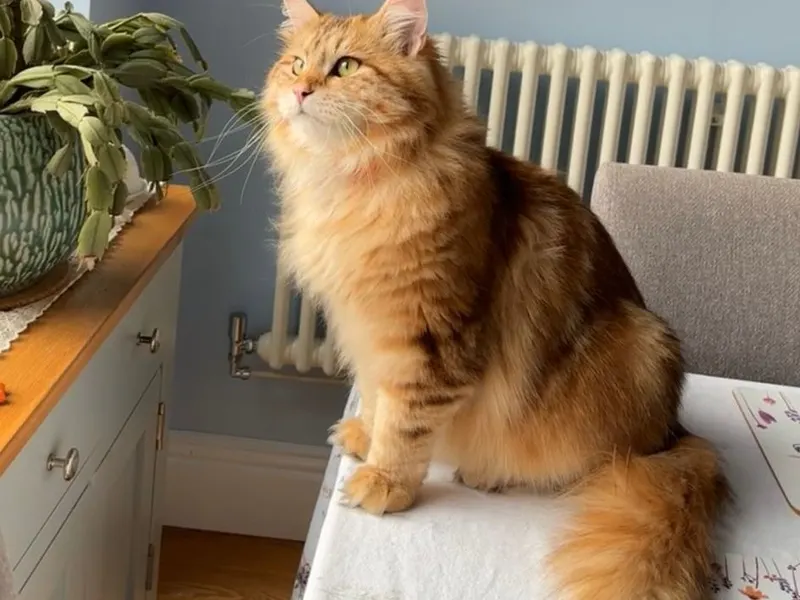
A natural forest breed with a sturdy build, broad gene pool and no extreme features.
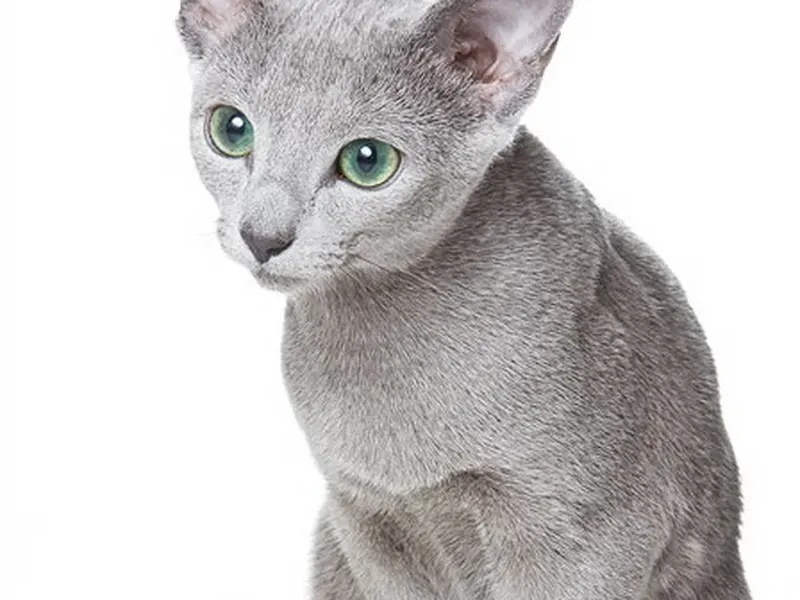
A natural breed with a moderate body shape and relatively few commonly reported inherited problems.
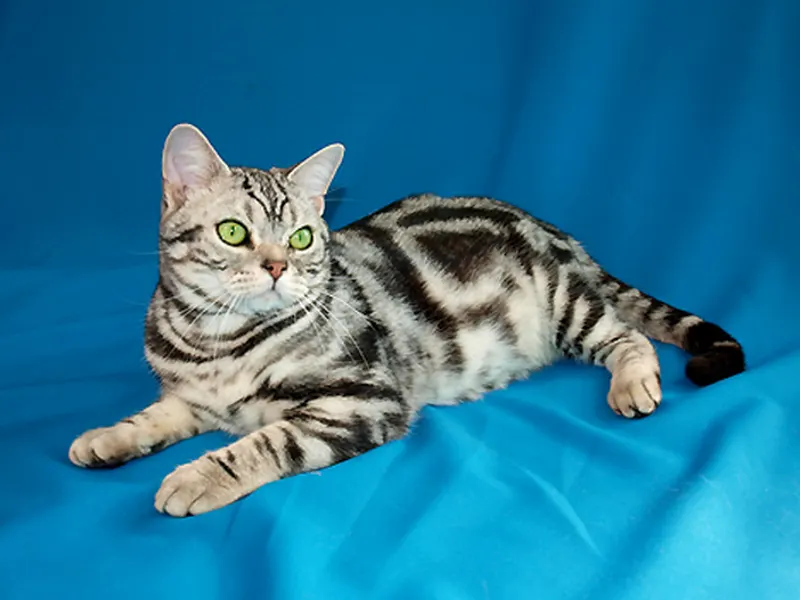
Developed from hardy working cats, it has a sturdy frame, moderate features and a broad background.
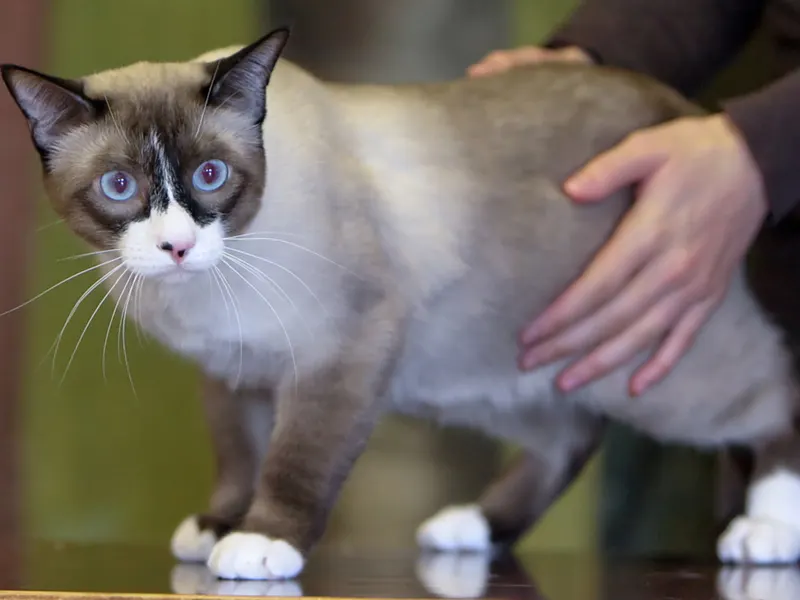
A moderate, athletic build and mixed ancestry give this pointed breed a generally robust reputation.
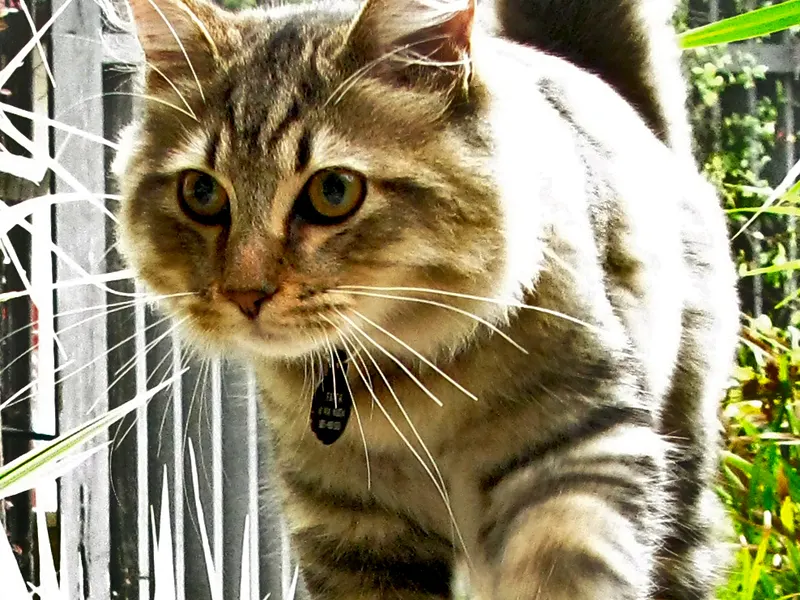
Sturdy and moderate in type, it is generally regarded as a healthy, adaptable breed.
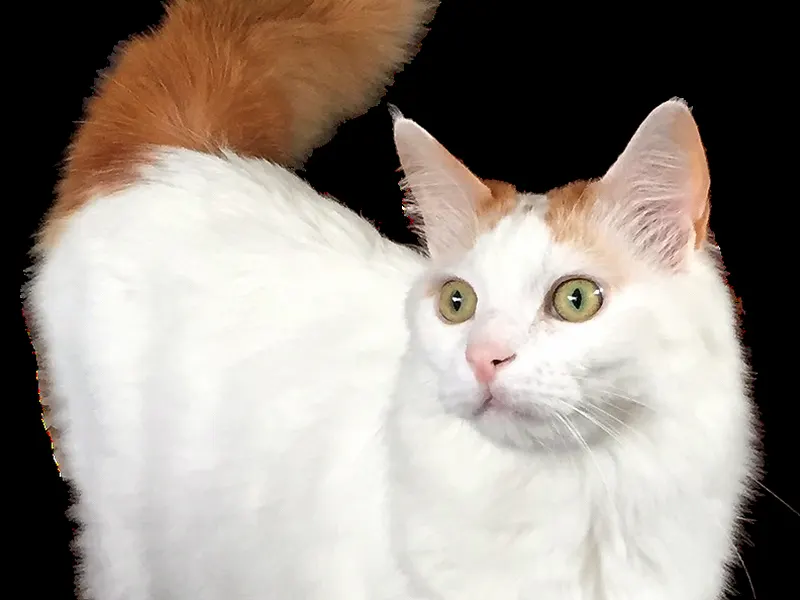
An old, natural breed from the Lake Van region with a strong, muscular build.
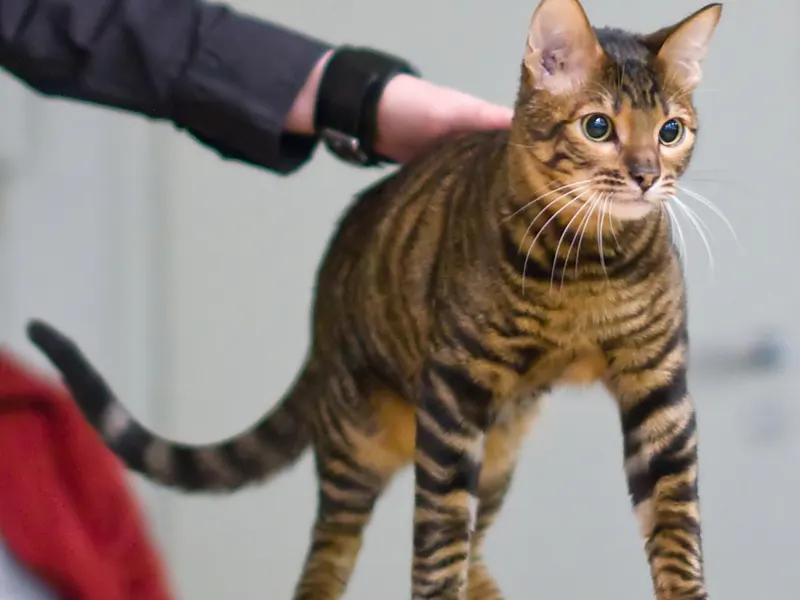
A moderate, athletic breed developed from domestic shorthair lines, generally reported as robust.
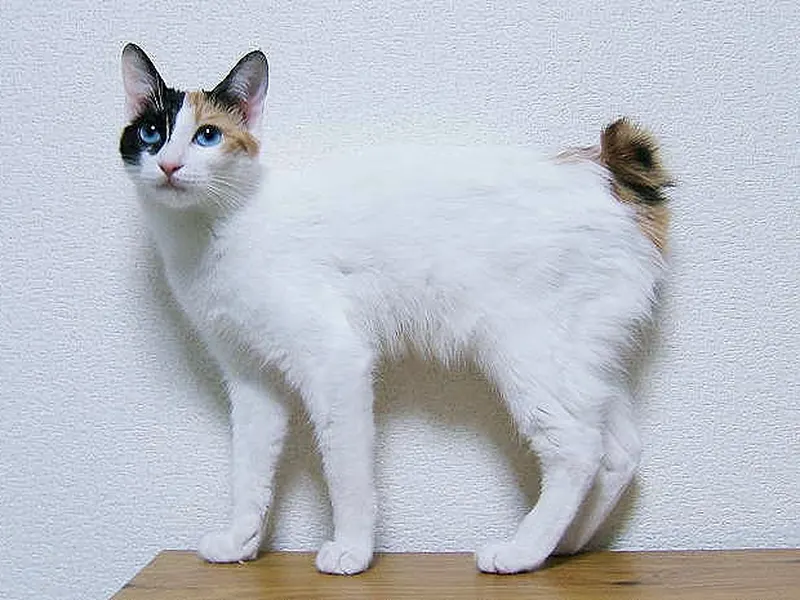
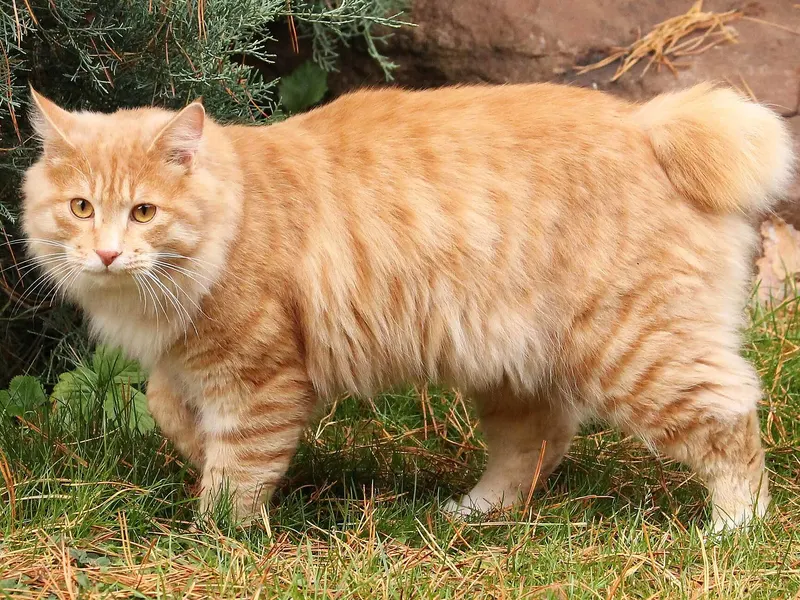
A natural breed with a long history in Japan and a short tail that is not linked to spinal disease.
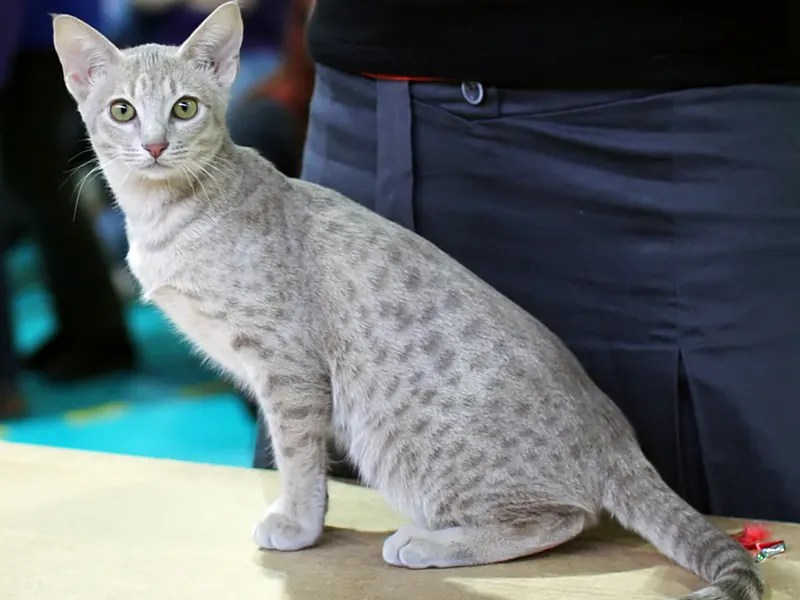
A moderate, muscular breed from varied domestic ancestry that is generally considered sturdy.

Closely linked to the American Shorthair, it shares the same moderate build and hardy background.
All Healthy Cat Breeds A to Z
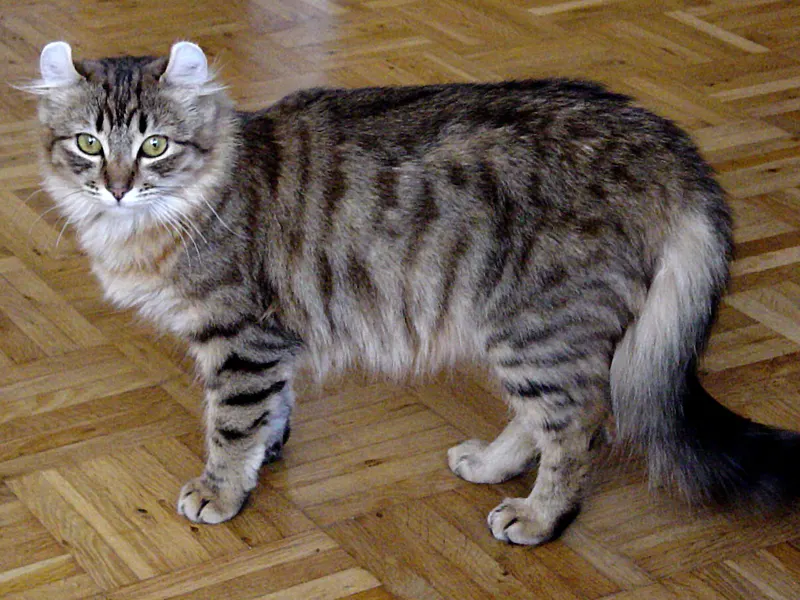

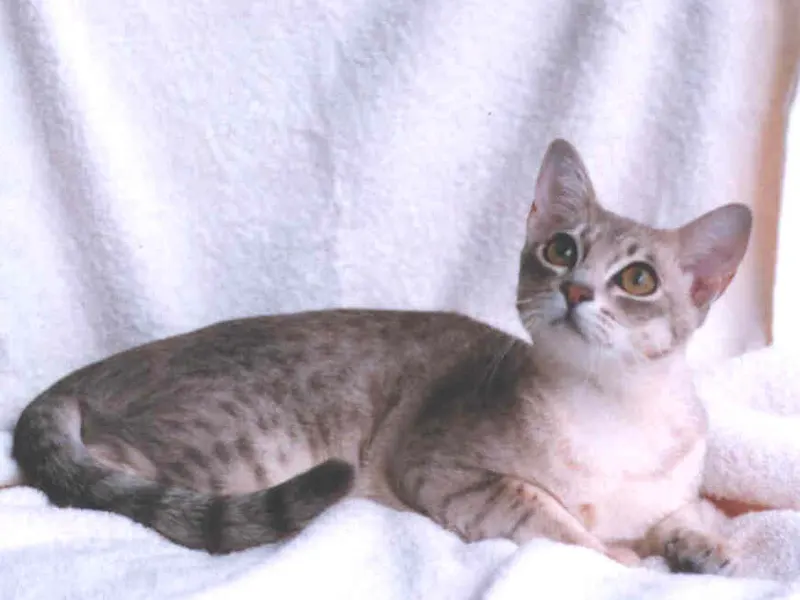
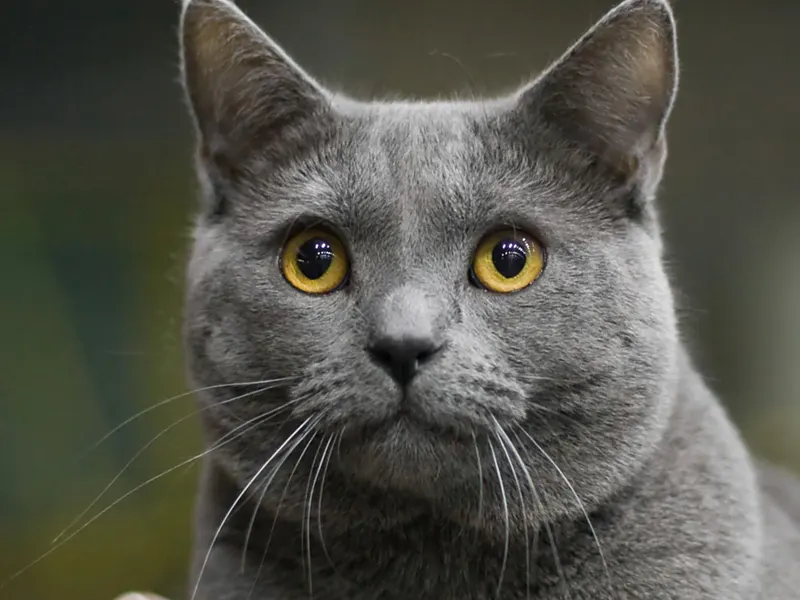

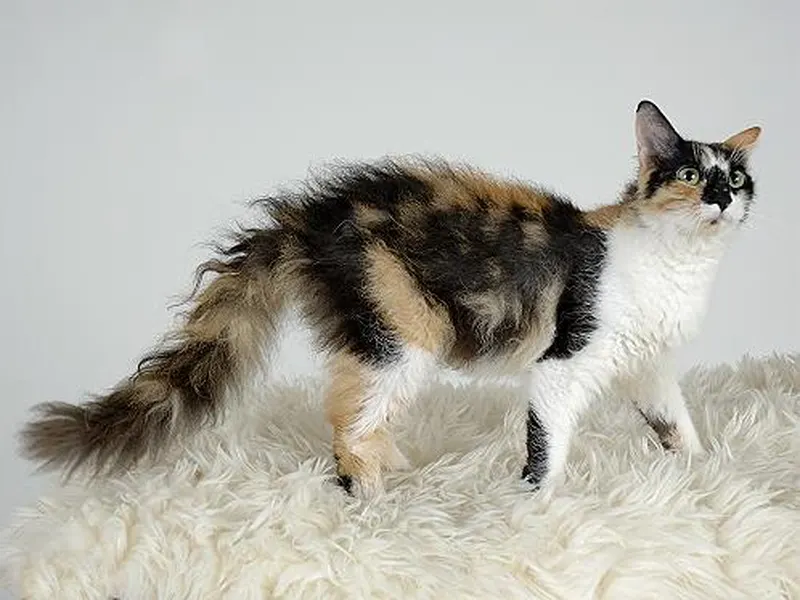

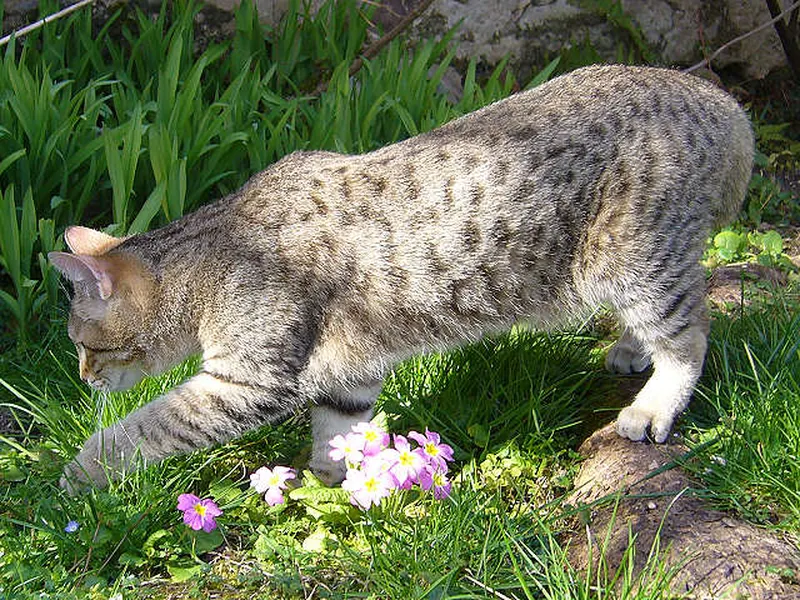
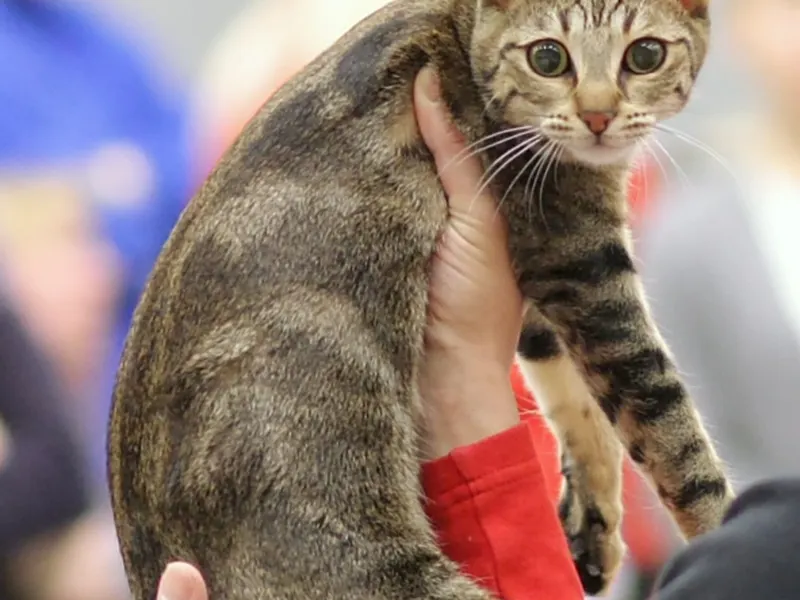
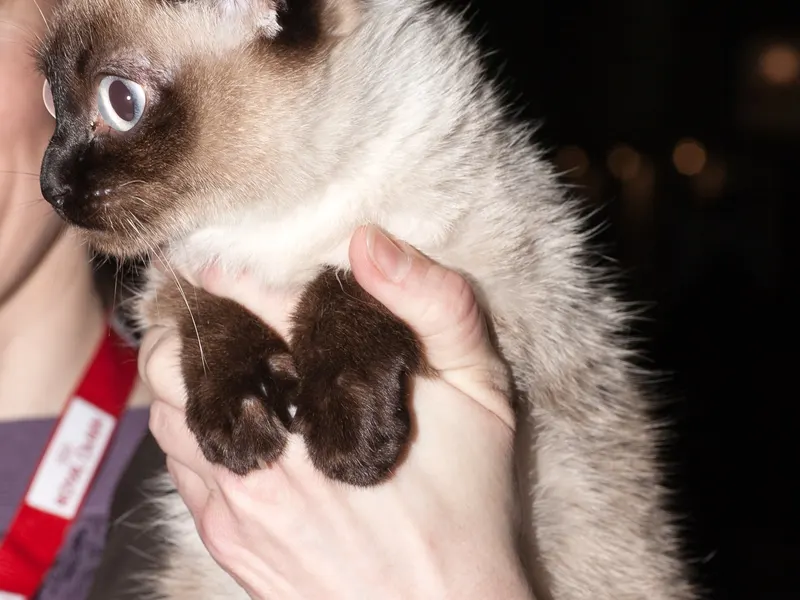
What makes a breed healthy
No breed is guaranteed to be healthy, and individual cats in any breed can develop disease. Some patterns do make problems less likely:
- Moderate body shape: no flat face, short legs, folded ears or extreme slimness.
- Broad gene pool: natural breeds such as the Siberian, Turkish Van, European Shorthair and Kurilian Bobtail developed from large local populations.
- Few known breed-specific diseases: or reliable tests for the ones that exist.
- Responsible breeding: screening parents and avoiding close inbreeding.
Common inherited problems to know
Even healthy breeds can be affected by conditions that occur across many cats. Hypertrophic cardiomyopathy (HCM), a thickening of the heart muscle, is the most common heart disease in cats and is seen in many breeds and in mixed-breed cats. Polycystic kidney disease (PKD) has been a concern in Persian-related breeds, and DNA tests help breeders avoid it. Dental disease and obesity are common in all cats and largely preventable.
Ask breeders what they test for. For many breeds, that means heart scans of breeding cats, DNA tests where available and an honest answer about the health and lifespan of their cats' relatives.
How to read breed health claims
Be careful with any source, breeder or website that calls a breed disease-free. Good information on breed health is limited, especially for newer breeds, and much of what is known comes from vet experience, insurance claims and breed club surveys rather than large studies.
A sensible approach is to look for the absence of known risk factors rather than a promise of perfect health. A breed with a moderate shape, a decent population size and breeders who openly discuss health testing is a better bet than one with a striking extreme feature. Pet insurance or a savings fund for vet bills is wise whatever breed you choose.
How to choose a healthy cat
Look for a breeder who welcomes visits, shows you the mother and the living conditions, and provides vaccination and health records. Kittens should be active, bright-eyed and well socialized, and they should usually not leave before about 12 weeks. Be cautious with breeders who produce many litters of different breeds or cannot answer health questions.
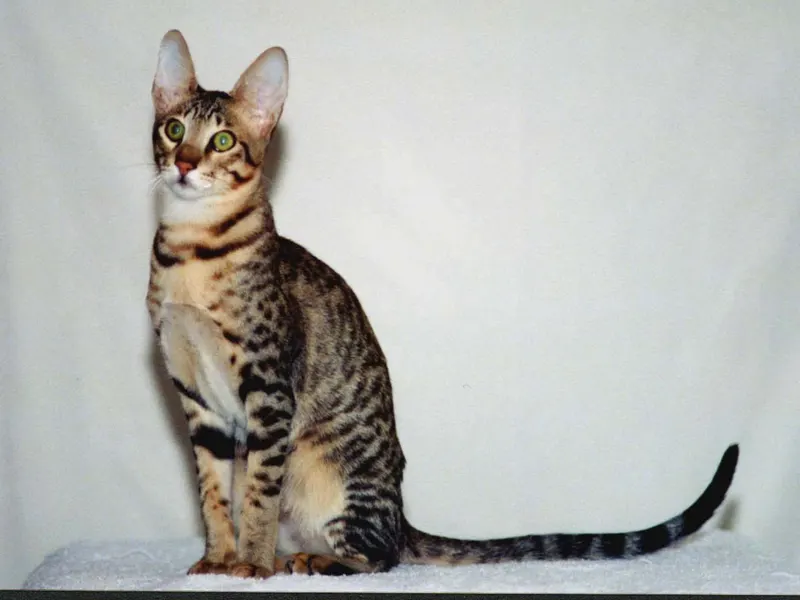
New and rare breeds on this list, like the Toybob, Serengeti and York Chocolate, have small populations, so their long-term health is less well documented. Natural breeds and those with large populations offer more certainty.
Mixed-breed cats and lifelong care
Mixed-breed cats often benefit from a broad genetic background and can be very healthy. Shelters can share an adult cat's health history, which takes some guesswork out of adoption.
Whatever cat you choose, the biggest health factors are in your hands: keep your cat at a healthy weight, provide yearly vet checkups, look after its teeth, keep vaccinations and parasite control current and consider keeping it indoors or in a secure outdoor area.
Frequently Asked Questions
What is the healthiest cat breed?
Natural breeds with moderate features, such as the Siberian, Russian Blue and American Shorthair, are often named among the healthiest. No breed is free of all health problems.
Are mixed-breed cats healthier than purebreds?
Mixed-breed cats often have a broader gene pool, which can reduce the risk of some inherited diseases, but they can still develop common conditions like HCM, dental disease and obesity.
Which cat breeds have the most health problems?
Breeds with extreme features, such as very flat faces, folded ears or short legs, tend to face more breed-related problems.
What health tests should a breeder do?
It depends on the breed, but heart scans for HCM and DNA tests for conditions like PKD are common. Ask to see results for the parents.
How long do healthy cat breeds live?
Many cats live into their mid-teens or longer. Weight control, dental care and regular checkups have a big influence on lifespan.
Not sure which cat breed fits you?
Answer 10 quick questions and get cat breeds ranked for your home, schedule and family.