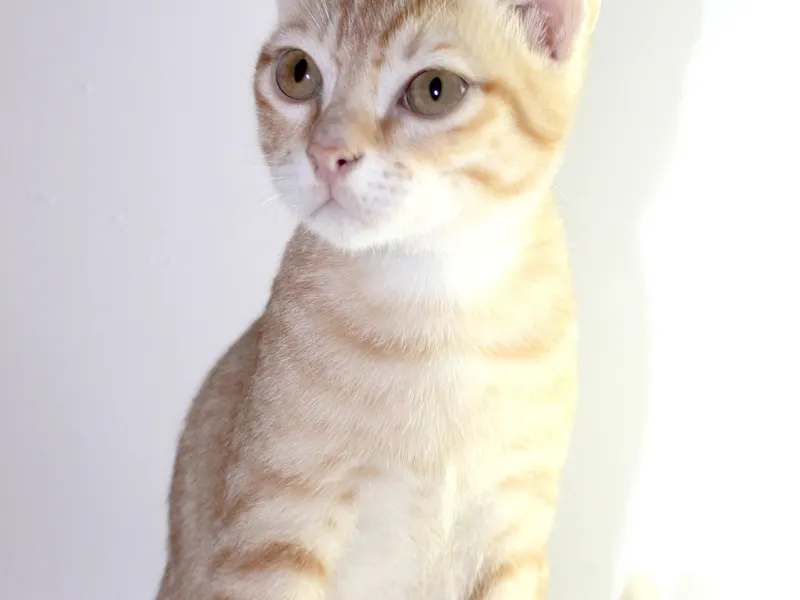
European ShorthairEurope's natural, athletic working cat
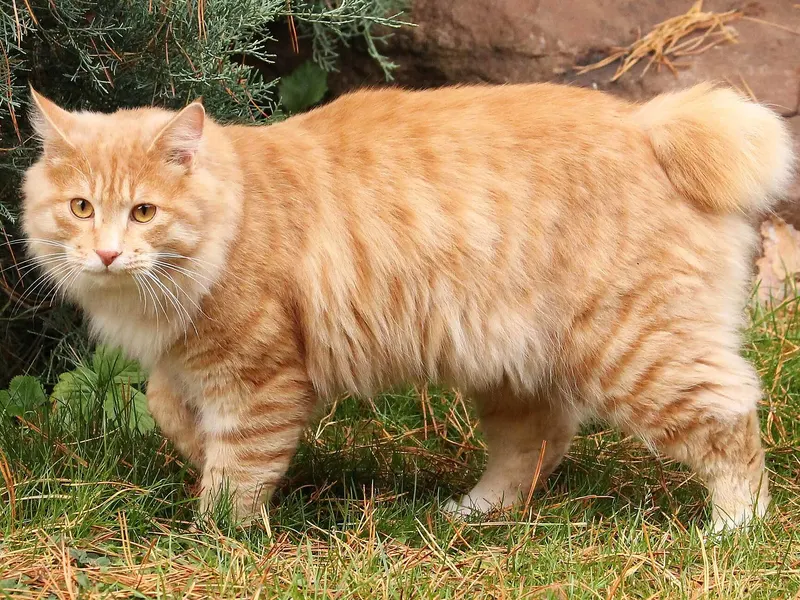
<p>The European Shorthair is a medium to large, muscular shorthair that preserves the look of the natural farm and house cats of continental Europe, without the round, cobby type of the British Shorthair. It is hardy, adaptable and intelligent. It suits families and owners who want a robust, low-maintenance cat, though it is rare outside Europe.</p>
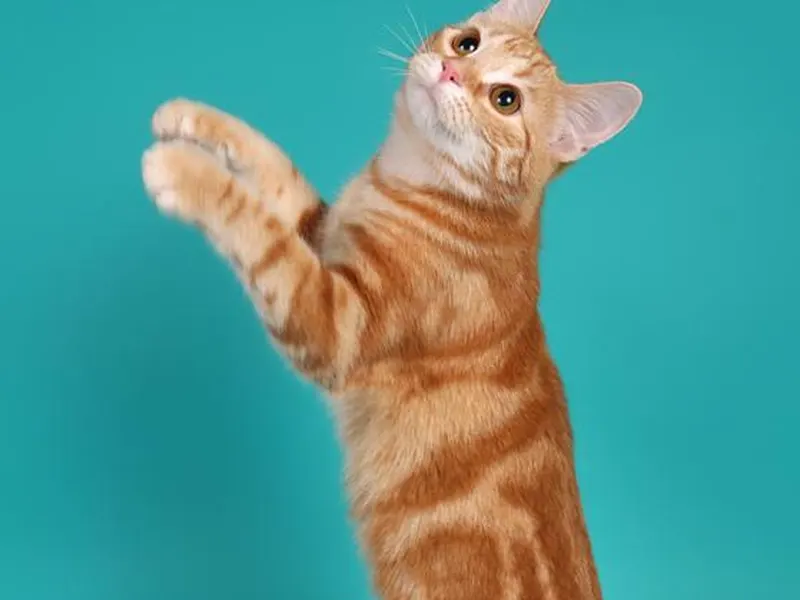
Why people love the European Shorthair
- Robust, healthy breed from native cat stock
- Calm, friendly and adaptable
- Independent enough for working owners
- Low-maintenance short coat
- Natural, moderate appearance without extreme features
Things to consider
- Very rare outside Europe
- Strong hunting instinct around small pets
- Not recognized by major US registries
- Needs active play to avoid boredom indoors
- Import costs likely for US buyers
Is this breed right for you?
10 questions · live resultHistory and Origin
For decades the cat fancy grouped European native shorthairs together with the British Shorthair, and British cats were often used in breeding. As the British type became rounder and more cobby, breeders in Scandinavia, especially Sweden, wanted to preserve the more natural, moderate look of their local cats.
In 1982, FIFe recognized the European Shorthair as a separate breed. Breeders have since worked mostly from registered native cats, avoiding outcrosses to other pedigreed breeds. The breed is recognized by FIFe and some independent European registries, but not by CFA or the GCCF, and it is rarely seen in North America. It is sometimes called the Celtic Shorthair.
Size, Colors and Coat
The European Shorthair is a medium to large, muscular cat weighing 8 to 15 lb. Males are noticeably larger and heavier than females, with broader heads and jowls. The breed matures slowly and may take several years to reach full size.
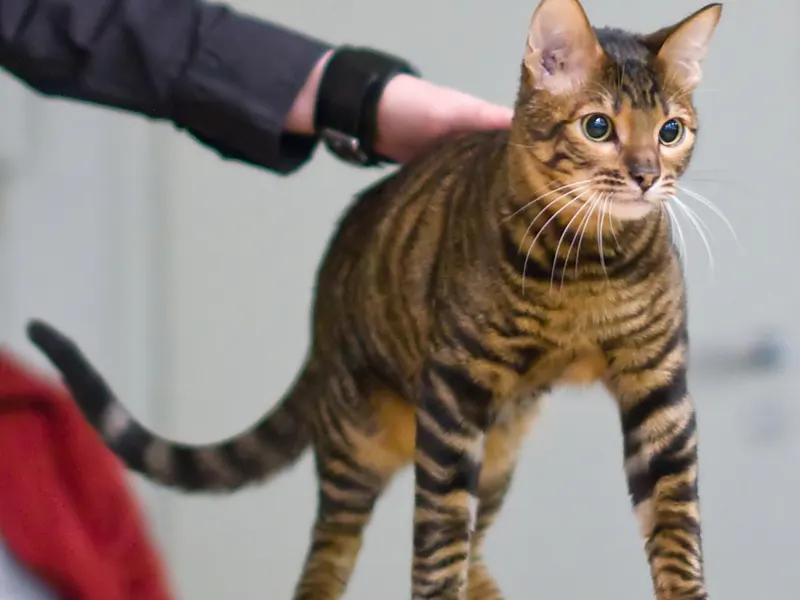
The body is robust and well-muscled, with a broad chest, strong legs and a medium-length tail. The head is rounded but slightly longer than that of the British Shorthair, with a straight, medium-length nose and wide-set ears. The eyes are round, wide-set and match the coat color.
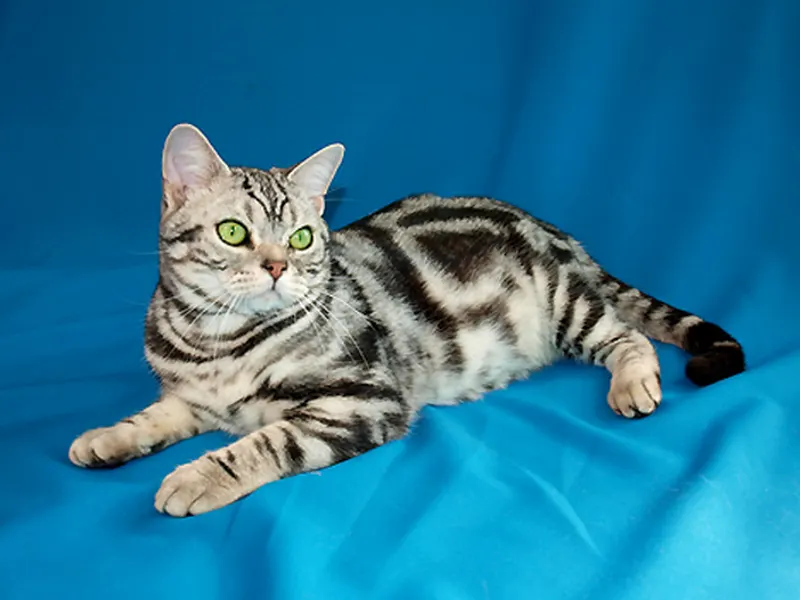
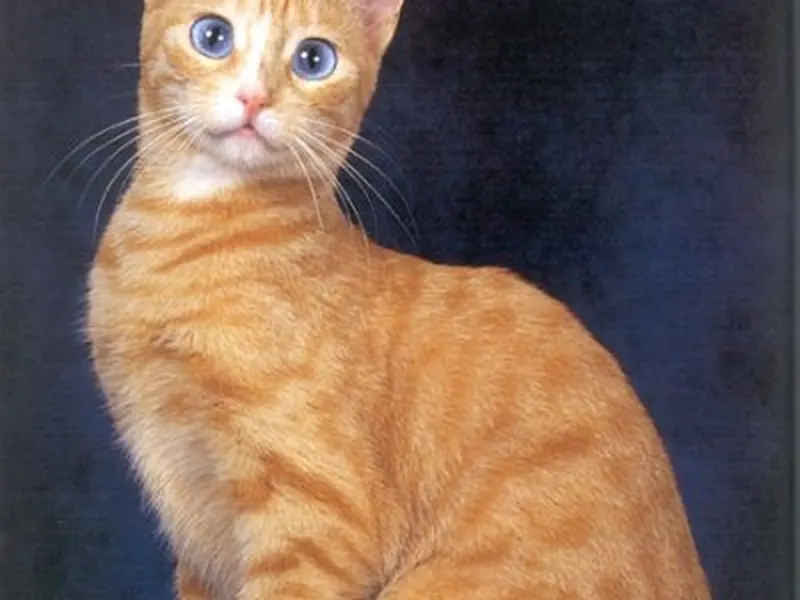
The coat is short, dense and glossy. FIFe accepts many traditional colors and patterns, including:
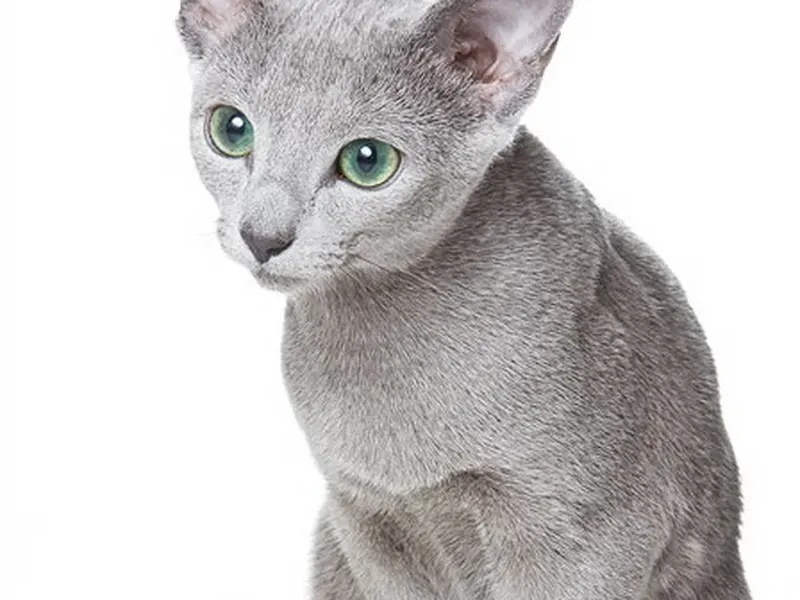
- Solid colors, such as black, blue, red and cream
- Tabby patterns, especially silver tabby
- Bicolor and tortoiseshell varieties
Pointed patterns and colors such as chocolate and lilac are not accepted, as they indicate other breeds in the background.
Personality and Temperament
European Shorthairs are typically calm, friendly and self-reliant. They enjoy their family's company and may sit beside you, but they are generally not clingy. Their independent streak means they handle being alone for a workday well.
Many are confident with visitors after a short inspection. They usually adapt to children and to other pets, and their strong hunting instinct means small pets such as birds and rodents should be kept safely out of reach.
Is the European Shorthair a Lap Cat?
Some European Shorthairs enjoy laps, but most prefer sitting beside their owners rather than on them.
The breed is calm and friendly, and many enjoy being near their people, especially in the evening. Their independent streak means they are generally not clingy. Individual personalities vary, and some become affectionate lap cats over time. Allowing the cat to choose when to cuddle builds trust. Kittens are usually more active and less likely to sit still than adults. A warm window seat near family activity is often its favorite spot.
Should European Shorthairs Be Indoor-Only?
European Shorthairs adapt to indoor life, but they are active hunters that benefit from safe outdoor access, such as a catio or secure garden.
In parts of Europe, they are commonly kept with outdoor access. In the US, many owners keep cats indoors to protect them from traffic, predators and disease and to protect wildlife. Indoor European Shorthairs need daily play sessions, climbing spaces, window perches and food puzzles. Harness training can also provide supervised outdoor time. Whatever you choose, keep vaccinations, parasite control and microchip details current.
Can European Shorthairs Live with Dogs?
Yes, European Shorthairs usually adapt well to living with cat-friendly dogs after gradual introductions.
Their calm, confident nature helps them coexist with other pets. Introduce them slowly, starting with separate spaces and scent swapping, then short supervised meetings. Give the cat high perches and escape routes. Dogs with strong prey drive may not be suitable. Once settled, many European Shorthairs live peacefully with dogs and may even form close bonds. Feeding the cat on a raised surface the dog cannot reach helps prevent food conflicts.
Activity, Play and Enrichment
These are active, athletic cats built for hunting. They enjoy climbing, chase games and exploring. Indoor cats need a solid scratching post, a tall cat tree and daily play with wand toys that imitate prey. Many enjoy safe outdoor access in a catio or secure garden, and in parts of Europe they are commonly kept with outdoor access. Puzzle feeders keep their sharp minds occupied.
Grooming and Shedding
The coat is short, dense and glossy, with a firm texture. Weekly brushing is enough for most of the year, increasing during seasonal sheds. Shedding is moderate.
The FIFe standard allows many traditional colors and patterns, including solid, tabby, bicolor and silver varieties, but not pointed patterns or colors such as chocolate and lilac that indicate other breeds in the background. Silver tabbies and classic black or blue cats are common.
Feeding and Nutrition
European Shorthairs are active, athletic cats, but indoor cats can gain weight if portions are not adjusted to activity. Measure meals and check body condition regularly: ribs should be easy to feel and a waist visible from above.
The breed matures slowly, and kittens need a growth formula until about one year. After neutering, energy needs often drop, so adjust portions accordingly.
- Feed kittens three or four meals a day and adults two or three.
- Use puzzle feeders to add mental stimulation.
- Count treats as part of the daily ration.
- Encourage water intake with fountains or wet food.
Cats with outdoor access may hunt, which affects their food intake and exposes them to parasites. Regular deworming and vet checks are important.
Dental care is important for all cats. Regular tooth brushing and checkups help prevent tartar and gum disease. No breed-specific food sensitivities are documented.
| Adult weight | Indoor, less active | Typical adult | Active or intact |
|---|---|---|---|
| 8 lb | 180 kcal | 220 kcal | 260 kcal |
| 12 lb | 250 kcal | 300 kcal | 350 kcal |
| 15 lb | 290 kcal | 350 kcal | 410 kcal |
Estimates use the resting energy formula veterinarians work with (70 × body weight in kg0.75) and standard activity factors. Use the feeding guide on your food as a starting point and adjust to body condition. Kittens, seniors, pregnant animals and pets that need to lose weight have different needs, so ask your vet.
Health and Lifespan
Developed from a broad base of native cats, the European Shorthair is considered a robust breed, commonly living about 12 to 18 years. No breed-specific inherited diseases are well documented. As with any cat, hypertrophic cardiomyopathy (HCM) can occur, so ask breeders about any screening. Dental care, weight management and yearly vet checks cover most needs.
European Shorthair Price and Cost of Ownership
The European Shorthair is very rare in the US, and kittens would usually need to be imported from Europe, especially Scandinavia. No reliable typical US price exists. Prices vary by breeder, region and lines, and import costs, including transport and paperwork, can add significantly. Many similar-looking Domestic Shorthairs are available in shelters.
Breed-specific cost drivers include:
- Import and transport expenses
- FIFe registration through a European club
- Pet insurance for a long-lived cat
- Cat trees, scratching posts and a secure catio
- Dental cleanings under anesthesia over the years
Grooming costs are minimal thanks to the short coat. Because CFA does not recognize the breed, US show options are very limited.
Is the European Shorthair Right for You?
The European Shorthair suits households that want a healthy, active, independent cat without extreme features. It is a good choice for working owners, families and homes with safe outdoor access.
In the US, kittens are very hard to find and would usually need to be imported from Europe, so no reliable typical US price exists. Many mixed-breed shorthairs in shelters share a similar natural type and temperament.
European Shorthair Traits at a Glance
European Shorthair FAQ
What is the difference between a European Shorthair and a British Shorthair?
The British Shorthair is rounder and cobbier with a broad face. The European Shorthair has a more moderate, athletic build and a slightly longer face, closer to a natural farm cat.
How big do European Shorthairs get?
Adults usually weigh 8 to 15 lb (about 3.5 to 7 kg), with males larger and more muscular.
Is the European Shorthair a real breed?
Yes. FIFe recognized it as a separate breed in 1982, though CFA and the GCCF do not.
Do European Shorthairs shed?
Moderately, with heavier sheds in spring and fall. Weekly brushing helps.
How long do European Shorthairs live?
Commonly about 12 to 18 years.