Polydactyl CatsExtra toes, Hemingway cats and genetics
A polydactyl cat is a cat born with more than the usual number of toes. It is not a breed but an inherited trait caused by a dominant gene, and in most cats the extra toes are harmless.
What is a polydactyl cat?
Most cats have 18 toes: five on each front paw, including the dewclaw, and four on each back paw. A polydactyl cat has more. "Polydactyl" simply means "many digits".
The extra toes most often appear on the front paws. Some cats also have extras on the back paws, and a few have them only on the back. Six or seven toes on a paw is common, and Guinness World Records has recognized cats with 28 toes in total.
Polydactyly is not a breed, and polydactyl cats can be any color, pattern or coat length. Most are mixed-breed domestic cats.
How the trait works: genetics
The common form of feline polydactyly is an autosomal dominant trait. That means:
- It is not linked to sex, so males and females are equally likely to have it
- A cat needs only one copy of the gene to have extra toes
- A polydactyl cat bred with a normal-toed cat will often produce some polydactyl kittens
Researchers have linked polydactyly in cats to small changes in a regulatory region (known as the ZRS) that controls the Sonic hedgehog gene, which guides limb and digit development. One of these variants is known as the "Hemingway" variant because it was identified in cats of that type.
The number and shape of extra toes vary even within one litter, so one kitten might have a single extra toe while its sibling has several. Two normal-toed parents do not usually produce polydactyl kittens, because the dominant gene would show in at least one parent. Rare exceptions exist where the gene is present but barely visible, for example as a slightly enlarged dewclaw.
You can usually spot polydactyly at birth. Counting a kitten's toes is easiest when the paws are gently spread, since extra toes can hide between the normal ones or be fused with them.
Types of polydactyl paws
Extra toes can appear in different positions:
- Thumb cats or mitten cats: the extra toes sit on the inner side of the paw, near the dewclaw, making it look like a mitten with a thumb. This is the most common look in polydactyl cats
- Extra toes on the outer side: less common, giving a wider paw
- Snowshoe or broad paws: several extra toes spread the paw into a large, flat foot
Some polydactyl cats use their "thumbs" to grip toys or scoop food, which makes for popular videos, though it is a quirk rather than a true opposable thumb.
Hemingway cats of Key West
The most famous polydactyl cats live at the Ernest Hemingway Home and Museum in Key West, Florida. According to the museum, the author was given a white six-toed cat named Snow White by a ship's captain. Many of the cats living on the property today are her descendants, and around half of them carry the extra-toe trait.
The museum keeps a colony of around 60 cats, and the polydactyls among them made the term "Hemingway cat" a popular nickname for any cat with extra toes.
The cats are a major attraction for visitors. Following a tradition associated with Hemingway, many are named after famous people. Not every cat in the colony has extra toes: because the gene is dominant but each kitten has a chance of not inheriting it, normal-toed cats are born into the same family lines. That mix is a neat, real-world demonstration of how a dominant trait is passed down from generation to generation.
Maine Coons, ship's cats and history
Polydactyl cats have long been especially common in New England and Atlantic Canada, and also in parts of the UK such as South West England and Wales. A popular explanation is ships: sailors were said to value polydactyl cats as good luck and as skilled mousers and climbers, so the trait spread to port towns. The story is plausible, but it is hard to prove.
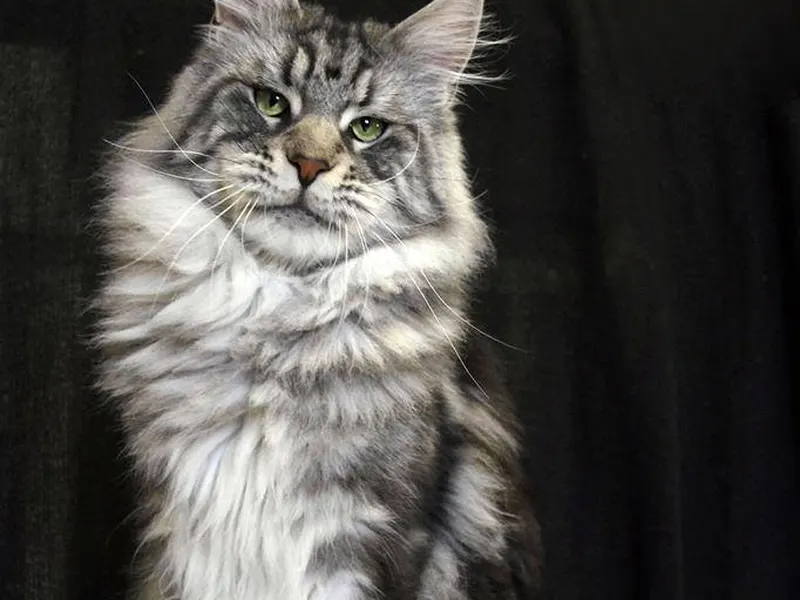
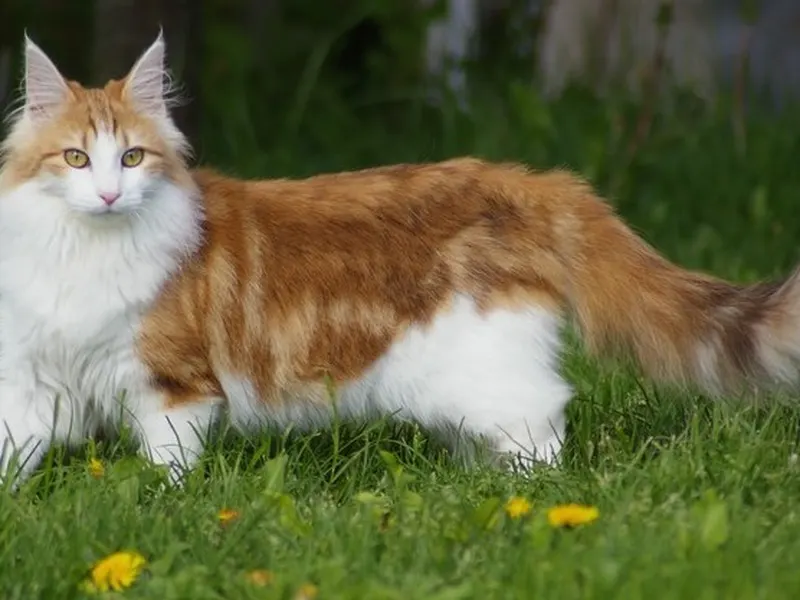
The Maine Coon is closely tied to polydactyly. Early Maine Coons from New England often had extra toes, which may have helped as natural snowshoes in harsh winters. Most modern show standards do not accept polydactyly, so it became rare in pedigreed Maine Coons, though some breeders and registries keep polydactyl lines.
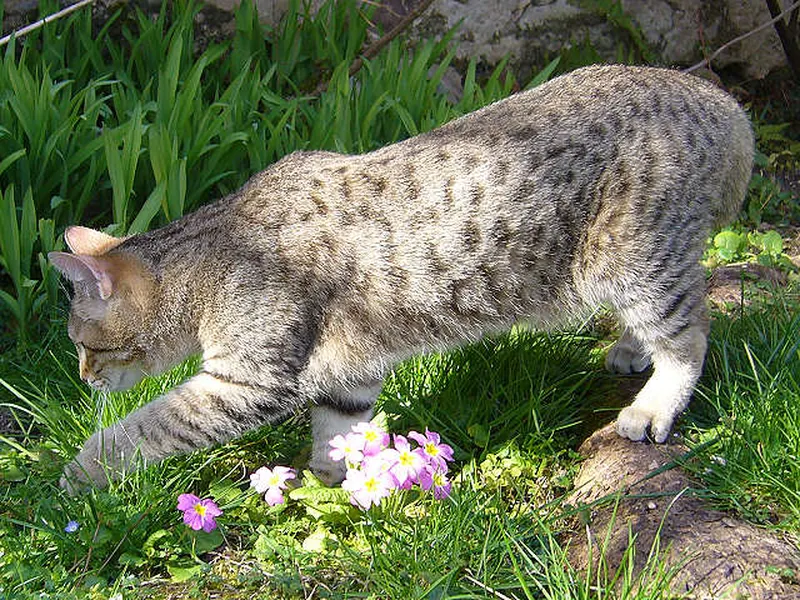
The Pixiebob is unusual because its standard explicitly allows polydactyl feet. In most other breeds, extra toes are a show disqualification, so polydactyly appears mainly in mixed-breed cats.
Health and care
For the vast majority of polydactyl cats, extra toes cause no problems. They walk, run, climb and jump normally.
The main care point is nails. Extra toes, especially those near the dewclaw, may not touch the ground or scratching surfaces properly, so their claws do not wear down. Untrimmed, they can curl around and grow into the paw pad, which is painful and can become infected.
- Check all paws regularly and count the claws, so you do not miss one
- Trim nails every few weeks, or ask your vet to show you how
- Watch for limping, swelling or licking at a paw
Occasionally an extra toe is malformed or catches on things, and a vet may suggest treatment. Removing healthy extra toes is not routinely needed.
Offer a sturdy scratching post and horizontal scratchers as well. Regular scratching helps keep the outer claw layers in good shape, although the inner extra claws often still need trimming by hand. If your cat dislikes nail trims, short sessions with treats, one or two paws at a time, usually work better than wrestling through all of them at once.
Not the same as radial hypoplasia
Benign polydactyly should not be confused with radial hypoplasia, a different inherited condition affecting the front legs. In radial hypoplasia, the radius bone is underdeveloped, which can cause shortened or twisted forelimbs alongside extra toes.
Cats with radial hypoplasia, sometimes called "twisty cats", can have mobility problems and joint issues. Breeding these cats is widely considered unethical. If a kitten has extra toes along with unusually short, bent or twisted front legs, have it examined by a vet.
Adopting a polydactyl cat
Polydactyl cats often show up in shelters and rescues, particularly in regions where the trait is common. They make the same great companions as any other cat, and their oversized "mitten" paws tend to win people over quickly.
Myths sometimes claim polydactyl cats are smarter or luckier. There is no evidence for either: their personality depends on the individual, its upbringing and environment, not on its toe count.
Before adopting, ask the shelter or vet to check that the extra toes are the common, benign kind and that the front legs look normal. Look at the paws closely for ingrown claws, which are common in cats that have not had regular nail care.
If you plan to breed, remember the trait is dominant. Most pedigree registries disqualify polydactyly in show cats, and any breeding should focus on overall health. For pet owners, the extra toes are simply a charming feature that needs a few extra minutes at nail-trimming time.
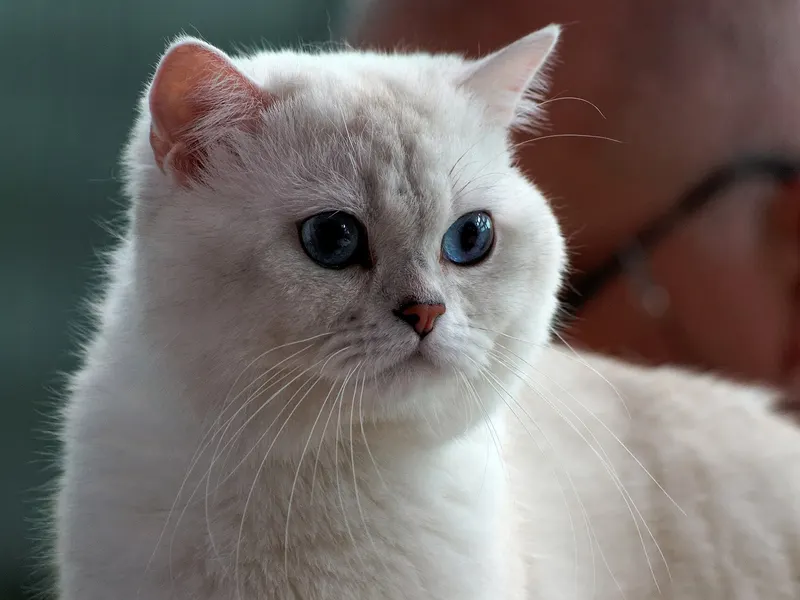
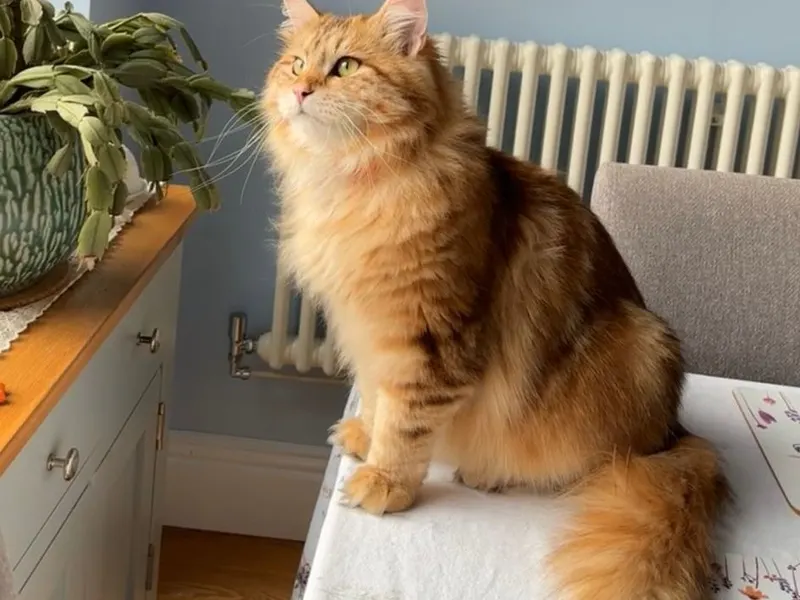
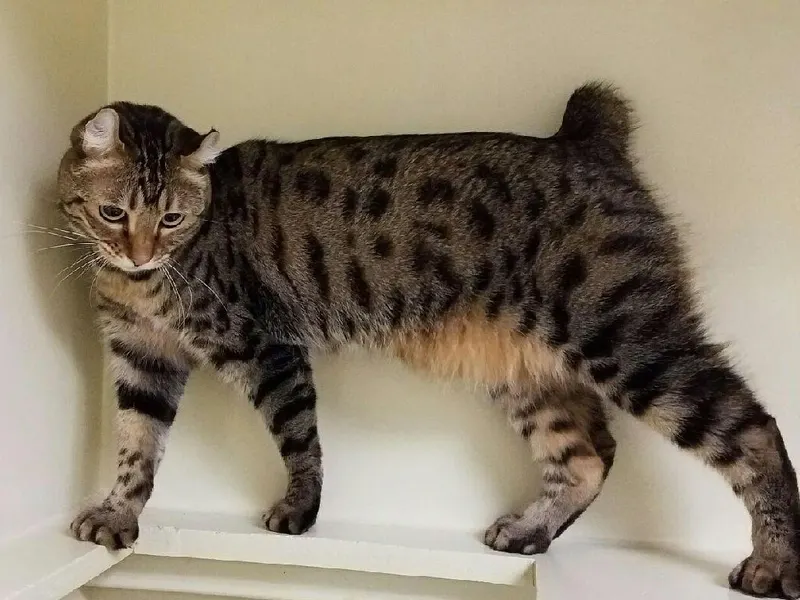
Breeds Linked to Polydactyly
Frequently Asked Questions
How many toes does a polydactyl cat have?
More than the usual 18. Six or seven toes per paw is common, and some cats have 26 or more in total.
Is polydactyly harmful to cats?
Usually not. The main care need is trimming the extra claws so they do not grow into the paw pads.
Why are polydactyl cats called Hemingway cats?
Ernest Hemingway's home in Key West houses many six-toed cats, said to descend from a cat given to him by a ship's captain.
Is a polydactyl cat a breed?
No. Polydactyly is an inherited trait that can appear in any cat, though it is linked to Maine Coon history and allowed in Pixiebobs.
Is polydactyly genetic?
Yes. It is usually caused by a dominant gene, so one polydactyl parent can pass it to many of its kittens.
Are polydactyl cats rare?
They are uncommon overall but fairly frequent in some regions, such as New England, Atlantic Canada and parts of the UK.
More About Cat Colors and Patterns
Looking for the right cat?
Answer 10 quick questions and get cat breeds ranked for your home, routine and family.