American CurlBackward-curling ears, forever kitten
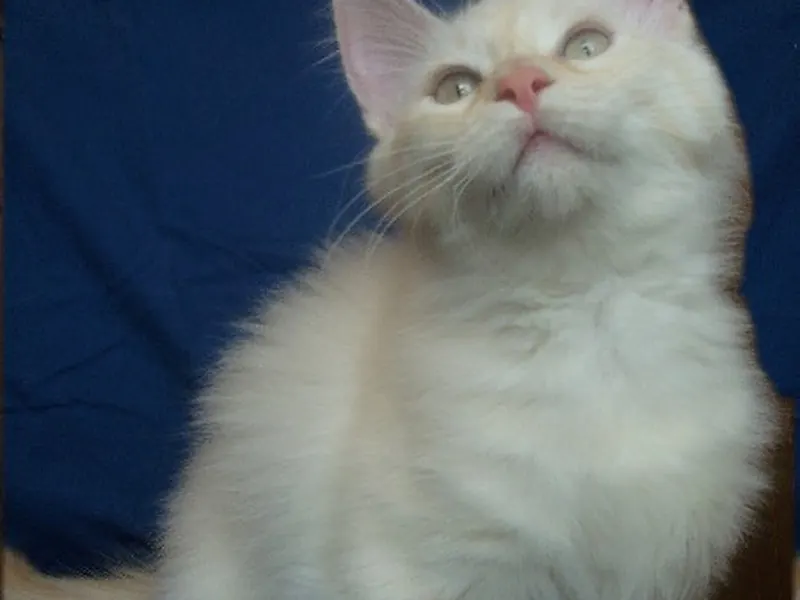
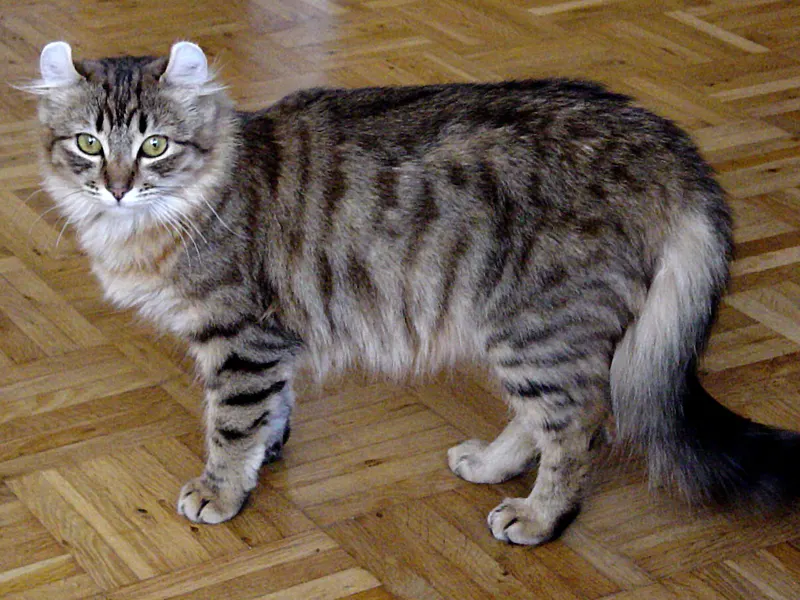
The American Curl is defined by its ears, which curl gently back from the face. The mutation arose naturally in a California stray, and the breed is known for a friendly, kittenish personality that lasts well into adulthood.
Why people love the American Curl
- Friendly, kitten-like personality into adulthood
- Usually good with children, cats and dogs
- Silky coat with little undercoat rarely mats
- Adapts quickly to new people and homes
- Healthy breed with no known skeletal problems
Things to consider
- Ears need gentle handling and weekly checks
- Narrow ear canals may trap wax
- Final ear shape uncertain before about 16 weeks
- Can learn to open doors and drawers
- Needs daily play to stay content
Is this breed right for you?
10 questions · live resultHistory and Origin
In 1981 Grace and Joe Ruga of Lakewood, California, took in a longhaired black stray kitten with unusual curled ears. They named her Shulamith. When she had kittens, some inherited the curled ears, showing the trait was dominant.
Breeders began a careful program using domestic cats as outcrosses to keep the gene pool broad. CFA accepted the American Curl for championship in 1993, and TICA and FIFe recognize it too. Both longhaired and shorthaired versions are accepted.
The curl gene is dominant, so a kitten needs only one curled-ear parent to inherit it. This allows breeders to keep outcrossing to straight-eared domestic cats, which helps genetic diversity. Straight-eared kittens from curl litters are called American Curl Straights and are often sold as pets.
Ears, Coats and Colors
The American Curl is a medium-sized, semi-foreign cat weighing roughly 5 to 10 lb, with a rectangular body and an elegant build. Males are typically larger than females.
The ears are the breed's signature. They curl back from the face in a smooth arc, with firm cartilage at the base. For showing, the curl should be at least 90 degrees and not more than 180 degrees. Kittens with less curl, or straight ears, are often sold as pets or as American Curl Straights.
Two coat types are accepted:
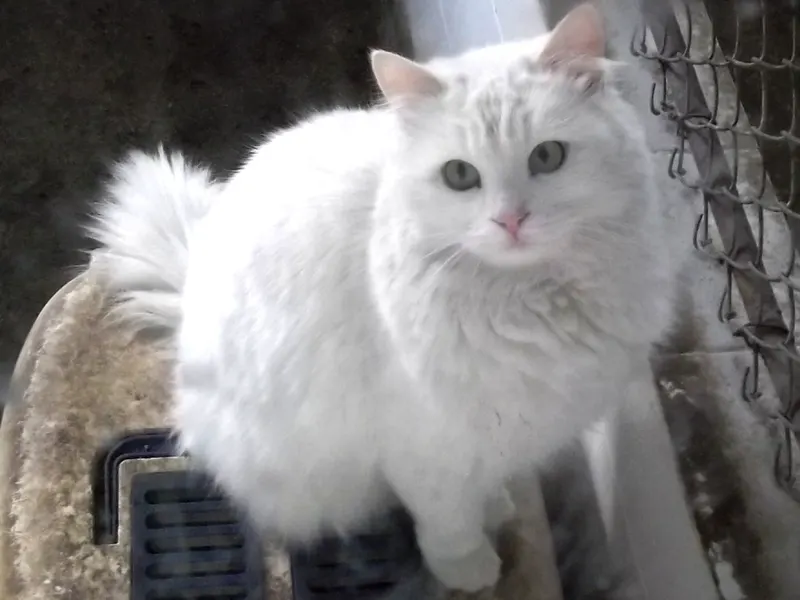
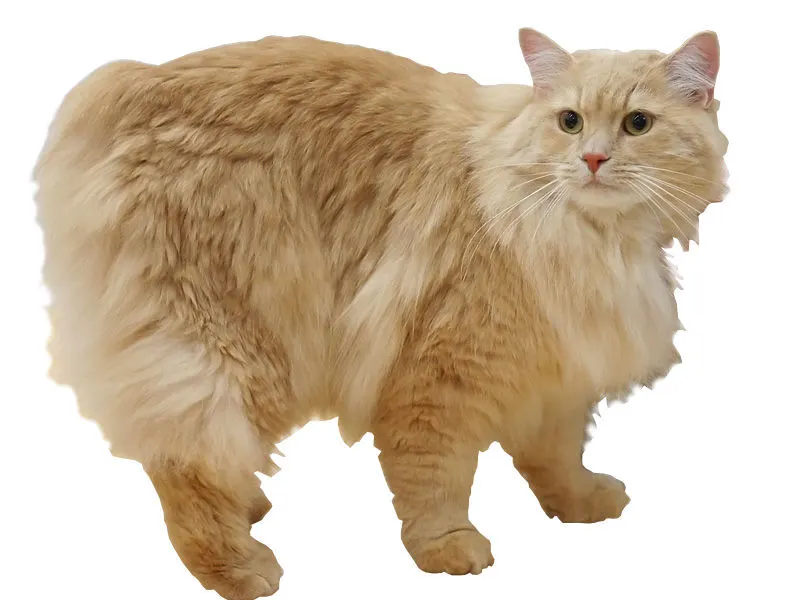
- Longhair: semi-long, silky and flowing, with a plumed tail
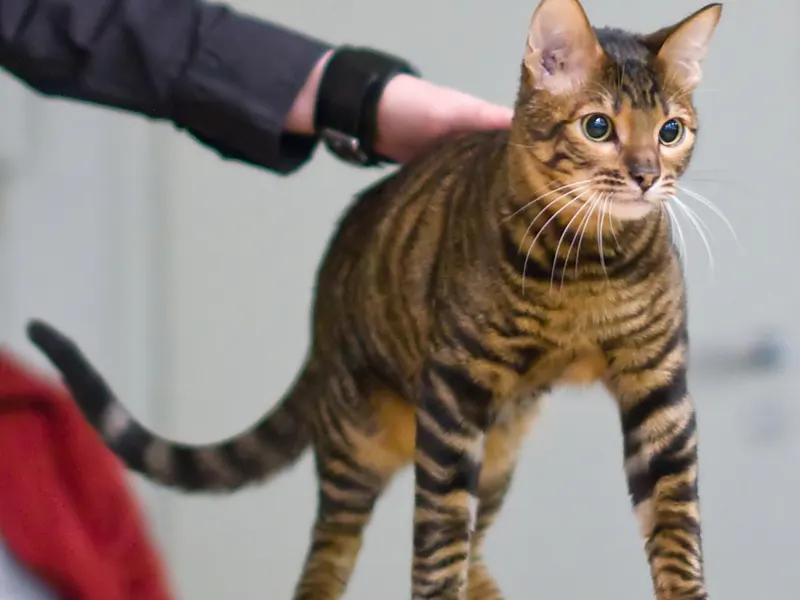
- Shorthair: soft, silky and lying close to the body
Both have little undercoat. All colors and patterns are accepted, including pointed, tabby, solid and bicolor. The eyes are walnut-shaped and moderately large, with no link between eye color and coat color except in pointed cats.
Personality and Temperament
American Curls are friendly, curious and people-oriented. They tend to stay playful and kitten-like into adulthood and are often described as adaptable and good-natured.
They are usually quiet and get on well with children, other cats and dogs. Most like to be near their people without being overly demanding.
Owners often describe Curls as Peter Pan cats because they keep their playful, curious nature into old age. Many adapt quickly to new homes and travel well. They are moderate talkers, using soft trills more often than loud meows.
Are American Curls Lap Cats?
Many are. American Curls are people-oriented and often enjoy settling on a lap after play, though they are not as clingy as some breeds.
Most Curls like to be near their people and will follow them around the house. They are playful and curious, so lap time often comes after a session of fetch or wand play. A Curl that has been handled frequently as a kitten is more likely to enjoy cuddling. Their adaptable nature means they usually fit in with the household's routine.
Are American Curls Good With Kids?
Yes, American Curls are usually very good with children. Their friendly, adaptable and playful nature makes them a popular family cat.
Children should learn to handle the ears gently, never folding or pulling them, as the cartilage is firm and can be damaged. Supervise young children during play, and provide the cat with high perches and quiet spots to retreat. Curls often enjoy interactive games with older children, such as fetch and wand toys. Their tolerance of new people and routines helps in busy households.
Can American Curls Be Left Alone?
Yes, for a normal workday. American Curls are adaptable and not overly demanding, so most cope well with moderate time alone.
They do enjoy company and play, so provide toys, climbing furniture and window perches. Puzzle feeders and a rotating selection of toys keep their curious minds busy. A second cat can help in homes where people work long hours. Because Curls can learn to open doors and drawers, secure cabinets, drawers and anything else you do not want them to explore while you are away.
Activity, Play and Enrichment
Curls are moderately to highly active.
- Daily play with wand toys and balls.
- Many learn to fetch and enjoy puzzle feeders.
- Cat trees and window perches give them climbing space.
They usually adapt quickly to new people and situations, which makes them good for families.
Because they are intelligent, many Curls enjoy simple trick training. Use treats and short sessions. They can also learn to open doors and drawers, so keep anything fragile out of reach.
Grooming and Shedding
Both coat types are silky with little undercoat, so matting is uncommon. Shorthairs need a weekly brush; longhairs need two brushings a week. Shedding is light to moderate.
Ear care: the ear cartilage is firm and should not be forced flat or unrolled. Clean only the visible parts of the ear gently and avoid inserting anything into the canal. The curled shape can trap wax, so check ears weekly.
Feeding and Nutrition
American Curls stay playful well into adulthood, but indoor cats can still gain weight if portions are not measured. Keep the elegant, medium build the breed is known for, with a visible waist and ribs easy to feel.
- Feed adults two or three measured meals a day rather than free-feeding.
- Kittens need more frequent meals until around six months.
- Use small treats for fetch games and trick training, deducting them from the daily diet.
Puzzle feeders suit the Curl's curious, problem-solving nature. Encourage drinking with a water fountain or wet food to support urinary health. The breed has no known diet-related conditions, and the curl gene does not affect what or how much a Curl should eat. Longhaired Curls may bring up occasional hairballs during seasonal sheds, which regular brushing helps reduce. If you notice frequent head shaking or ear scratching, check for wax buildup or infection; this is not a dietary issue but deserves a vet visit.
| Adult weight | Indoor, less active | Typical adult | Active or intact |
|---|---|---|---|
| 5 lb | 130 kcal | 160 kcal | 180 kcal |
| 8 lb | 180 kcal | 220 kcal | 260 kcal |
| 10 lb | 220 kcal | 260 kcal | 300 kcal |
Estimates use the resting energy formula veterinarians work with (70 × body weight in kg0.75) and standard activity factors. Use the feeding guide on your food as a starting point and adjust to body condition. Kittens, seniors, pregnant animals and pets that need to lose weight have different needs, so ask your vet.
Health and Lifespan
American Curls are considered a healthy breed and often live 12 to 16 years. Unlike the fold gene, the curl gene is not known to cause skeletal problems. Points to watch:
- Narrow ear canals can make some cats prone to wax buildup and ear infections.
- Otherwise, health issues are similar to the general cat population.
Kittens are born with straight ears that begin to curl within a few days and set at around 16 weeks, so a final ear shape cannot be guaranteed before then.
American Curl Price and Cost of Ownership
Typical breeder price in the US$1,000 to $2,500
An American Curl kitten from a reputable US breeder typically costs around $1,000 to $2,500. Prices vary by breeder, region and lines. Show-quality kittens with a strong ear curl cost more, while American Curl Straights are often less expensive.
Curls occasionally appear in rescues, but adoption options are limited. Some breeders also rehome retired adult cats at a lower cost.
Breed-specific ongoing cost drivers include:
- Ear cleaning supplies and vet visits for wax buildup or infections
- Interactive toys and puzzle feeders for an active, playful cat
- Cat trees and window perches
- Pet insurance, which is usually affordable for this healthy breed
Is the American Curl Right for You?
American Curls suit families, multi-pet homes and first-time owners who want a friendly, playful cat. They adapt well to indoor and apartment life.
If you want a show-quality ear shape, wait until a kitten is about four months old before choosing.
A Curl is a flexible, friendly companion that fits most homes. Choose a breeder who is open about health and who has handled kittens frequently, as socialization makes a big difference to adult temperament.
American Curl Traits at a Glance
American Curl FAQ
Why do American Curl ears curl?
A natural dominant mutation causes the ear cartilage to curl back. The gene was first found in a stray in California in 1981.
Is the ear curl painful or harmful?
No evidence suggests the curl causes pain. Unlike the fold gene, it is not known to cause skeletal disease, but ears should be handled gently.
How big do American Curls get?
Adults typically weigh 5 to 10 lb (about 2 to 4.5 kg).
Do American Curls shed?
Shedding is light to moderate, as the coat has little undercoat.
How long do American Curls live?
Typically 12 to 16 years.
How much does an American Curl kitten cost?
Pet-quality kittens in the US typically cost around $1,000 to $2,500, depending on breeder and region.