Turkish VanEnergetic, water-loving cat from Lake Van
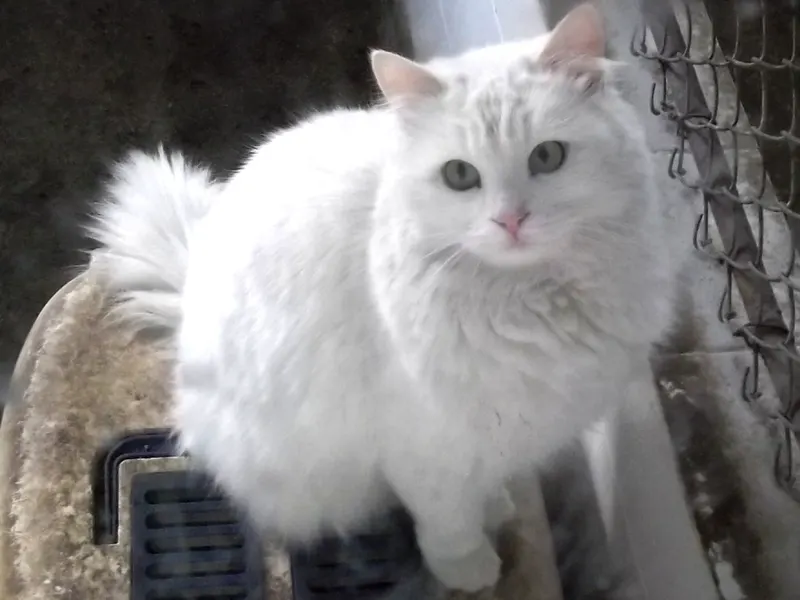
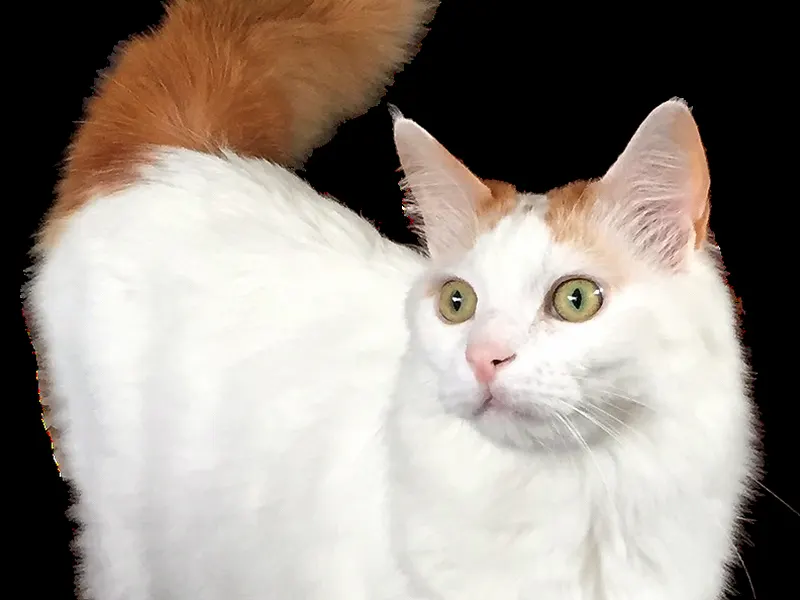
<p>The Turkish Van is a large, muscular semi-longhair with a mostly white body and color restricted to the head and tail, a pattern now called "van" after the breed. Its water-resistant coat and reputation for enjoying water earned it the nickname "swimming cat." It suits active, experienced owners who want a bold, playful cat more than a lap cat.</p>
Why people love the Turkish Van
- Highly intelligent and playful
- Water-resistant coat mats less than many longhairs
- Healthy, robust breed
- Forms close bonds with its people
- Striking van pattern
Things to consider
- High energy that lasts into adulthood
- Most dislike being held
- Can be bossy with other cats
- Climbs and knocks things off shelves
- Rare in the US; waitlists common
Is this breed right for you?
10 questions · live resultHistory and Origin
Cats with this pattern have long been associated with the Lake Van region of eastern Turkey. The modern breed began in 1955, when British photographers Laura Lushington and Sonia Halliday, traveling in Turkey, were given a pair of unrelated cats and brought them back to England. The pair bred true for the pattern, and later trips added more cats. The GCCF recognized the breed in 1969.
In the 1980s, Barbara and Jack Reark of Florida imported cats and promoted the breed in the US. CFA accepted it in 1988 and granted championship status in 1994; TICA and FIFe recognize it too. In Turkey, the name "Van kedisi" usually refers to a different, all-white local cat, often with odd eyes, which is a separate population from the pedigreed Turkish Van.
Size, Pattern and Coat
The Turkish Van is a large, muscular cat weighing 10 to 20 lb. Males are noticeably larger and heavier than females, with broader chests and heads. The breed matures slowly and may not reach full size until three to five years of age.
The body is long and sturdy, with a broad chest, strong legs and a long, brush-like tail. The head is a broad wedge with large ears and large, expressive eyes in amber, blue or one of each.
The defining feature is the van pattern:
- Mostly white body
- Color on the head, ideally divided by a white blaze
- A fully colored tail
- Occasional random spots on the body, sometimes called the thumbprint of Allah between the shoulders
Colors include red (auburn), cream, black, blue, tabby and tortoiseshell versions. The semi-long coat is soft and cashmere-like, without a woolly undercoat. The coat is fuller in winter and much shorter in summer.
Personality and Temperament
Turkish Vans are confident, busy and very intelligent. They form close bonds with their people and like being near you, but most dislike being held or restrained. Expect a cat that follows you around, supervises chores and then curls up beside you on its own terms.
They can be bossy with other cats and are often wary of strangers. They do best with older children who understand that the cat decides when cuddles happen. Many get along well with confident dogs after slow introductions.
Is the Turkish Van a Lap Cat?
No, the Turkish Van is usually not a lap cat; it prefers being near you rather than on you.
Vans are affectionate and form close bonds, but they dislike being held or restrained. They often follow their owner from room to room, supervise chores and curl up beside them on their own terms. Some individuals enjoy short cuddles, especially later in life. Respecting the cat's preferences builds trust. Owners who want a cat to carry around or hold for long periods may find another breed more suitable. Sitting close by while you work is a typical Van compromise.
Can Turkish Vans Live with Dogs?
Yes, many Turkish Vans live well with confident, cat-friendly dogs after slow introductions.
Their bold, confident nature means they often hold their own with dogs and may even take charge. Introduce them gradually, starting with separate spaces and scent swapping, then short supervised meetings. Give the cat high perches and escape routes. Dogs with strong prey drive or rough play styles are not suitable. Once settled, many Vans enjoy playing with dogs and may even share water games. Keep the litter box in a dog-free spot.
Are Turkish Vans Destructive?
Turkish Vans are not destructive by nature, but their high energy and intelligence can lead to mischief when they are bored.
A bored Van may open cabinets, knock items off shelves, climb curtains or play with water in sinks and bowls. Providing tall, stable cat trees, shelves, puzzle feeders and daily interactive play reduces these behaviors. Scratching posts should be sturdy and tall enough for a large cat. Secure breakables, keep toilet lids closed and consider childproof latches on cabinets. A well-stimulated Van is usually a well-behaved one.
Activity, Play and Enrichment
Energy is high and lasts well into adulthood. Turkish Vans are powerful jumpers and climbers.
- Give them tall, stable cat trees and shelves; they like the highest point in the room.
- Many enjoy fetch and chase games with toys made of feathers or fur.
- Water play is popular: a shallow tub, a pet fountain or a dripping tap can entertain them. Keep toilet lids closed and supervise around bathtubs and pools.
- Puzzle feeders and training sessions use their problem-solving skills.
A bored Turkish Van will make its own fun by opening cabinets and knocking things off shelves.
Grooming and Shedding
The semi-long coat is single-layered with a soft, cashmere-like texture and no woolly undercoat, so it mats less than many longhairs. Weekly combing is usually enough. The coat is fuller in winter and much shorter in summer, with heavier shedding during the spring change. Thanks to its texture, it dries quickly after contact with water.
Color appears mainly on the head and tail, classically auburn (red), but cream, black, blue and tabby versions also exist. Eyes may be amber, blue or one of each.
Feeding and Nutrition
The Turkish Van is a large, slow-maturing cat, and kittens need a growth formula for their first year. Adult portions should match body condition rather than size alone: ribs should be easy to feel and a waist visible from above. The breed loves food, and weight gain is the main day-to-day risk, especially after neutering.
- Feed kittens three or four meals a day and adults two or three.
- Use puzzle feeders to slow eating and add mental activity.
- Count treats as part of the daily ration.
- Weigh adults regularly; muscle can hide extra fat.
Many Vans are fascinated by water, which can be used to encourage drinking. A pet fountain often increases water intake, supporting urinary health. Be prepared for tipped bowls and splashing; heavy, wide water dishes help.
Active play before meals mimics the natural hunt-eat-rest cycle and helps keep energy balanced. Dental care, including regular brushing and checkups, is important for all cats.
| Adult weight | Indoor, less active | Typical adult | Active or intact |
|---|---|---|---|
| 10 lb | 220 kcal | 260 kcal | 300 kcal |
| 15 lb | 290 kcal | 350 kcal | 410 kcal |
| 20 lb | 370 kcal | 440 kcal | 510 kcal |
Estimates use the resting energy formula veterinarians work with (70 × body weight in kg0.75) and standard activity factors. Use the feeding guide on your food as a starting point and adjust to body condition. Kittens, seniors, pregnant animals and pets that need to lose weight have different needs, so ask your vet.
Health and Lifespan
The Turkish Van is generally considered a healthy, robust breed and commonly lives 12 to 17 years. No major breed-specific inherited disease is well established. Hypertrophic cardiomyopathy (HCM) has been reported in some individuals, as in many breeds, so ask whether breeding cats are screened.
As a large, food-loving cat, the main day-to-day risk is weight gain, especially after neutering. Unlike many mostly white cats, the van pattern is not usually linked to deafness, but any white cat with blue eyes is worth a hearing check.
Turkish Van Price and Cost of Ownership
Typical breeder price in the US$800 to $2,000
A Turkish Van kitten from a reputable US breeder typically costs about $800 to $2,000. Prices vary by breeder, region and lines. The breed is rare in the US, so expect waitlists and possibly travel or shipping costs. Rescues rarely have pedigreed Vans, though van-patterned domestic cats are sometimes available.
Breed-specific cost drivers include:
- Tall, sturdy cat trees and shelves for a large, active climber
- HCM heart screening of breeding cats
- Pet insurance for a long-lived cat
- Food for a large cat
- Hearing tests for blue-eyed cats
Grooming costs are low, as the coat needs only weekly combing. Water fountains are a worthwhile purchase for this water-loving breed.
Is the Turkish Van Right for You?
A Turkish Van suits active homes with room to climb, people who enjoy an interactive, clever cat and owners comfortable with a pet that is affectionate but not cuddly. It is not ideal for families with toddlers, very quiet households or anyone who wants a cat to carry around.
The breed is rare in the US, so expect a waitlist. Pet kittens typically cost about $800 to $2,000, with prices varying by breeder and region.
Turkish Van Traits at a Glance
Turkish Van FAQ
Do Turkish Van cats really like water?
Many do enjoy playing with water, and their coat dries quickly. Not every individual will swim, so never force a cat into water.
How big do Turkish Van cats get?
Adults usually weigh 10 to 20 lb (about 4.5 to 9 kg), and males can be quite large. They mature slowly, often over three to five years.
Is a Turkish Van the same as a Turkish Angora?
No. They are separate breeds from different parts of Turkey. The Turkish Van is larger and more muscular, while the Angora is fine-boned and elegant.
Are Turkish Van cats good with kids?
They are best with older, respectful children, as most dislike being picked up or held.
Do Turkish Vans shed?
Moderately, with a noticeable shed in spring when the winter coat drops. Weekly combing helps.
How long do Turkish Van cats live?
Commonly 12 to 17 years.