Orange Cat BreedsGinger, red and cream coats explained
This list shows breeds where orange, red or warm ginger-toned coats are common or characteristic. Orange is a color set by genetics, not a breed, and it appears in many breeds and in countless mixed-breed cats. This page explains the genetics and helps you find a breed that fits your home as well as your color preference.
All Orange Cat Breeds A to Z
The Genetics of Orange Cats
True orange comes from a gene on the X chromosome. A male has one X, so a single copy of the orange gene makes him orange. A female has two X chromosomes and needs two copies to be fully orange; with one copy she is usually tortoiseshell or calico. That is why most orange cats are male, while orange females are less common.
Orange cats almost always show some tabby striping, even if faint, because the orange pigment does not hide tabby markings the way solid black can. Cream is the diluted version of orange.
Calico and tortoiseshell males do occur, but they are rare and usually carry an extra X chromosome, which typically makes them sterile.
Breeds With True Red Coats
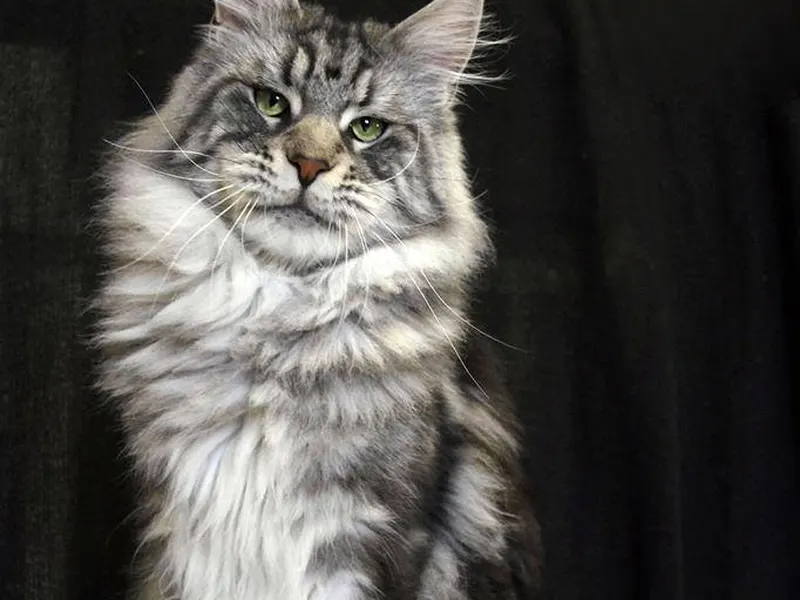
- Maine Coon: red and red tabby Maine Coons are widely recognized.
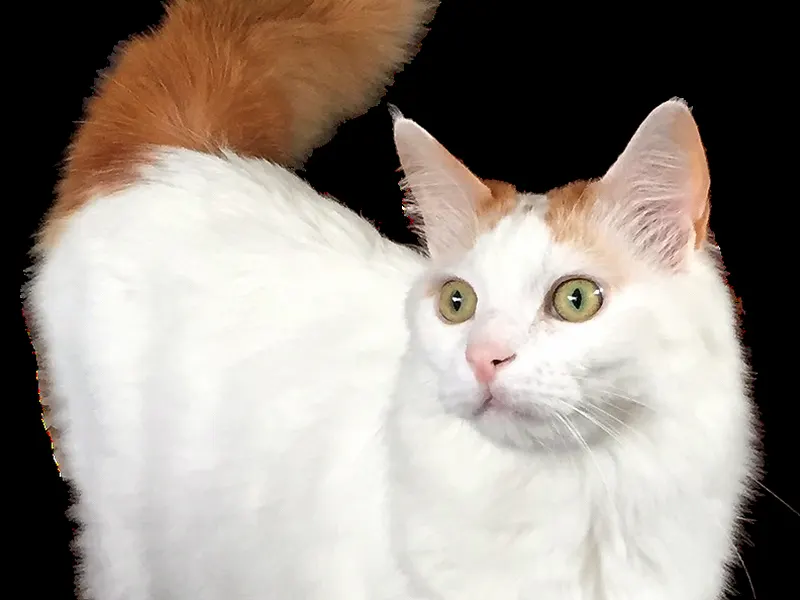
- Turkish Van: the classic look is a white body with auburn, or red, markings on the head and tail.
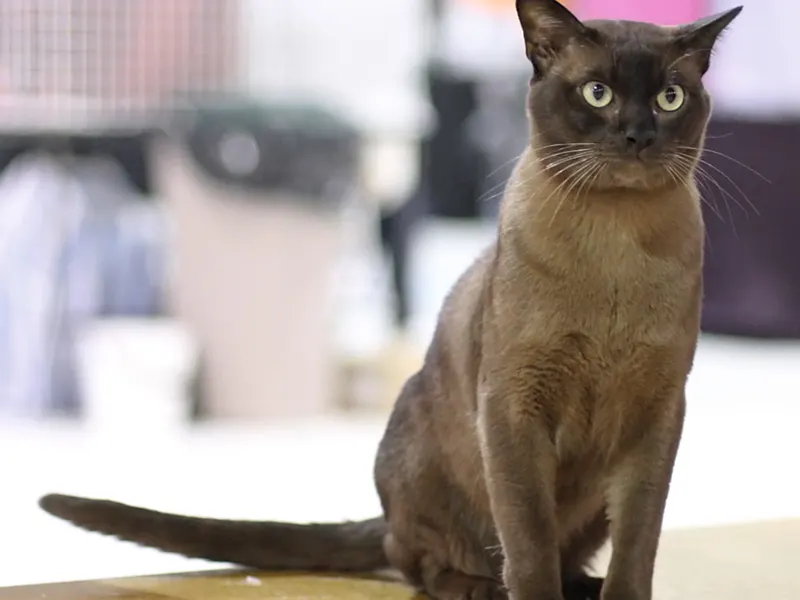
- Burmese: in Europe and the UK, red and cream Burmese are recognized colors.
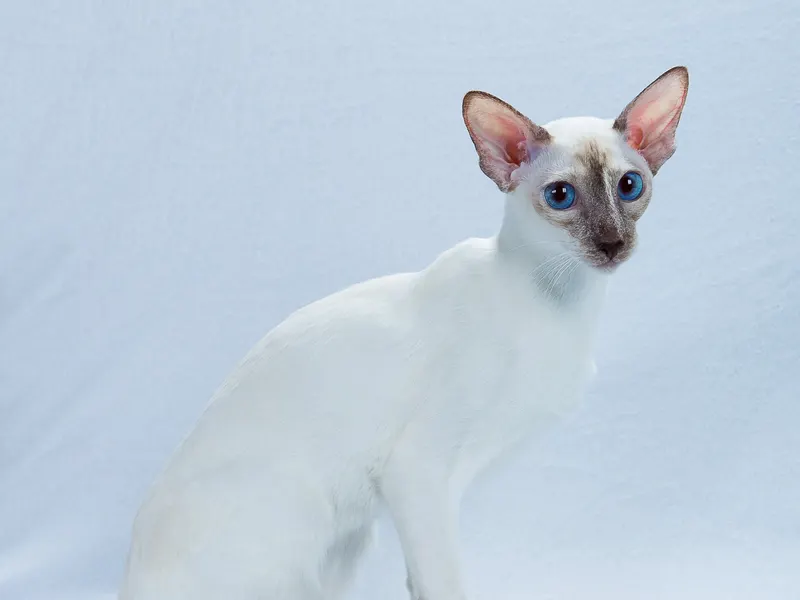
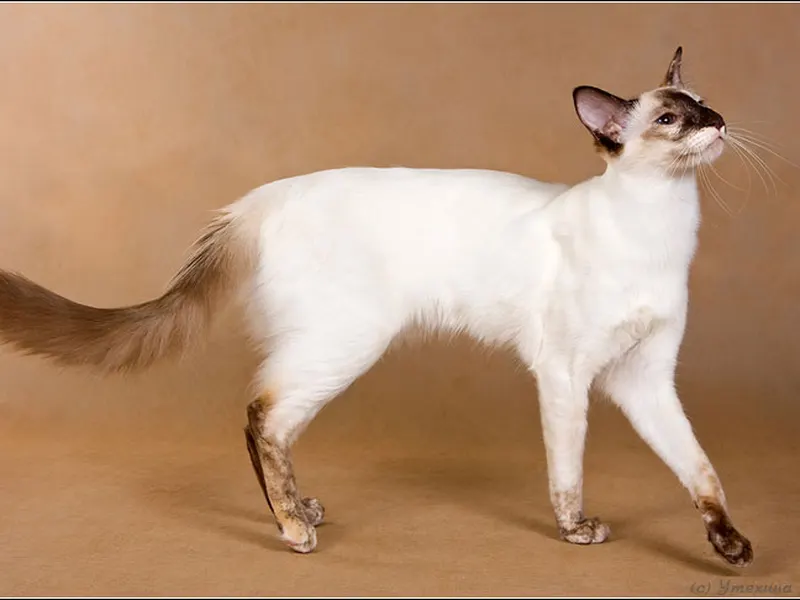
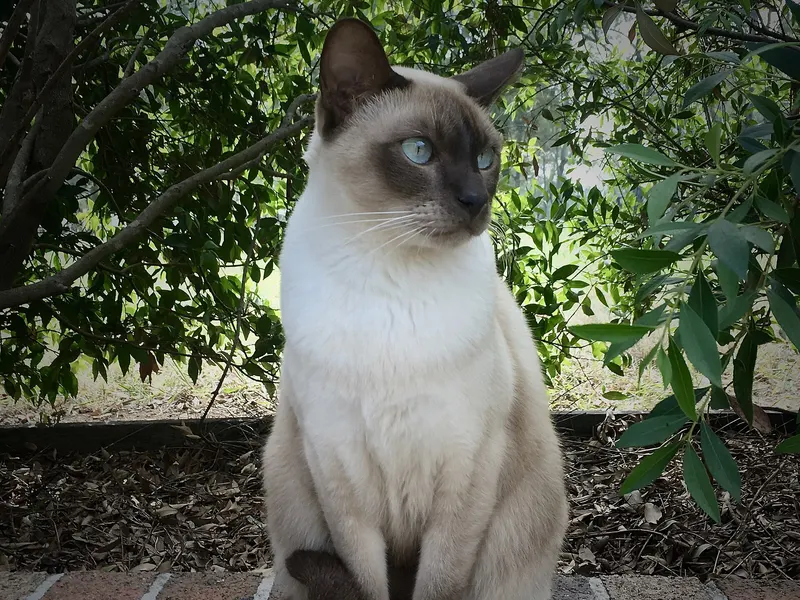
- Colorpoint Shorthair and Javanese: red points on a pale body, depending on the registry.
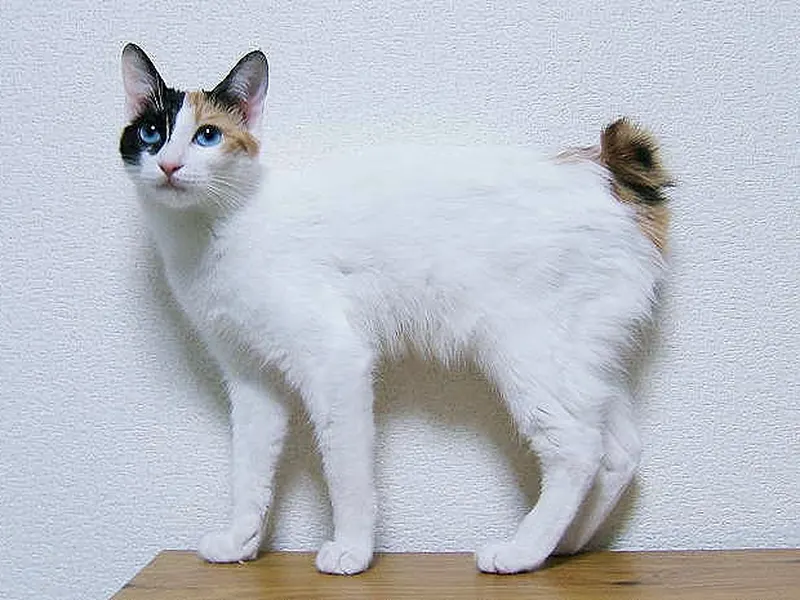
- Japanese Bobtail: the tricolor mi-ke pattern includes red patches.
Warm Coats That Are Not Genetically Orange
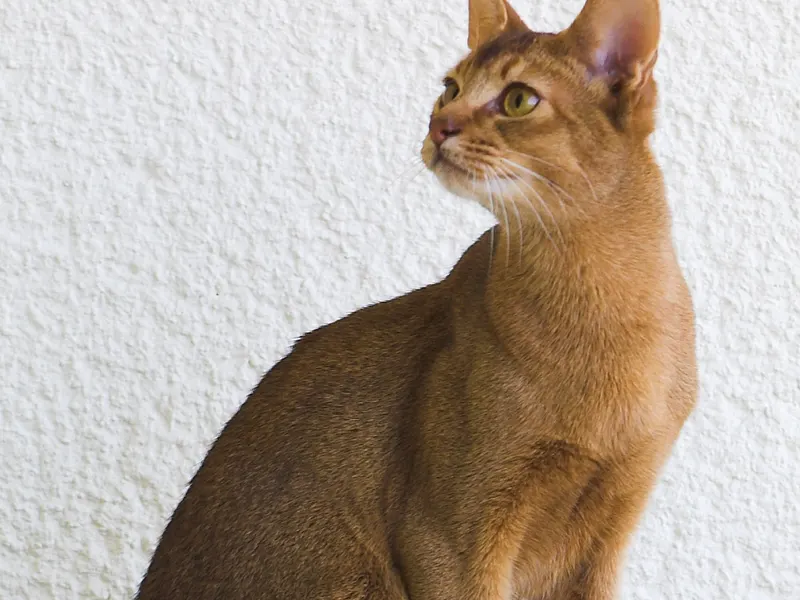
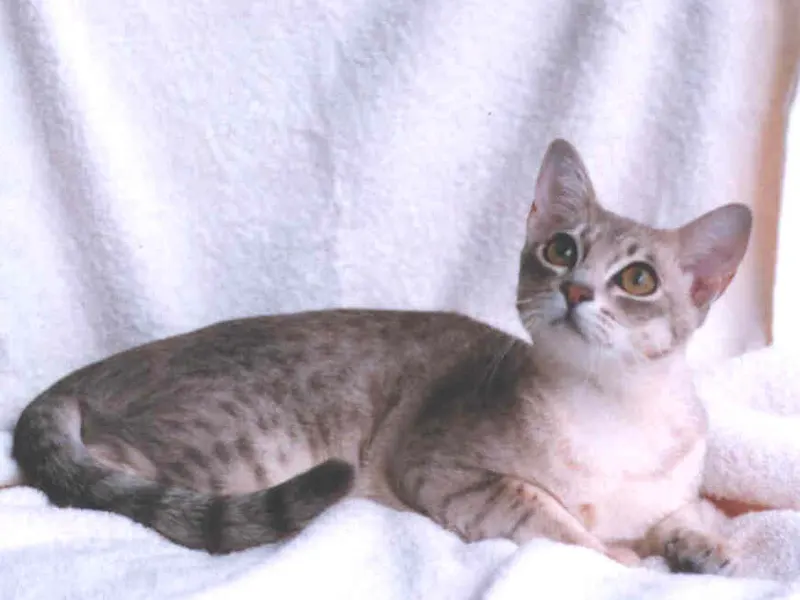
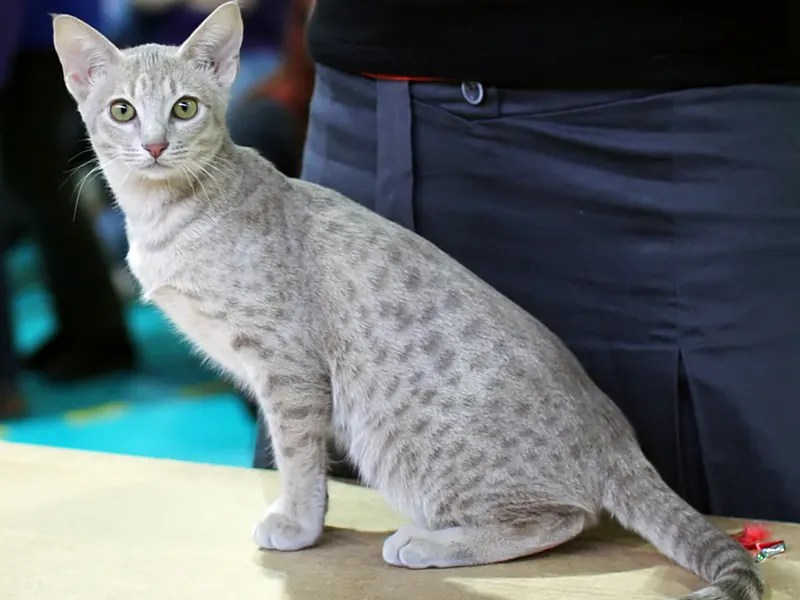
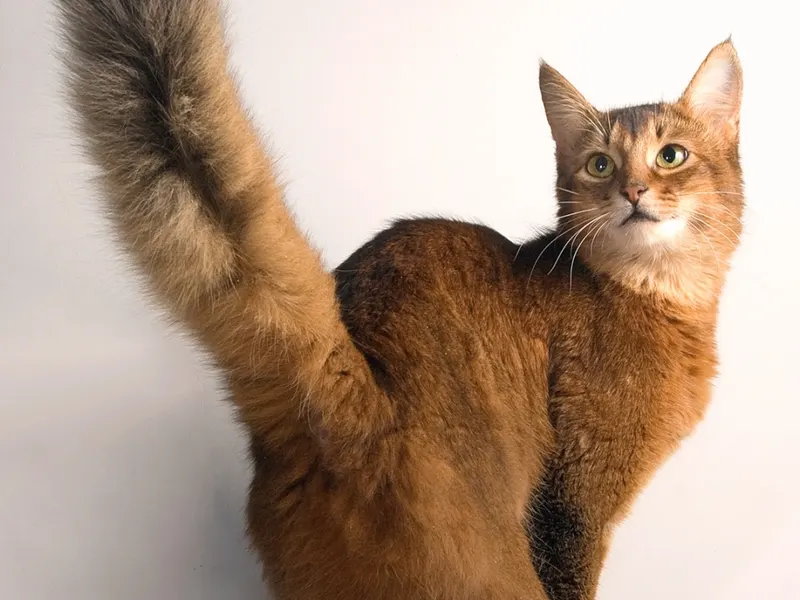
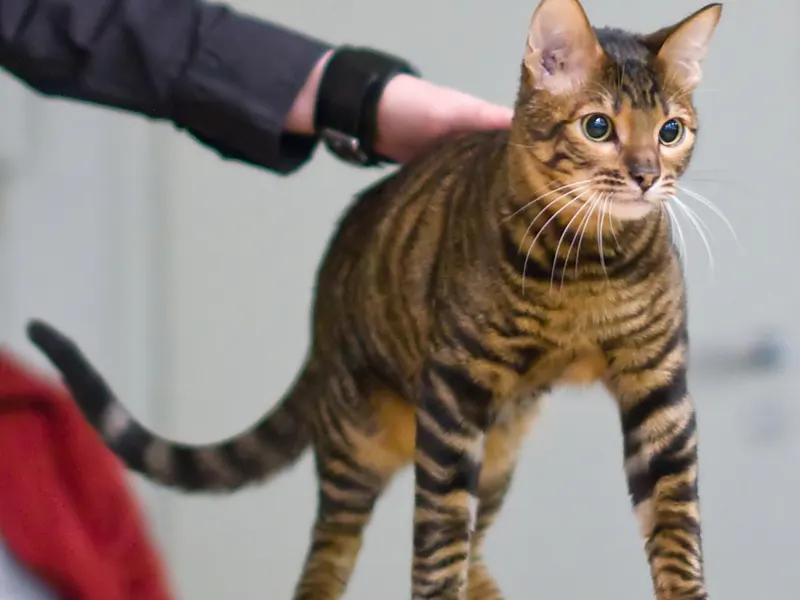
Some breeds look orange but get their color from other genes. The Abyssinian and Somali in red, also called sorrel, have a warm coppery coat based on the cinnamon gene rather than the orange gene, so both sexes are equally common. The Toyger and Ocicat have warm, glowing tabby coats that can read as orange in photos. The Australian Mist also comes in warm-toned colors such as gold and peach.
Is Orange Linked to Personality?
Many owners describe orange cats as friendly and outgoing, but there is no strong scientific evidence that coat color determines temperament. Breed, early socialization and individual personality matter far more. Because orange cats are mostly male, some of their reputation may simply reflect typical male behavior.
What does differ is breed. A red Maine Coon will still have the Maine Coon's size and coat, while an orange domestic shorthair will reflect its own mixed background.
Choosing an Orange Cat
Choose the breed first and the color second. A red Maine Coon and a red Burmese share a color but differ hugely in size, coat and energy. Shelters have plenty of orange mixed-breed cats in every coat length, so adoption is an easy way to find a ginger cat.
Orange and cream cats often develop small dark freckles on the lips, nose and eyelids with age. These are usually harmless, but any spot that grows, bleeds or becomes raised should be checked by a vet.
Frequently Asked Questions
Is the orange cat a breed?
No. Orange is a coat color controlled by genetics. It appears in several pedigree breeds and is very common in mixed-breed cats.
Why are most orange cats male?
The orange gene sits on the X chromosome. Males need one copy to be orange, while females need two, so orange males are much more common.
Are orange female cats rare?
They are less common than orange males, but not extremely rare. A female needs the orange gene from both parents.
Do orange cats have different personalities?
Owners often describe them as friendly, but there is no strong evidence that color controls temperament. Breed and upbringing matter more.
What is the difference between orange, red and ginger cats?
They describe the same color. Breeders and registries usually say red, while most pet owners say orange or ginger.
Not sure which cat breed fits you?
Answer 10 quick questions and get cat breeds ranked for your home, schedule and family.