Best Cat Breeds for FamiliesPatient, sturdy cats for busy households
Breeds on this list combine a tolerant temperament, a sturdy build and a sociable nature, three traits that matter in a home with children. Use it to narrow your search, then meet the actual cat, since individual personality counts as much as breed.
Top 10 Cat Breeds for Families
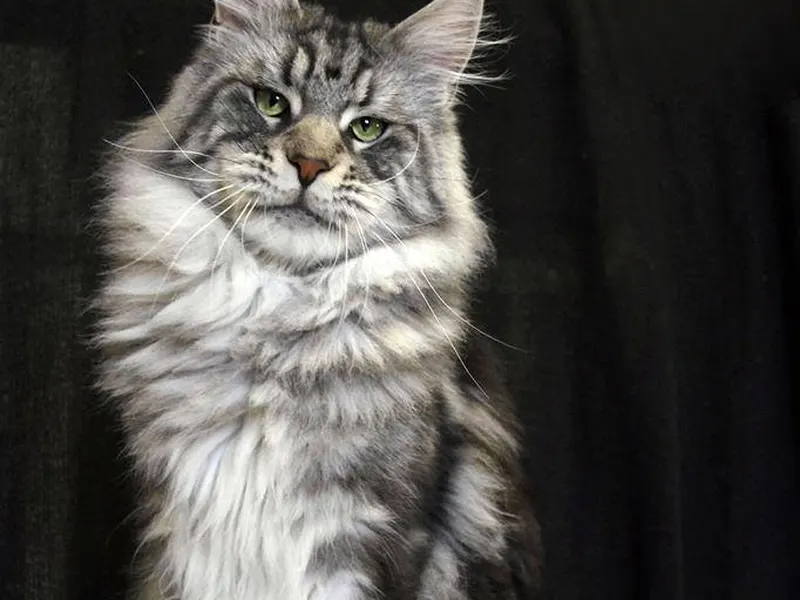
Large, sturdy and good-natured, Maine Coons usually tolerate busy homes and enjoy playing with older children.
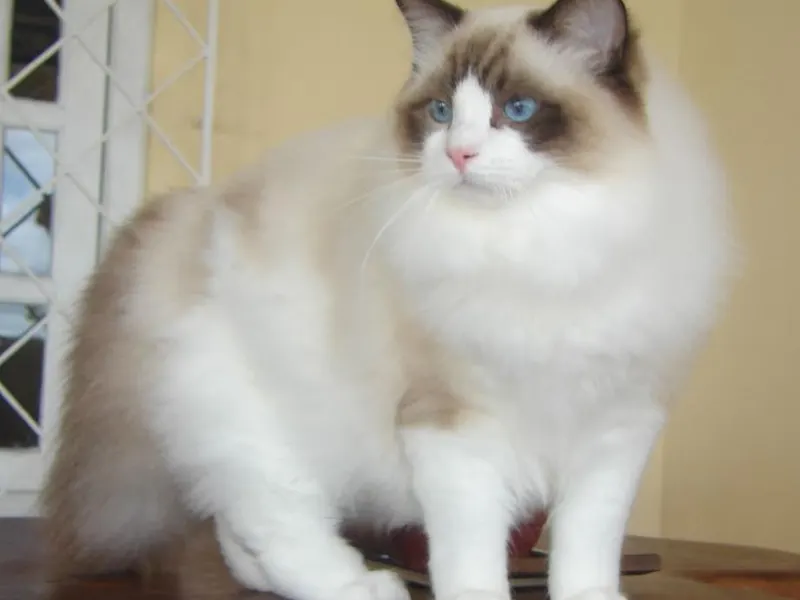
Calm and gentle, Ragdolls generally accept handling well, though their relaxed nature means kids must be supervised.
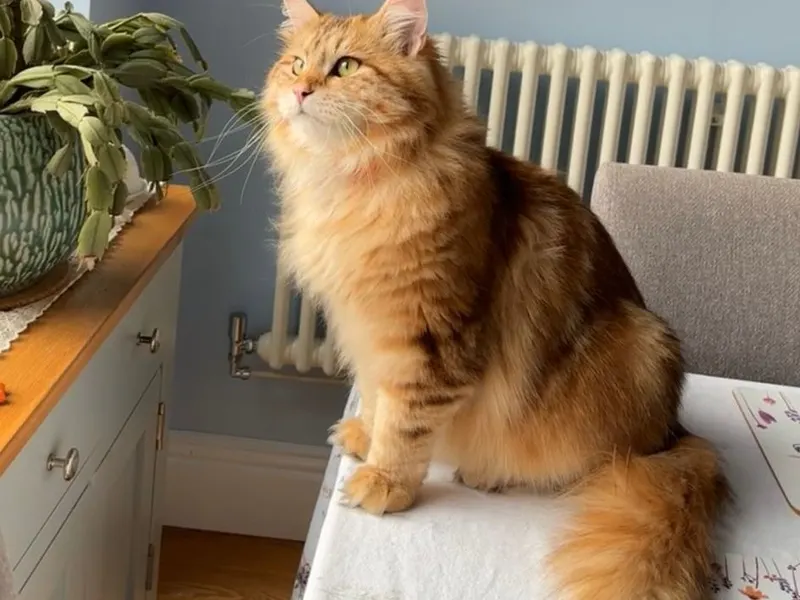
A robust, playful and social cat that tends to cope well with noise and household activity.
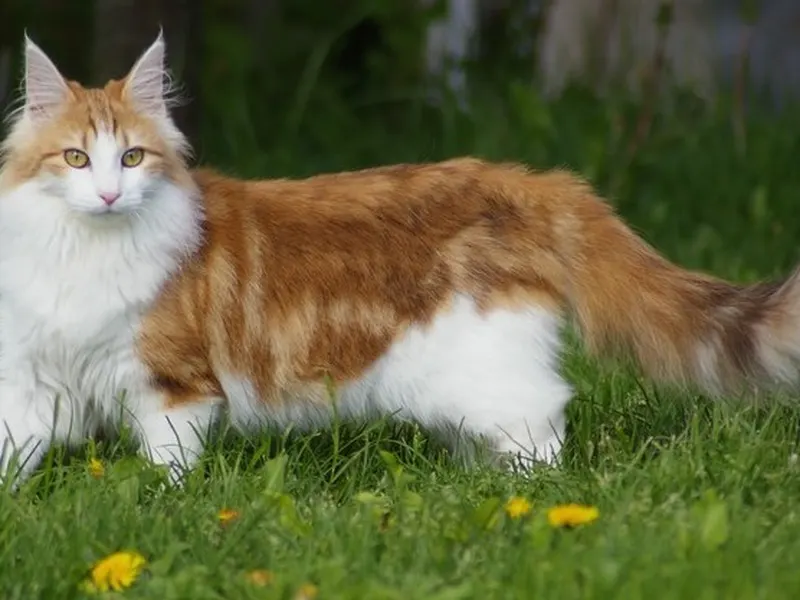
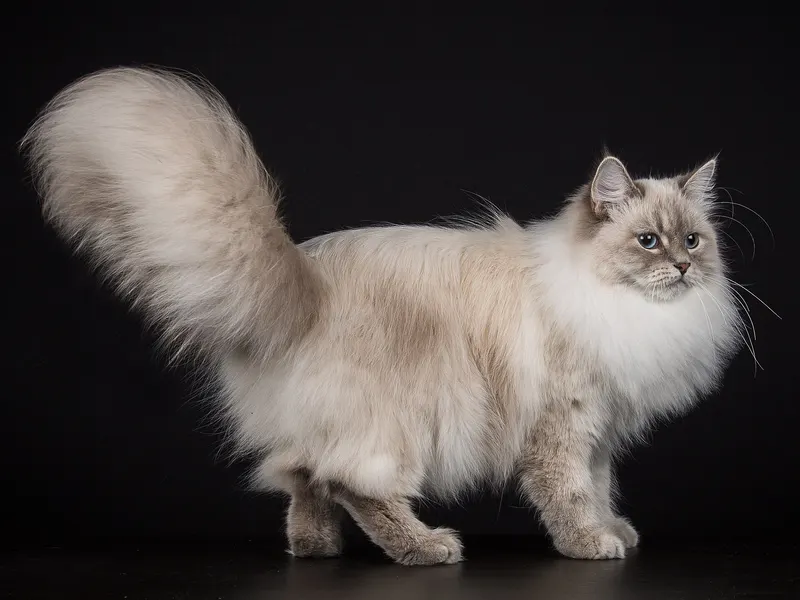
Friendly but not clingy, this sturdy climber handles family life calmly and appreciates a tall cat tree.
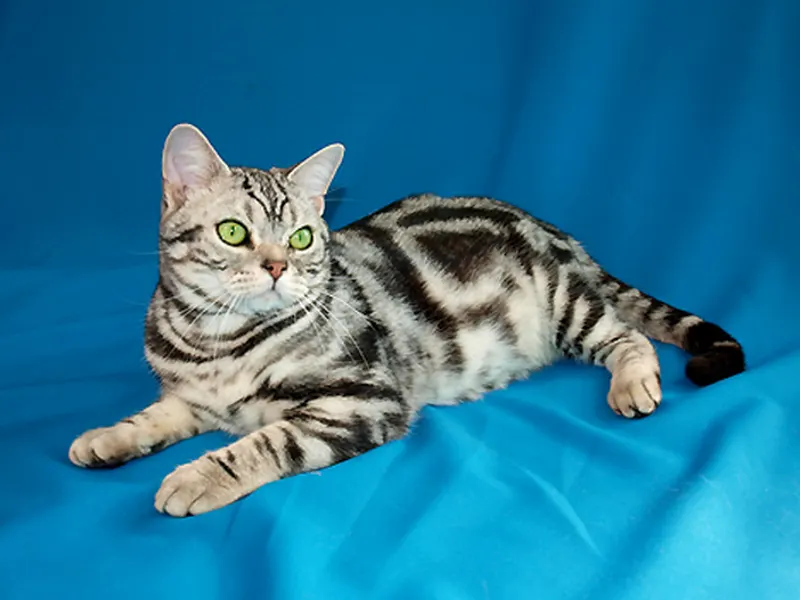
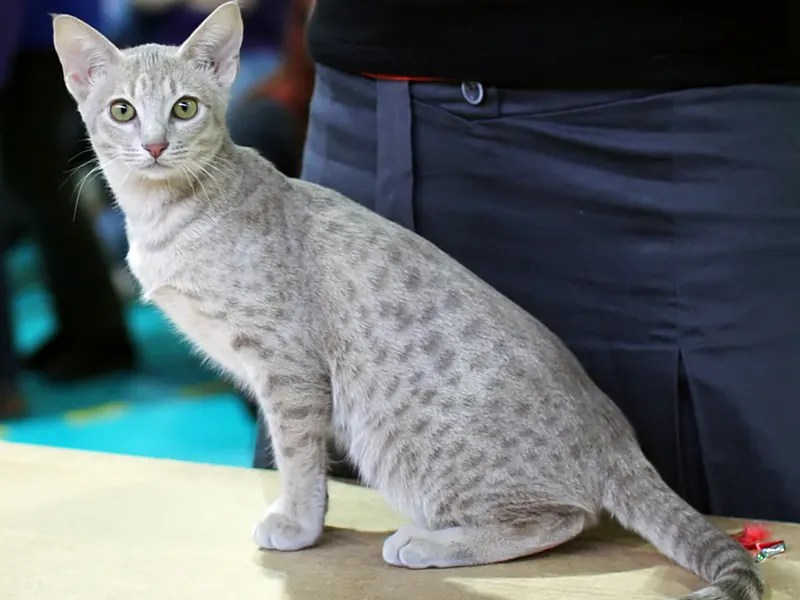
Even-tempered, adaptable and hardy, a classic low-drama choice for households with children.
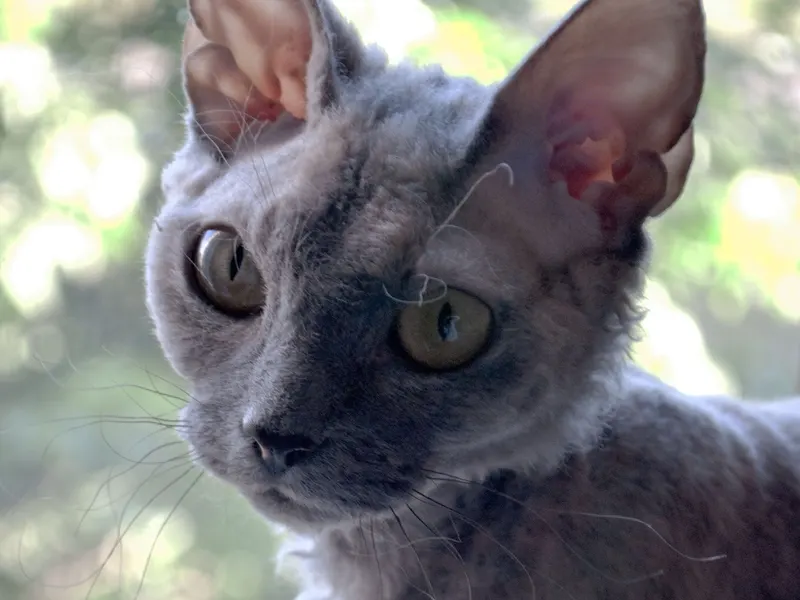
Playful and people-loving, Devons enjoy games with kids, though their fine coat and slim frame need gentle hands.
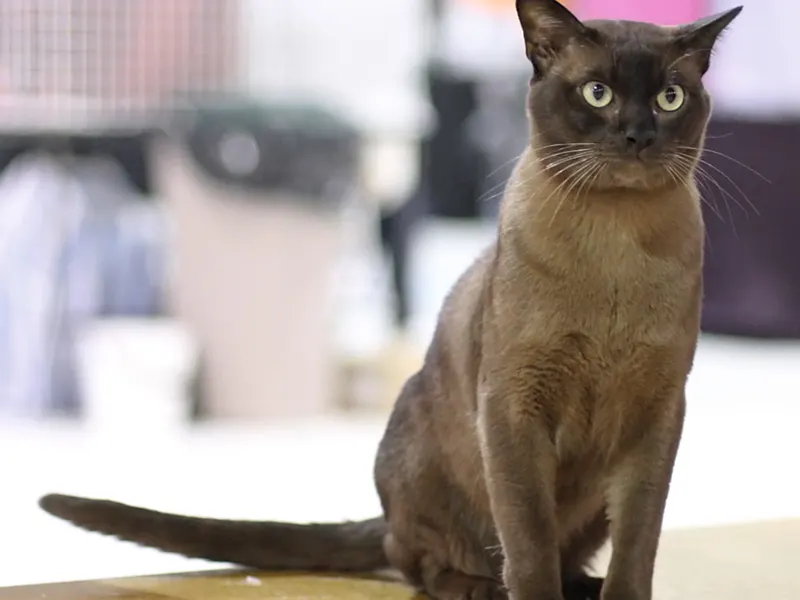
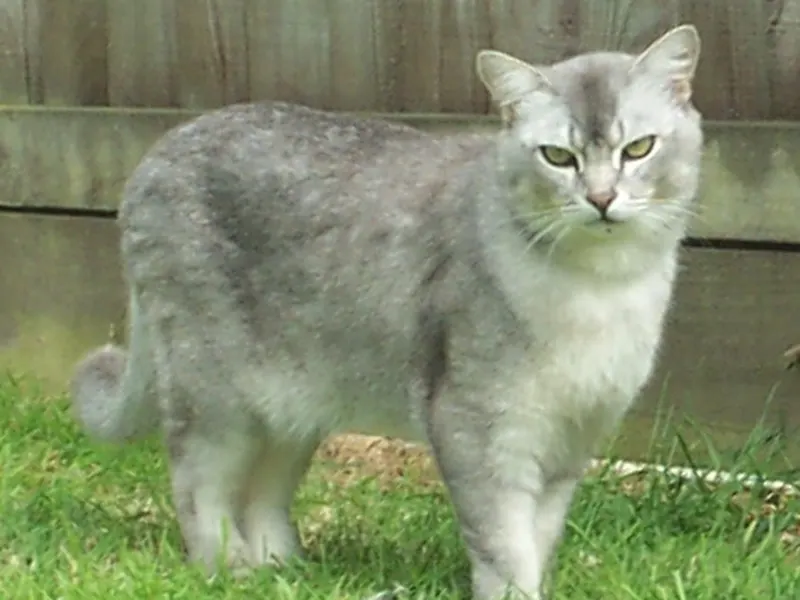
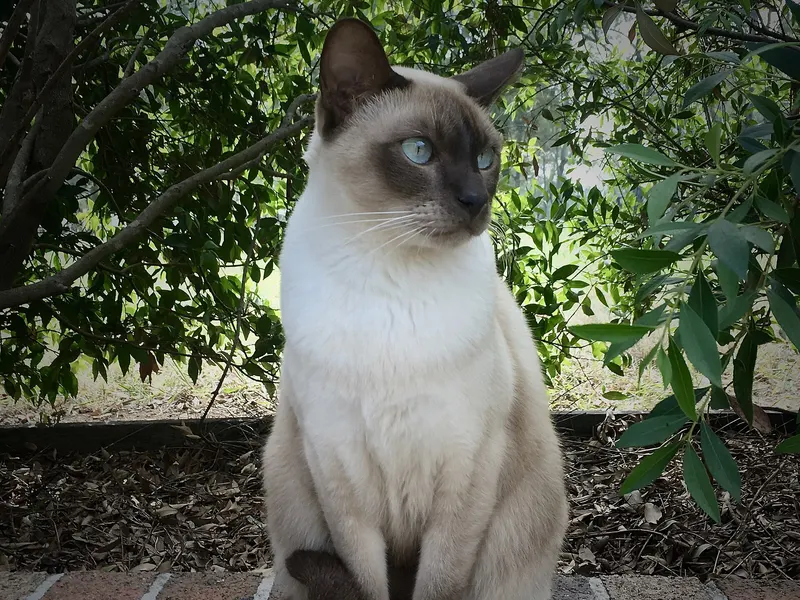
Social and solid for its size, the Burmese likes to be involved in everything the family does.
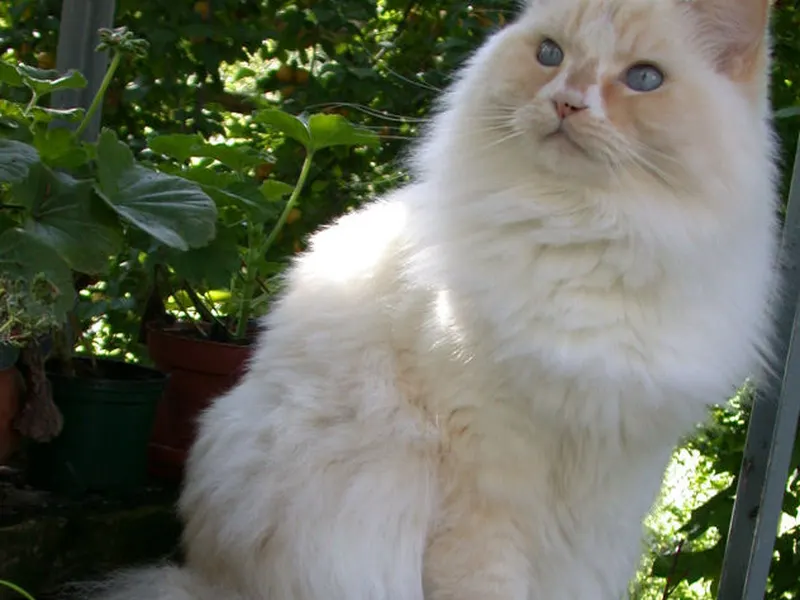
A heavy, mellow cat that typically enjoys being held and stays patient in lively homes.
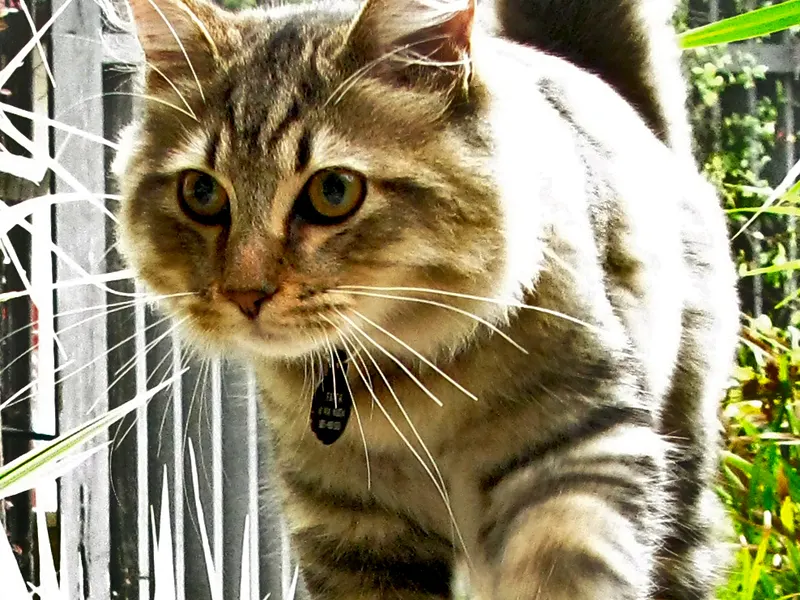
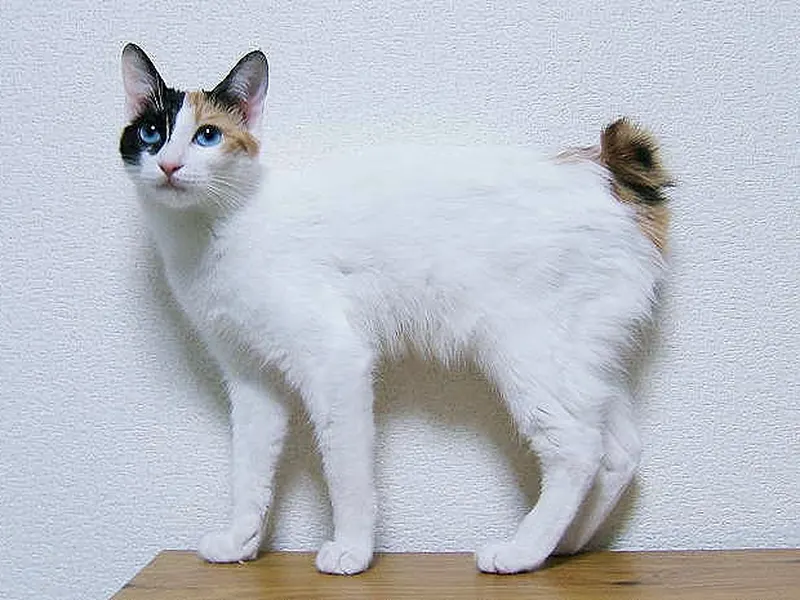
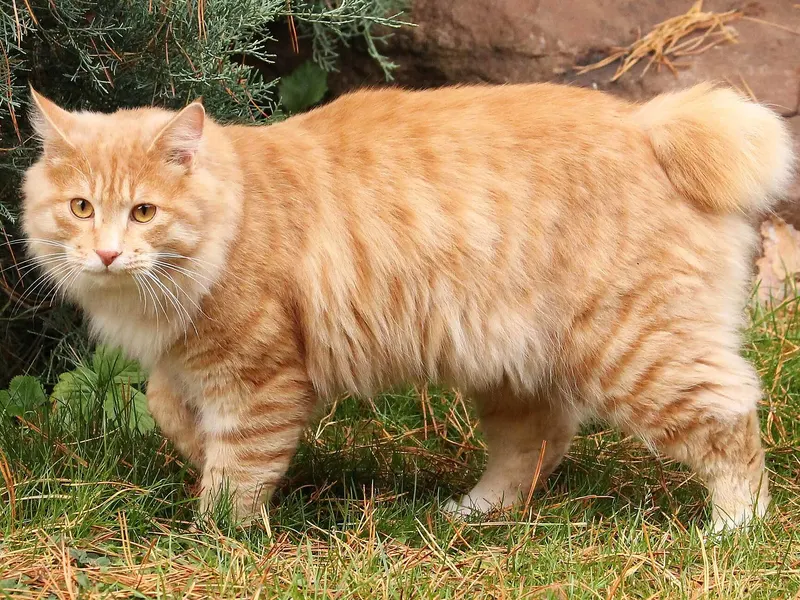
Playful, confident and adaptable, with a bobbed tail and a relaxed attitude toward family chaos.
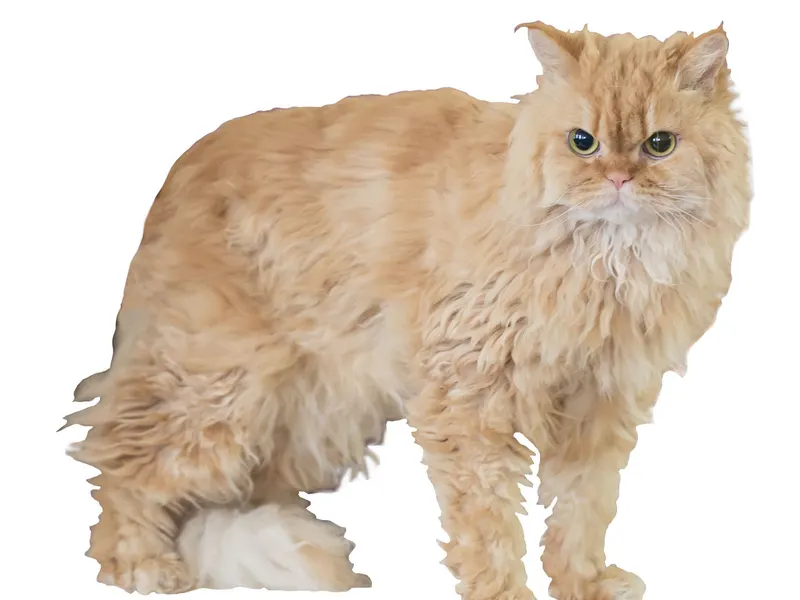
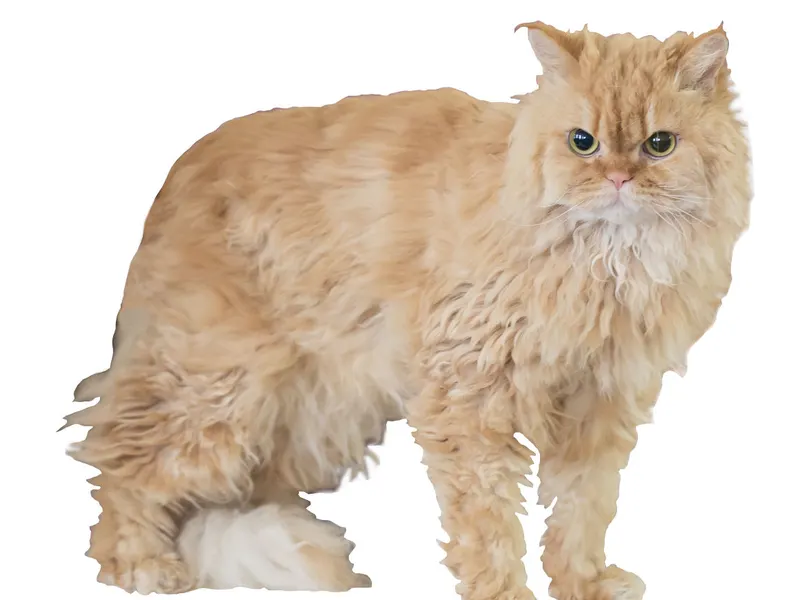
A patient, sturdy curly-coated cat with an easygoing nature that suits respectful children.
All Family-Friendly Cat Breeds A to Z
What Makes a Cat Good for Families?
- Tolerance: stays calm when the house is noisy and recovers quickly from surprises.
- Sturdiness: a solid body handles accidental bumps better than a tiny, fragile cat.
- Sociability: enjoys people but does not need constant attention from one person.
- Playfulness: joins in games, which helps kids bond with the cat safely.
Breeds such as the Maine Coon, Siberian and American Shorthair tick most of these boxes.
Kitten or Adult Cat?
Kittens are cute but fragile, and they scratch and bite during play. For families with children under about six, an adult cat with a known calm temperament is often the better choice. Many shelters and breed rescues can tell you how an adult cat behaves with children, which removes much of the guesswork.
Older kids can do well with a kitten if they help with feeding, play and litter duties under supervision.
If you adopt, ask whether the cat has lived with children before and how it reacted. Foster homes are especially useful here, because foster carers see the cat in a real household rather than a shelter room.
Rules That Keep Kids and Cats Safe
- Pick the cat up with two hands, supporting the back legs.
- Never pull tails, ears or fur.
- Leave the cat alone when it is eating, sleeping or in the litter box.
- Use wand toys, not hands, for play.
Give the cat high perches and a quiet room where children are not allowed. A cat that can escape is far less likely to scratch.
Common Mistakes Families Make
Choosing on looks alone is the most common one. A high-energy breed such as a Bengal can overwhelm a busy household, while a very shy cat may hide from toddlers. Another mistake is underestimating care: long-haired breeds like the Maine Coon and Ragdoll need regular brushing, and large breeds need big litter boxes.
Finally, plan for the long term. Cats commonly live into their mid-teens, so the cat you choose now may still be with you when your children leave home.
Health Notes
Ask breeders about screening for hypertrophic cardiomyopathy in Maine Coons and Ragdolls, and look for a written health guarantee. If anyone in the family has allergies, spend time with the cat before committing, since no breed is truly hypoallergenic.
Families should also budget for routine care: annual vet checks, vaccines, parasite control and dental care. Kids can learn responsibility by helping with simple tasks like refilling water and brushing a calm cat, while an adult keeps track of health and feeding.
Indoor cats in busy homes also need enrichment. Window perches, scratching posts in the main rooms and a few minutes of play after school help a family cat stay relaxed and well-behaved.
Frequently Asked Questions
What is the best cat breed for kids?
The Maine Coon, Ragdoll, Siberian and American Shorthair are often recommended because they are sturdy and tolerant. Always meet the individual cat first.
At what age can a child have a cat?
Families with young children can have cats, but an adult should always be responsible for care. School-age children can start helping with feeding and play.
Is a kitten or adult cat better for a family?
An adult cat with a known calm temperament is often safer with small children. Kittens suit families with older kids who can play gently.
Are Ragdolls good with children?
Ragdolls are usually gentle and tolerant, which makes them popular with families. Because they rarely protest, children should be taught to handle them carefully.
Can a cat live with a baby?
Yes, with preparation. Introduce baby sounds and smells early, keep the cat out of the nursery during sleep and maintain the cat's routines.
Not sure which cat breed fits you?
Answer 10 quick questions and get cat breeds ranked for your home, schedule and family.