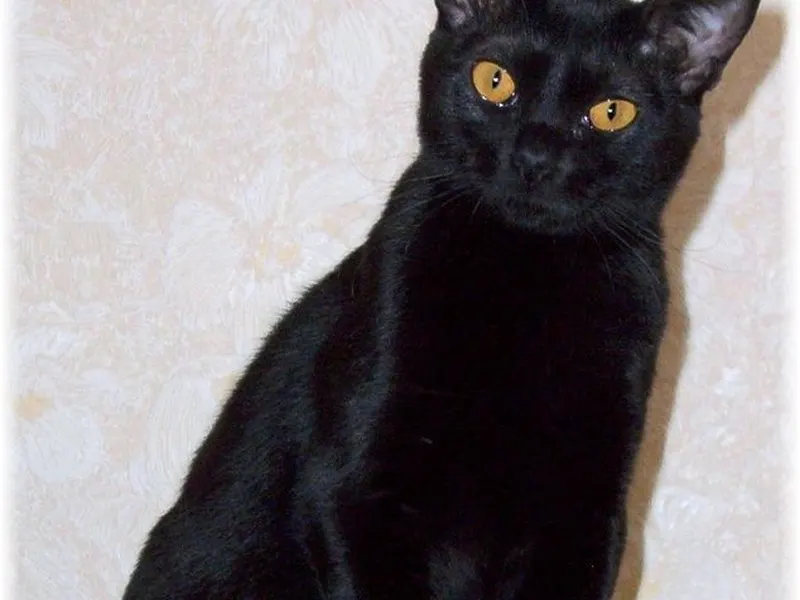
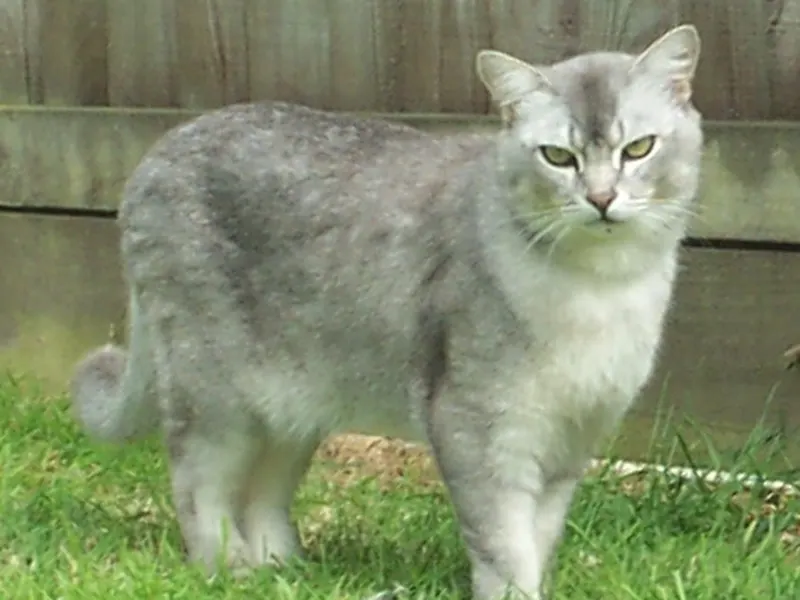
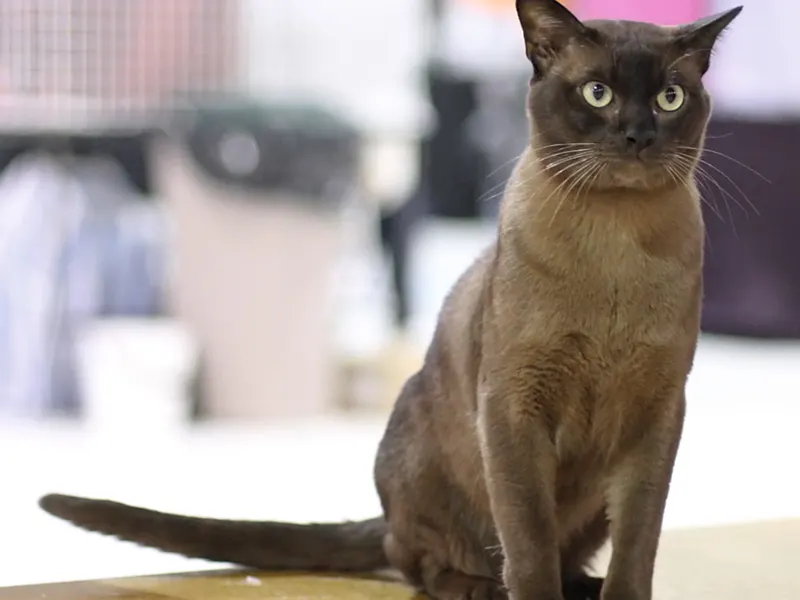
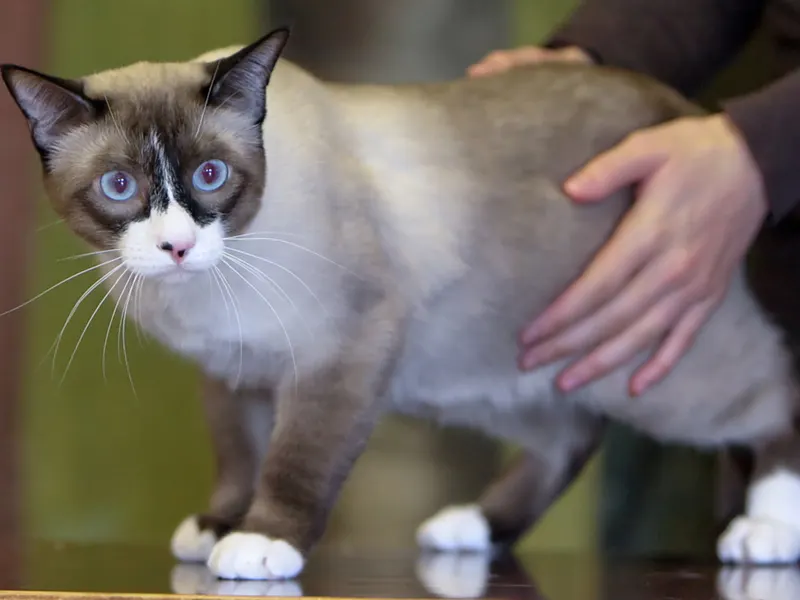
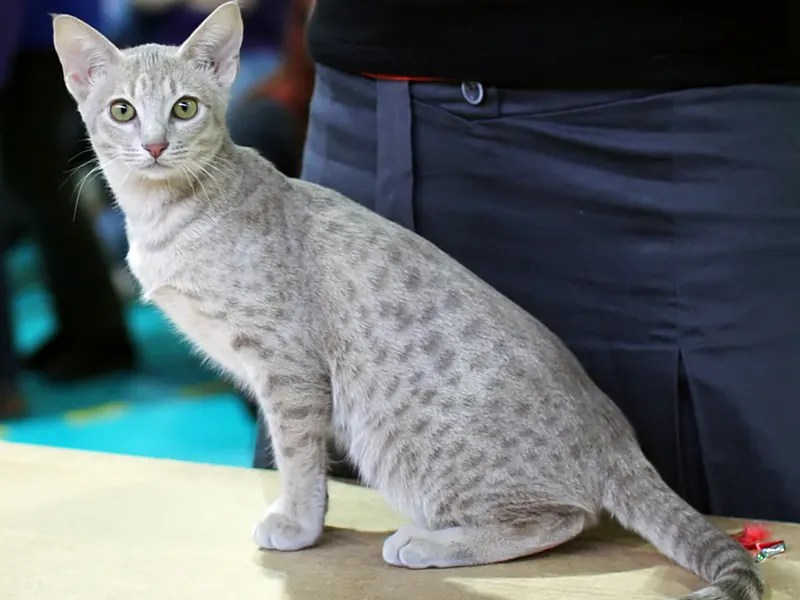
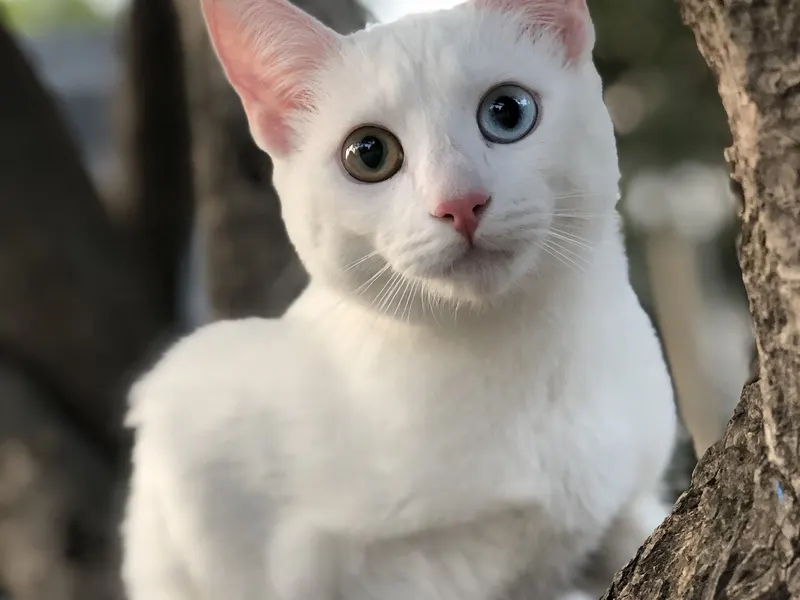
AsianBurmese type in a rainbow of colors
The Asian is a British breed group of Burmese-type cats in colors and patterns that the Burmese standard does not allow, including the shaded Burmilla, the Asian Smoke, the solid Asian Self and the Asian Tabby. These are affectionate, sociable cats that suit families who want a companion that stays involved.
Why people love the Asian
- Affectionate, people-focused Burmese temperament
- Calmer than the Burmese
- Short, satin coat needs only weekly care
- Wide range of colors and patterns
- Usually good with children and other pets
Things to consider
- Dislikes long hours alone
- Can carry Burmese inherited conditions
- Diabetes risk, weight control important
- Mainly found in the UK, rare in the US
- Some lines prone to weight gain
Is this breed right for you?
10 questions · live resultHistory and Origin
The Asian group began in the UK in 1981, when a Chinchilla Persian male and a lilac Burmese female, belonging to Baroness Miranda von Kirchberg, mated by accident. The resulting shaded silver kittens became the foundation of the Burmilla.
Breeders then developed a whole group of Burmese-type cats in other colors and patterns. The GCCF recognizes the Asian group, which includes the Burmilla (Asian Shaded), Asian Smoke, Asian Self (including the UK Bombay and Asian Tortie) and Asian Tabby. A semi-longhaired version, the Tiffanie, is also part of the family. Outside the UK, the Burmilla is recognized as a separate breed by other registries.
Size, Coat and Colors
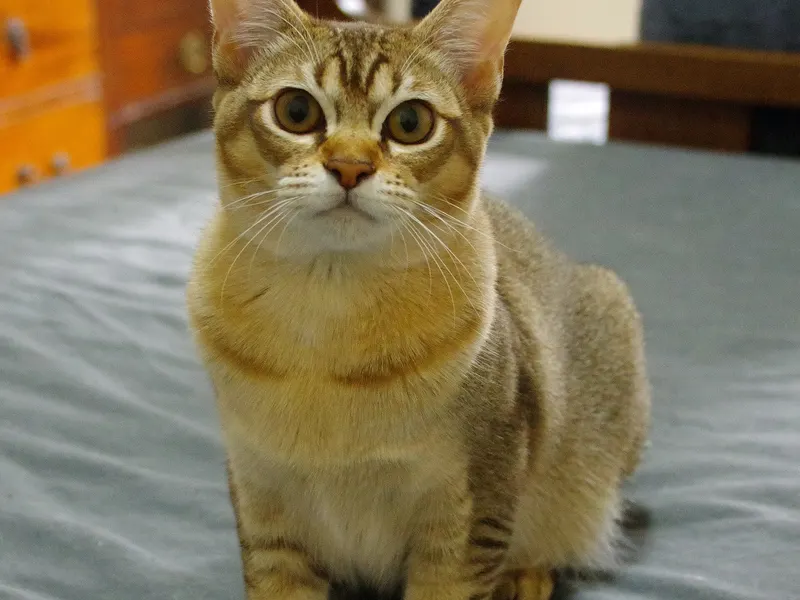
The Asian is a medium-size, muscular cat weighing 8 to 14 lb. It has the Burmese body type: compact and solid, with a rounded chest, straight back and medium-length legs. Males are usually larger and heavier than females.
The head is a short wedge with a rounded top, medium to large ears and expressive eyes in shades from yellow to green.
The coat is short, fine and close-lying with a satin feel. The semi-longhaired Tiffanie is part of the same group. The GCCF divides the Asian group into four color divisions:
- Burmilla (Asian Shaded): silver or golden shaded or tipped
- Asian Smoke: a pale undercoat with dark tips
- Asian Self: solid colors, including the black Bombay and the Asian Tortie
- Asian Tabby: ticked, spotted, mackerel and classic tabby
Each comes in many colors, including black, blue, chocolate, lilac, red, cream, caramel and apricot, and in full or Burmese restricted coloring.
Personality and Temperament
Asians generally combine the Burmese social nature with a slightly calmer temperament. They are affectionate, people-focused and often follow their owners around.
They tend to be good with children and other pets and are usually friendly with visitors. They enjoy company and may become lonely if left alone for long periods. Their voice is moderate, softer than the Siamese.
Are Asian Cats Lap Cats?
Many Asian cats are affectionate lap cats. They inherit the Burmese love of people and often seek out laps, follow owners around and enjoy being held.
Compared with the Burmese, they are often slightly calmer, which can make them more inclined to settle for long cuddles. Typical behaviors include:
- Following owners from room to room
- Sleeping on or beside their people
- Greeting visitors with curiosity
Personalities vary by individual and color division. Burmillas, for example, are often described as especially gentle.
Can Asian Cats Be Left Alone?
Asian cats do not cope well with long periods alone. They are people-focused and may become lonely or vocal when left for full workdays.
Helpful steps:
- Provide climbing furniture and window perches
- Use puzzle feeders and rotate toys
- Play actively before leaving and after returning
- Consider a second sociable cat
Many breeders recommend a companion cat for owners who work outside the home. For holidays, arrange a cat sitter who will spend time with them, not just feed them and clean the litter box.
Can Asian Cats Live With Dogs?
Yes, Asian cats usually get along well with cat-friendly dogs. They are sociable, confident and tolerant, traits inherited from the Burmese.
For a smooth introduction:
- Separate them at first and swap bedding to share scents
- Introduce the dog on a leash
- Give the cat high perches and escape routes
- Reward calm behavior from both
A dog with a strong chase instinct may not be safe with any cat, so assess the dog's temperament first. Most Asians adapt quickly to a respectful dog.
Activity, Play and Enrichment
Asians are active and playful.
- Daily play sessions with wand toys and fetch.
- Climbing furniture and window perches.
- Puzzle feeders, since some can be food-motivated and prone to weight gain.
A second sociable cat can be a good companion in busy households.
Grooming and Shedding
The coat is short, fine and close-lying, with a satin feel.
- A weekly stroke with a soft brush or mitt is enough.
- Brush teeth regularly and trim nails.
Shedding is light. The semi-longhaired Tiffanie needs more brushing.
Feeding and Nutrition
Asian cats share the Burmese tendency toward weight gain and a higher risk of diabetes. Keeping them lean is one of the most important things you can do for their health. Aim for a solid, muscular body with ribs easy to feel and a visible waist.
Practical steps:
- Measure meals rather than free-feeding
- Feed two to four small meals a day
- Use puzzle feeders to slow eating
- Count treats in the daily ration
Kittens grow quickly; feed a kitten diet in several small meals for the first year, then switch to adult food.
Hypokalemia, an inherited condition causing low blood potassium, is managed with veterinary guidance, sometimes including potassium supplementation. Do not supplement without your vet's advice.
Burmillas may carry PKD from Persian ancestry. Encourage water intake with fountains or wet food. Regular vet checks help catch kidney or diabetes issues early.
| Adult weight | Indoor, less active | Typical adult | Active or intact |
|---|---|---|---|
| 8 lb | 180 kcal | 220 kcal | 260 kcal |
| 11 lb | 230 kcal | 280 kcal | 330 kcal |
| 14 lb | 280 kcal | 340 kcal | 390 kcal |
Estimates use the resting energy formula veterinarians work with (70 × body weight in kg0.75) and standard activity factors. Use the feeding guide on your food as a starting point and adjust to body condition. Kittens, seniors, pregnant animals and pets that need to lose weight have different needs, so ask your vet.
Health and Lifespan
Asians usually weigh 8 to 14 lb and commonly live 12 to 16 years.
Because of their Burmese ancestry, they can carry inherited conditions seen in that breed:
- Hypokalemia (low blood potassium causing muscle weakness), with a DNA test available.
- Burmese head defect, a craniofacial malformation in kittens, with a DNA test available.
- Diabetes, which is more common in Burmese-related cats.
- Polycystic kidney disease (PKD) in lines with Persian ancestry, such as the Burmilla.
Ask breeders for DNA test results for both parents.
Asian Price and Cost of Ownership
The Asian group is mainly bred in the UK and is little known in the US, so there is no reliable US price. The Burmilla is available from a few US breeders as a separate breed, but prices vary by breeder, region and lines. Importing an Asian from the UK adds transport and paperwork costs.
Adoption is rare outside the UK.
Breed-specific ongoing costs:
- DNA tests for hypokalemia and the Burmese head defect
- PKD screening for Burmillas
- Weight management and regular vet checks for diabetes
- Pet insurance covering inherited conditions
Grooming costs are minimal for the shorthaired Asian, though the semi-longhaired Tiffanie needs more brushing.
Is the Asian Right for You?
A good match if you want an affectionate, social cat for a family home with children or other pets, and you like Burmese temperament in more color choices.
Think twice if you are out for long hours with no other pet.
The Asian group is mainly found in the UK and is little known in the US, so there is no reliable US price. In the US, the Burmilla is available from a few breeders as a separate breed.
Asian Traits at a Glance
Asian FAQ
Is the Asian a single breed?
It is a GCCF breed group that includes the Burmilla, Asian Smoke, Asian Self and Asian Tabby, all of Burmese type.
What is the difference between an Asian and a Burmese?
They share the same body type and temperament, but Asians come in colors and patterns the Burmese standard does not allow.
Are Asian cats good with children?
Yes, they are typically sociable and tolerant with children and other pets.
Do Asian cats shed?
Lightly. Their short, close coat needs only weekly grooming.
How long do Asian cats live?
Commonly 12 to 16 years. Choose a breeder who DNA-tests for hypokalemia and the Burmese head defect.