BurmillaA silver accident that became a breed
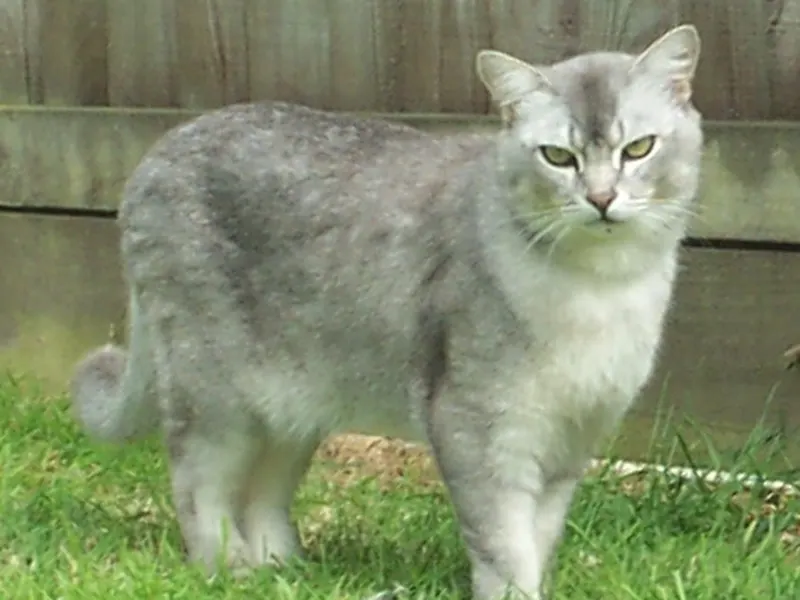
The Burmilla is a medium-sized cat with a shimmering silver coat, green eyes outlined as if with eyeliner, and a gentle, sociable nature. It blends Burmese affection with a calmer streak, which makes it a pleasant family cat that is still rare outside Europe.
Why people love the Burmilla
- Affectionate but less demanding than the Burmese
- Very good with children
- Easy-care short coat
- Playful and curious
- Good apartment cat
Things to consider
- Rare in the US, with waiting lists
- PKD risk from Persian ancestry
- Some lines carry hypokalemia
- Young breed with a small gene pool
- Allergies reported in some cats
Is this breed right for you?
10 questions · live resultHistory and Origin
The Burmilla began by accident in the United Kingdom in 1981. A chinchilla Persian male named Sanquist and a lilac Burmese female named Fabergé, both owned by Baroness Miranda von Kirchberg, mated before Fabergé was due to be bred to a Burmese. The four shaded silver kittens that followed impressed their owner enough to start a breeding program.
The Burmilla became the founding breed of the GCCF's Asian group, which also includes Bombay, Tiffanie and other Burmese-type cats in different colors and coats. FIFe recognized the Burmilla in 1994, and it is also accepted by TICA and CFA. A semi-longhaired version exists in some registries.
The breed's name combines Burmese and chinchilla. Breeders in the UK spent years fixing the shaded silver look and Burmese-like body, using Burmese backcrosses, before the breed gained full recognition.
Size, Coat and Colors
The Burmilla is a medium-sized, muscular cat with a rounded head and a compact, elegant body. Adults weigh about 6 to 12 lb, with males larger than females.
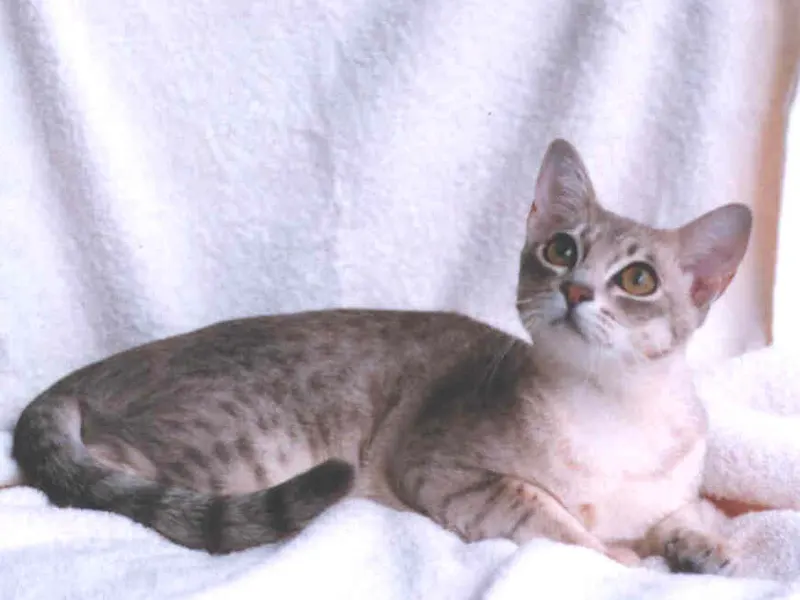
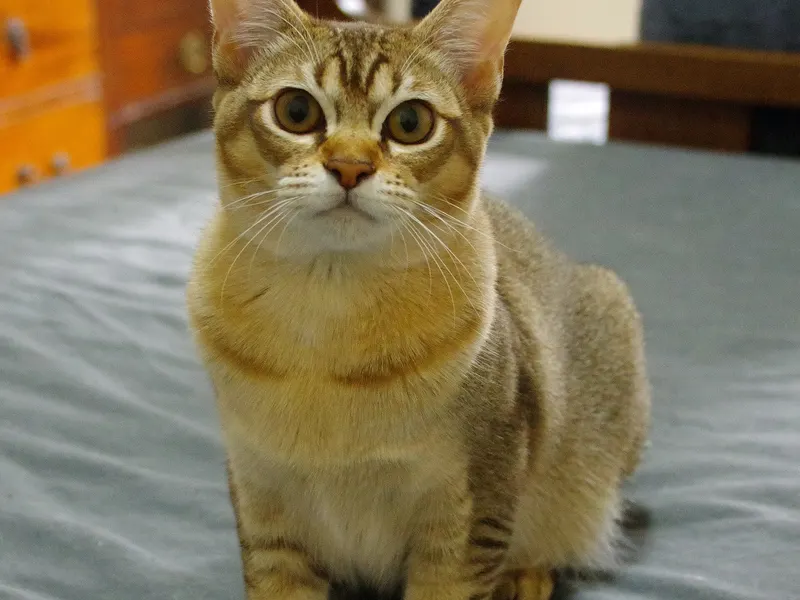
The head is gently rounded with a short muzzle, large, expressive green eyes outlined in dark color and medium to large ears. The coat is short, soft and silky with a slight undercoat. A semi-longhaired version exists in some registries.
The defining feature is the shaded or tipped silver coat, where the tips of the hairs are colored and the base is silver or golden. Colors include:
- Black, blue and brown
- Chocolate and lilac
- Cream, red and tortie
The overall look is of a sweet-faced cat with a sparkling coat and dark outlines around the eyes, nose and lips, often described as natural makeup.
Personality and Temperament
Burmillas are affectionate and people-oriented but less demanding than the Burmese. They enjoy laps, play and company, and usually adapt well to family routines.
- Very good with children and generally gentle when handled
- Usually friendly with cat-friendly dogs and other cats
- Moderately quiet voice
- Curious and playful, often keeping a kittenish streak into adulthood
Owners often describe Burmillas as gentle and well-mannered, with a playful clownish side. They enjoy interactive games and are usually curious about visitors rather than shy. They are less vocal and less demanding than many Burmese, which suits households that want an affectionate cat without constant calls for attention.
Are Burmillas Lap Cats?
Yes, many Burmillas are happy lap cats. They are affectionate and people-oriented and often settle on a lap in the evening or join their owners in bed.
Unlike the more insistent Burmese, a Burmilla usually asks politely rather than demanding attention. Many play independently during the day and then seek contact when the household relaxes. Individual cats vary, and kittens are often too busy for long cuddles. If you want an affectionate cat that is not constantly vocal, the Burmilla offers a good balance between closeness and independence.
Can Burmillas Be Left Alone?
Burmillas cope with ordinary working hours better than many people-focused breeds, though they still appreciate company.
An adult Burmilla with toys, a cat tree and a window perch usually rests through a workday. Long absences or frequent travel are harder, and a second cat can help, especially another playful, sociable breed. Play before you leave and after you return, and use puzzle feeders to keep the cat busy. Kittens need more supervision and should be introduced to alone time gradually. A cat sitter is a good idea for weekends away.
Are Burmillas Good With Dogs?
Yes, Burmillas usually get along with cat-friendly dogs. Their curious, confident and playful nature helps them adapt to multi-pet homes.
Introduce them gradually, starting with scent swapping and short, supervised meetings. Make sure the cat has high perches, escape routes and a dog-free area for food and the litter box. A calm, well-mannered dog with low prey drive is the best match. Burmillas raised with dogs often become close companions to them, sleeping together and joining in gentle play. Keep litter boxes where the dog cannot reach them.
Activity, Play and Enrichment
Activity is moderate. Daily play with wand toys and balls, a solid cat tree and puzzle feeders keep them content. They are well suited to indoor life and apartments. They cope with ordinary working hours better than the Burmese, though they appreciate a companion cat.
Many Burmillas enjoy fetching small toys and climbing to a high perch to watch the room. Short training sessions with treats work well because they are food-motivated and keen to interact.
Grooming and Shedding
The short coat is soft and silky with a slight undercoat. Weekly brushing is enough for the shorthair. The semi-longhaired form needs combing two or three times a week. Shedding is light to moderate.
Trim nails every few weeks, clean ears as needed and brush teeth regularly, as with any cat.
Feeding and Nutrition
Burmillas are compact, food-motivated cats that can gain weight once they leave the active kitten stage. Measure meals, weigh the cat regularly and aim for a firm, muscular body with ribs you can feel easily.
Polycystic kidney disease (PKD) can be inherited from the Persian side. Supporting water intake with fountains or wet food is sensible for any cat and especially for one from untested lines. Ask your vet about routine kidney bloodwork as your cat ages.
Some lines inherit hypokalemia, a potassium deficiency that is also known in the Burmese. Muscle weakness, a stiff gait or a lowered head can be signs and need a vet visit; affected cats are managed with a vet-directed plan.
Burmese ancestry has been linked to a higher risk of diabetes in some countries, so keeping a Burmilla lean is a good precaution.
Allergies and skin sensitivity have been reported. Persistent itching should be investigated with your vet before any diet change.
Feed two or more meals a day and use puzzle feeders and play to keep indoor cats active.
| Adult weight | Indoor, less active | Typical adult | Active or intact |
|---|---|---|---|
| 6 lb | 150 kcal | 180 kcal | 210 kcal |
| 9 lb | 200 kcal | 240 kcal | 280 kcal |
| 12 lb | 250 kcal | 300 kcal | 350 kcal |
Estimates use the resting energy formula veterinarians work with (70 × body weight in kg0.75) and standard activity factors. Use the feeding guide on your food as a starting point and adjust to body condition. Kittens, seniors, pregnant animals and pets that need to lose weight have different needs, so ask your vet.
Health and Lifespan
Burmillas typically live 10 to 15 years. Due to their Persian ancestry they can carry polycystic kidney disease (PKD), for which a DNA test is available, so ask for negative results for both parents. Some lines also inherit Burmese-related issues, such as hypokalemia, which can be DNA tested. Allergies and skin sensitivity have been reported in some cats. A young breed with a small gene pool benefits from breeders who track health carefully.
Burmilla Price and Cost of Ownership
Typical breeder price in the US$1,000 to $2,000
Burmilla kittens from reputable US breeders typically cost about $1,000 to $2,000, depending on breeder, region and lines. The breed is rare in the US, so availability is limited and waiting lists are common. Importing a kitten from Europe adds transport and paperwork costs.
Adoption is rare but occasionally possible through breeder retirements.
Ongoing cost drivers include:
- Health screening, including confirmation of PKD and hypokalemia test results for the parents
- Insurance covering kidney disease, allergies and diabetes
- Kidney bloodwork in later years
- Enrichment such as interactive toys and climbing space
Grooming is simple and usually done at home, and food costs are modest for a medium-sized cat.
Is the Burmilla Right for You?
The Burmilla suits families, first-time owners and people looking for an affectionate cat that is not overly demanding. It is a good apartment cat.
Availability is the main hurdle, especially in the US. Pet-quality kittens typically cost about $1,000 to $2,000, varying by breeder and region, and imports from Europe add cost.
Because the breed is rare, be prepared to join a waiting list and ask breeders detailed questions about PKD testing and the background of their cats.
Burmilla Traits at a Glance
Burmilla FAQ
What breeds make a Burmilla?
The Burmilla came from a chinchilla Persian and a lilac Burmese in the UK in 1981. Today it is bred as its own breed.
Do Burmilla cats shed?
Lightly to moderately. The shorthair needs only weekly brushing.
Are Burmilla cats hypoallergenic?
No. They produce the usual Fel d 1 allergen.
How big do Burmillas get?
They are medium-sized, about 6 to 12 lb (3 to 5.5 kg).
Are Burmillas good with kids?
Yes. They are gentle, playful and tolerant, which suits family life.
How long do Burmilla cats live?
Usually 10 to 15 years.