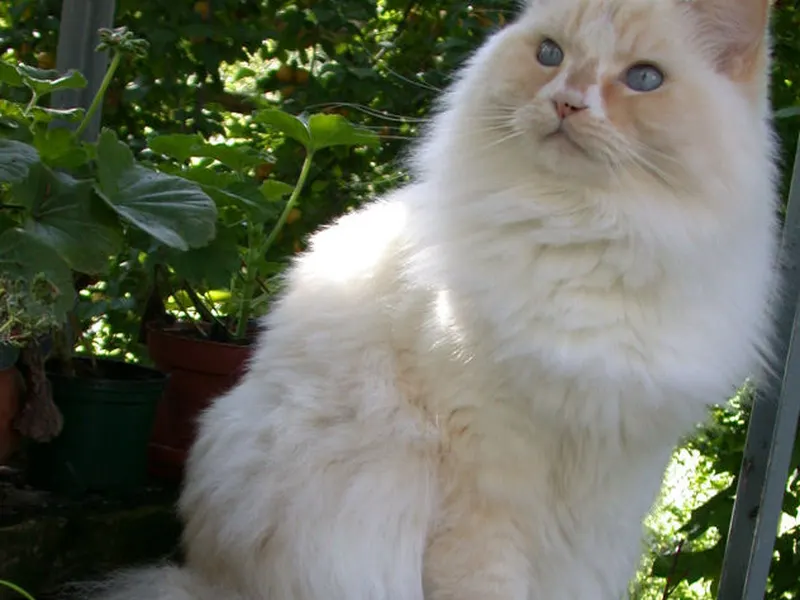
MinuetShort legs, doll face, big welfare questions
<p>The Minuet is a small cat with short legs and a round, sweet face, created by crossing the Munchkin with Persian-type breeds. It is gentle, people-loving and playful. Before choosing one, understand the welfare debate around short-legged cats, which leads most major registries to refuse recognition.</p>
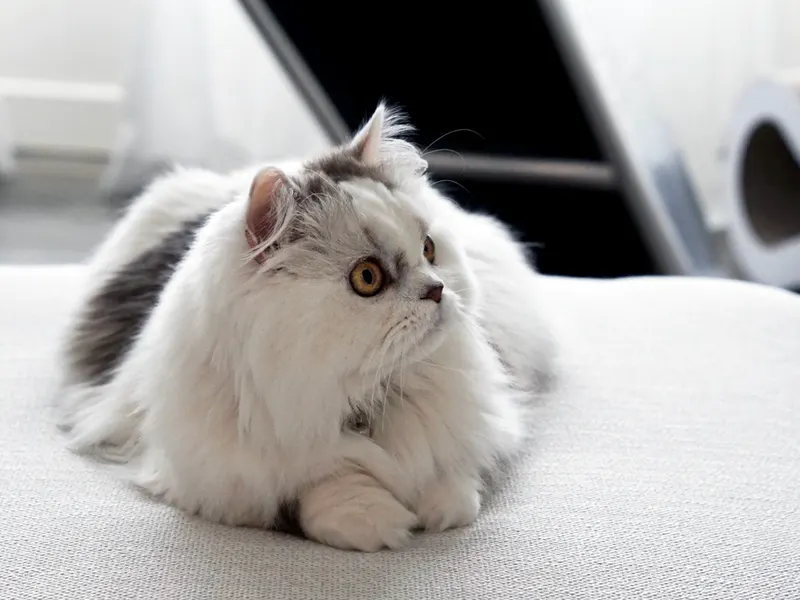
Why people love the Minuet
- Affectionate, gentle and people-loving
- Small, sweet-faced and playful
- Usually quiet and easygoing indoors
- Gets along with considerate kids and pets
- Available in longhair and shorthair
Things to consider
- Short-leg gene raises welfare and joint concerns
- Not recognized by CFA, FIFe or the GCCF
- Longhairs need frequent combing
- Persian ancestry adds PKD and face-shape risks
- Limited jumping and climbing ability
Health note: this breed is affected by health concerns linked to its body shape or coat. Read the health section and choose a breeder who screens their cats and breeds responsibly.
Short-legged (dwarf) breeds are not recognized by CFA, FIFe or GCCF on welfare grounds; breeding short-legged cats can fall under animal welfare (torture-breeding) laws in some European countries such as Germany.
Is this breed right for you?
10 questions · live resultHistory and Origin
The breed was started in the US in the mid-1990s by Joe Smith, who crossed Munchkins with Persians and related breeds, including Himalayans and Exotic Shorthairs. His aim was a short-legged cat with a rounded, Persian-influenced head but a less extreme face than a show Persian. The cats were originally called Napoleons.
TICA accepted the breed and later renamed it Minuet in the mid-2010s. CFA, FIFe and the GCCF do not recognize the Minuet or other short-legged breeds, citing welfare concerns about the gene responsible for short legs.
Size, Leg Length, Coat and Colors
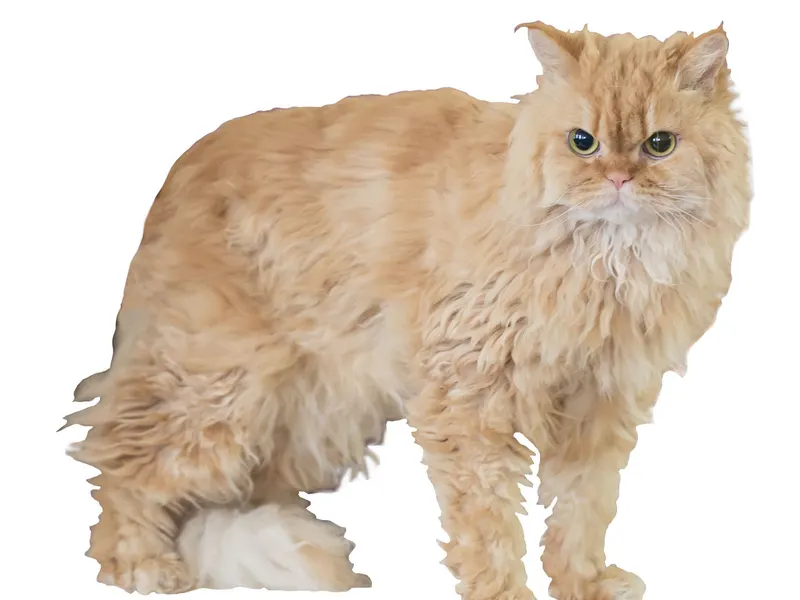
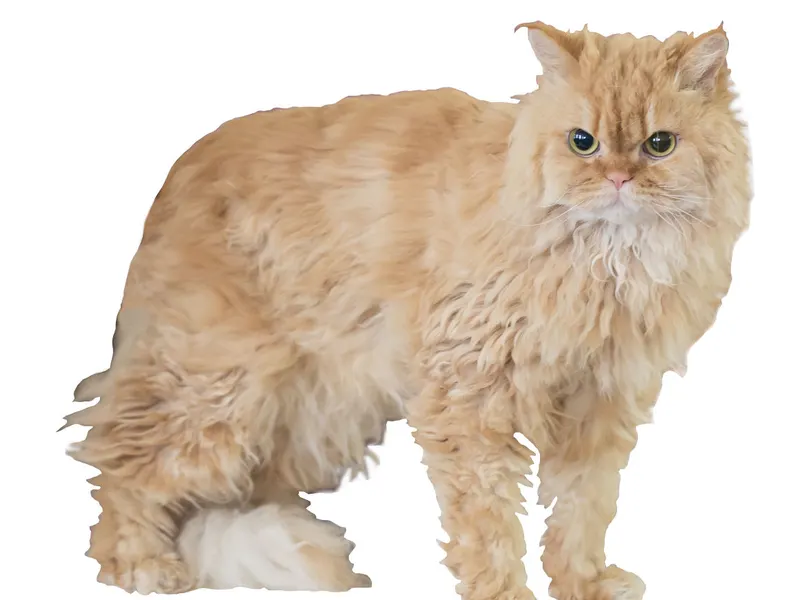
The Minuet is a small cat with a round head, large round eyes and a sweet expression influenced by its Persian ancestry. Adults weigh about 5 to 9 lb. Males are often slightly larger and heavier than females.
The defining feature is leg length. Minuet litters can include:
- Short-legged cats, which carry the dominant gene from the Munchkin
- Standard-legged cats, with normal leg length, which are also part of the breeding program
The body is of normal length and well muscled, with a level back. The face should be moderate, with a short but not flat nose, avoiding the extreme face of a show Persian.
There are two coat types:
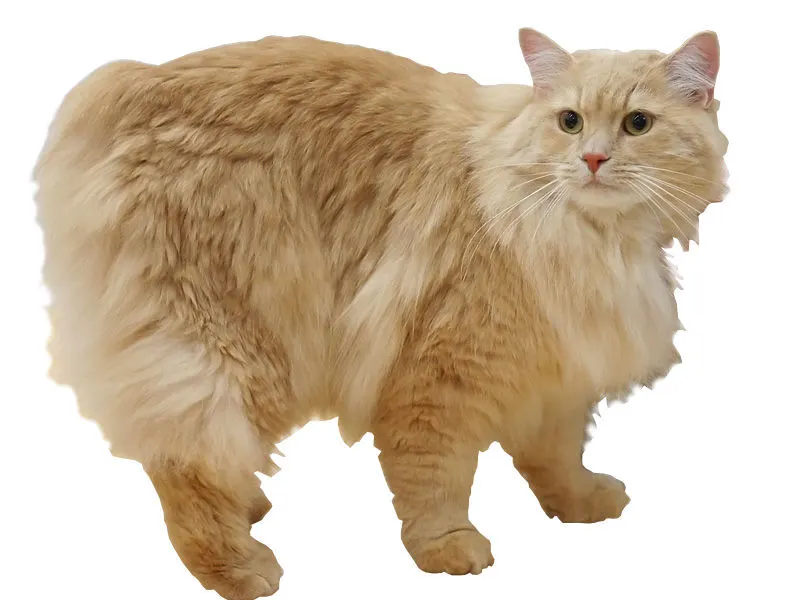
- Longhair: a thick, silky coat with a ruff and plumed tail
- Shorthair: a plush, dense coat that stands slightly away from the body
TICA accepts all colors and patterns, including solids, tabbies, bicolors, calicos and pointed colors.
Personality and Temperament
Minuets are known as affectionate, gentle and sociable cats that enjoy laps and attention. They tend to combine the calm of the Persian with the curiosity of the Munchkin. Most are quiet, get along with considerate children and other pets, and prefer company over long hours alone.
Are Minuet Cats Lap Cats?
Yes, usually. Minuets are known for being affectionate and gentle, and many love laps, cuddles and being near their people.
They combine the calm, cuddly side of the Persian with the curiosity of the Munchkin, so they also enjoy short play sessions. After playing, many happily settle on a lap or beside you.
Short-legged Minuets may need help getting onto the sofa or bed. Pet steps or ramps let them reach you without jumping, which protects their joints and helps them join you whenever they want.
Are Minuet Cats Good for First-Time Owners?
In temperament, yes. Minuets are gentle, sociable and usually easy to live with.
The challenges are physical and ethical:
- Understanding the welfare debate around short-legged breeds
- Providing ramps and low furniture for short-legged cats
- Daily or near-daily combing for longhairs
- Watching for joint, spine and kidney issues
First-time owners should research carefully and choose a breeder who health-tests for PKD and is open about the risks. If the welfare concerns bother you, a normal-legged cat with a similar personality is a good alternative.
Can Minuet Cats Live with Dogs?
Often, yes. Minuets are sociable cats that can live peacefully with calm, cat-friendly dogs, especially when introduced slowly.
Size and mobility matter. Short-legged Minuets cannot escape as quickly as normal cats, so:
- Avoid dogs with a strong chase drive.
- Provide low safe spaces, such as cat-only rooms or tunnels.
- Supervise play with large or boisterous dogs.
- Feed the cat where the dog cannot reach its food.
With gradual introductions and a gentle dog, many Minuets form close bonds with their canine housemates and enjoy napping alongside them.
Activity, Play and Enrichment
Minuets are playful and will chase toys across the floor, but short legs limit their jumping. Help them get around safely:
- Use ramps, pet steps and low, wide cat trees instead of tall ones.
- Favor floor-level games such as rolling balls and wand toys moved along the ground.
- Keep them lean; extra weight puts more strain on short legs and the spine.
Grooming and Shedding
Minuets come in longhair and shorthair versions. Longhairs have a thick Persian-type coat that needs combing several times a week, ideally daily, to prevent mats, especially under the legs and belly where short-legged cats rub against the floor. Shorthairs have a plush, dense coat and need weekly brushing. Both shed moderately to heavily. Many short-legged cats find it harder to groom their hindquarters, so check the rear end regularly.
Feeding and Nutrition
Weight control is especially important for Minuets. Extra weight places more strain on short legs, joints and the spine, and less agile cats burn fewer calories through play. Feed a complete and balanced diet suited to the cat's life stage, in measured portions, and check body condition often.
- Feed two or three measured meals a day rather than free feeding.
- Use floor-level puzzle feeders to add movement and enrichment.
- Choose kibble or food textures the cat can pick up easily, especially if its face is shorter.
- Encourage hydration with a fountain or wet food, which supports kidney health.
Because of Persian ancestry, polycystic kidney disease is a concern. Choose PKD-tested parents and ask your vet about regular kidney checks as the cat ages. Never change diets to treat kidney disease without veterinary guidance.
Longhaired Minuets can develop hairballs; regular combing helps reduce the hair swallowed during self-grooming.
| Adult weight | Indoor, less active | Typical adult | Active or intact |
|---|---|---|---|
| 5 lb | 130 kcal | 160 kcal | 180 kcal |
| 7 lb | 170 kcal | 200 kcal | 230 kcal |
| 9 lb | 200 kcal | 240 kcal | 280 kcal |
Estimates use the resting energy formula veterinarians work with (70 × body weight in kg0.75) and standard activity factors. Use the feeding guide on your food as a starting point and adjust to body condition. Kittens, seniors, pregnant animals and pets that need to lose weight have different needs, so ask your vet.
Health and Lifespan
The short legs come from the same dominant gene found in the Munchkin. Research has linked this gene to a form of chondrodysplasia, an abnormality of bone and cartilage development. Concerns raised by veterinary and welfare organizations include:
- Reduced ability to jump, climb and move like a normal cat.
- A possible increased risk of joint disease and arthritis over time.
- Spinal problems such as lordosis and chest deformities such as pectus excavatum, reported in some short-legged cats.
- Persian-related risks: polycystic kidney disease (PKD) and breathing or eye problems if the face is too flat.
Lifespans of roughly 9 to 15 years are commonly cited, though long-term data is limited. Short-legged breeding is considered problematic under animal welfare ("torture breeding") laws in some European countries, such as Germany. Anyone buying should insist on PKD-tested parents and a moderate, open face.
Minuet Price and Cost of Ownership
Typical breeder price in the US$1,000 to $3,000
A Minuet kitten from a US breeder commonly costs about $1,000 to $3,000. Prices vary by breeder, region, lines and leg length, with short-legged kittens often priced higher. Choose a breeder who tests for PKD, discusses the short-leg gene openly and shows you both parents.
Minuets occasionally appear in rescues, and normal-legged Persian-type or Domestic Longhair cats with similar personalities are common in shelters.
Breed-specific ongoing costs include:
- Ramps, pet steps and low cat furniture
- Grooming tools or professional grooming for longhairs
- PKD screening and regular kidney checks
- Insurance that covers joint, spine and kidney conditions; check exclusions
- Pain management if arthritis develops
Is the Minuet Right for You?
A Minuet can be a sweet, devoted companion for a calm indoor home. If you are drawn to the look, weigh the welfare concerns honestly, and consider that a normal-legged cat with a similar personality, such as a Persian-type or Domestic Longhair from a rescue, avoids them.
US kittens commonly cost about $1,000 to $3,000, varying widely by breeder, region and leg length. Choose a breeder who health-tests and is open about the issues.
Minuet Traits at a Glance
Minuet FAQ
Is a Minuet the same as a Napoleon cat?
Yes. Napoleon was the breed's original name; TICA renamed it Minuet.
How big do Minuet cats get?
Most adults weigh 5 to 9 lb (about 2 to 4 kg), with short legs and a normal-sized body.
Are Minuet cats healthy?
They can live good lives, but the short-leg gene is linked to bone and cartilage abnormalities, and Persian ancestry brings PKD and face-shape risks. Health-tested parents matter.
Why don't all registries accept the Minuet?
CFA, FIFe and the GCCF do not register short-legged breeds because of welfare concerns about the gene that causes the short legs.
Do Minuet cats need a lot of grooming?
Longhaired Minuets need frequent combing to prevent mats; shorthairs need weekly brushing.
How long do Minuet cats live?
Around 9 to 15 years is commonly cited, but long-term data is limited.