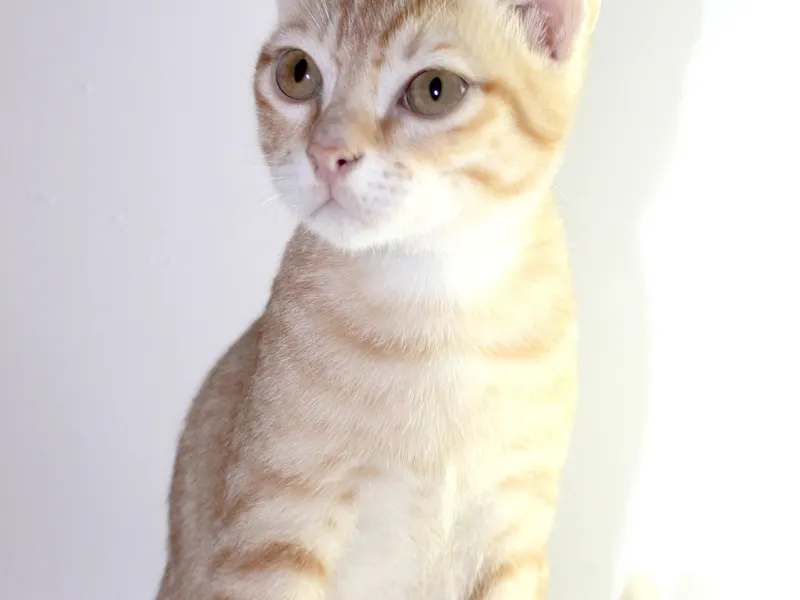
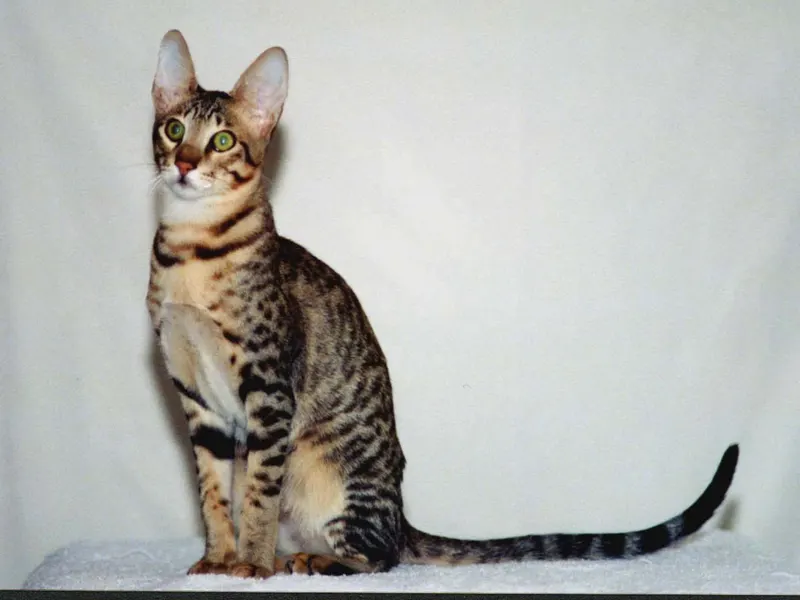
CheetohA spotted Bengal and Ocicat cross
<p>The Cheetoh is a developing breed created by crossing the Bengal with the Ocicat, aiming for a large, spotted cat with a wild appearance and a gentle, sociable temperament. It is active, affectionate and confident. It suits experienced, active owners who can provide plenty of play and who are comfortable with a breed that major registries do not yet recognize.</p>
Why people love the Cheetoh
- Wild, spotted look with a gentle temperament
- Affectionate and people-focused
- Can be harness trained
- Short coat with light to moderate shedding
- Often sociable with kids and dogs
Things to consider
- High energy; needs daily vigorous play
- Not recognized by major registries
- Rare, with few breeders
- Temperament can vary in a developing breed
- Limited independent health data
Developed from Bengal x Ocicat crosses, so it carries distant Asian leopard cat ancestry through the Bengal; cats several generations removed are treated as domestic in most places, but some jurisdictions regulate Bengal-type cats by generation.
Is this breed right for you?
10 questions · live resultHistory and Origin
The Cheetoh was started in the early 2000s in the United States by breeder Carol Drymon, who crossed Bengals with Ocicats. Her goal was a cat that looked even more like a small wild cat than the Bengal, with a large, muscular body, but with a calm, domestic temperament.
The Ocicat, despite its name, has no wild ancestry; it was developed from Siamese, Abyssinian and American Shorthair cats. The Bengal descends from crosses between domestic cats and the Asian leopard cat, so the Cheetoh carries distant wild ancestry through its Bengal side. The breed is not recognized by TICA, CFA, FIFe or the GCCF, and it remains rare.
Size, Coat and Colors
The Cheetoh is marketed as a large, muscular spotted cat with a wild look combining features of the Bengal and the Ocicat. Adults are often described as weighing about 10 to 23 lb, with males noticeably heavier and more massive than females. Reliable size data is limited, and many individuals are smaller than the top of that range.
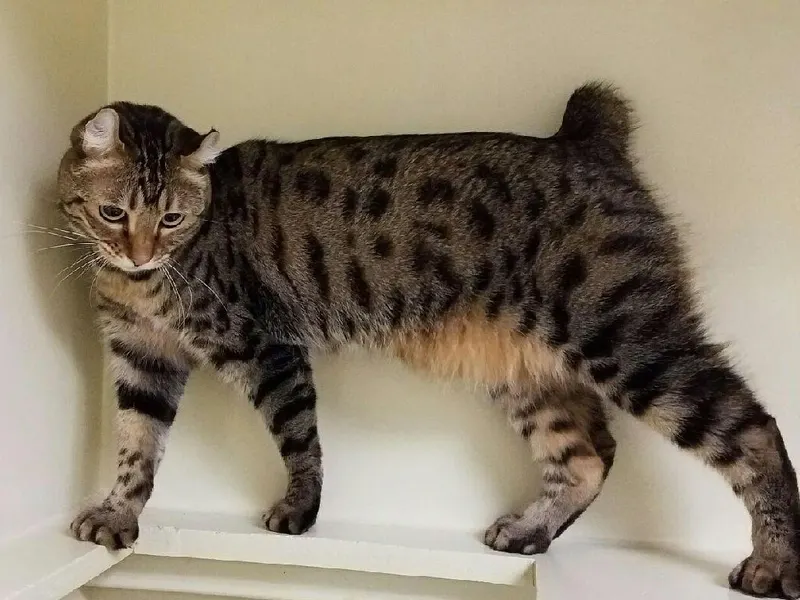
The body is long and athletic, with strong bones and a rolling, cat-of-the-wild gait that breeders highlight. The head is a modified wedge with medium ears and large eyes.
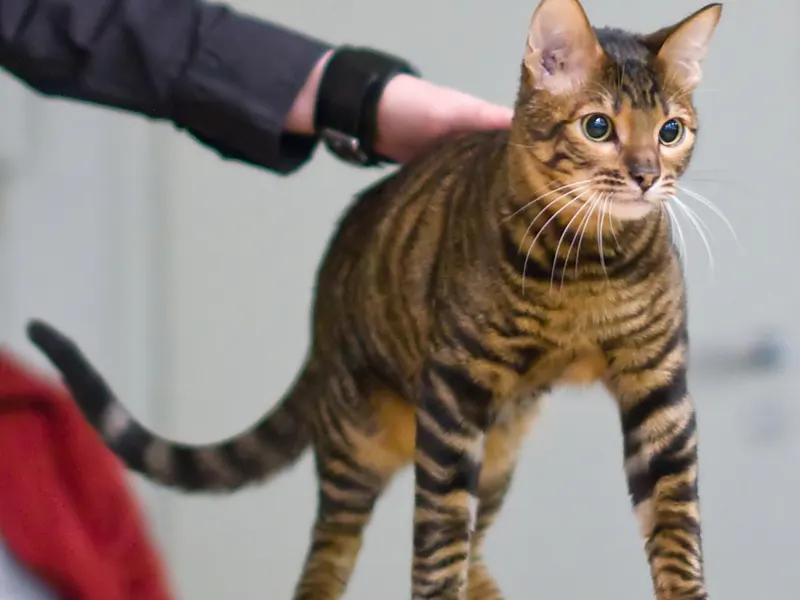
The coat is short, sleek and close-lying, sometimes with the glittered sheen inherited from the Bengal. Typical colors and patterns include:
- Brown or gold spotted tabby
- Silver spotted tabby
- Snow colors (lighter coats with pointed influence) in some lines
Spots should be distinct and well spread over the body. Because the breed is still developing and is not recognized by major registries, there is no single, widely accepted standard, and appearance can vary between breeders.
Personality and Temperament
Breeders describe Cheetohs as friendly, affectionate and people-focused, often gentler than many Bengals. They like to follow their people, can be trained to walk on a harness and often get along with children and dogs. They are confident and curious, and some are fairly vocal.
Because the breed is new and still being developed, temperament can vary more from cat to cat than in established breeds. Meet the parents if possible.
Are Cheetoh Cats Good for First-Time Owners?
They can be, for active first-time owners. Cheetohs are described as friendly and affectionate, but they are high-energy cats that need a lot of play and enrichment.
Beginners should plan for:
- Daily vigorous play with wand and chase toys
- Tall, sturdy cat trees and shelves
- Training or harness walks to burn energy
- Variable temperaments in a developing breed
Meeting the parents and choosing a breeder who health-tests is especially important. A first-time owner who wants a quiet lap cat would likely be happier with a calmer breed.
Should Cheetoh Cats Be Kept Indoors Only?
Indoor living with safe outdoor access is the most common recommendation. Cheetohs are curious and active, and outdoors they face traffic, theft and conflicts with wildlife.
Their wild appearance may also attract attention or cause misunderstandings with neighbors. In places that regulate Bengal-type cats by generation, documentation is useful.
To keep an indoor Cheetoh happy:
- Provide climbing structures and window perches.
- Offer daily vigorous play and puzzle feeders.
- Use a catio or secure harness walks for outdoor time.
These outlets prevent boredom and destructive behavior.
Can Cheetoh Cats Be Left Alone?
For a normal workday, often yes, if they get enough play before and after. Cheetohs are social and active, and long, frequent absences can lead to boredom and mischief.
A bored Cheetoh may explore cupboards, knock things off shelves or become vocal. To help:
- Hold a vigorous play session before leaving.
- Leave puzzle feeders and rotate toys.
- Cat-proof cupboards and high shelves.
- Consider a second active cat for company.
For trips longer than a day, arrange a pet sitter who can play with the cat, not just feed it.
Activity, Play and Enrichment
Expect a high-energy cat. Both parent breeds are active, intelligent and need stimulation.
- Daily vigorous play with chase toys and wand toys is essential.
- Tall, sturdy cat trees and wall shelves give them room to climb.
- Harness walks, training sessions and food puzzles help burn energy.
- Many enjoy water play.
Under-stimulated Cheetohs may find their own entertainment, often in cupboards or on high shelves.
Grooming and Shedding
The coat is short, sleek and close-lying, typically in brown or silver spotted patterns, sometimes with a glittered sheen from the Bengal. Weekly brushing with a rubber mitt is enough, and shedding is light to moderate. Regular nail trims and tooth brushing complete the routine.
Feeding and Nutrition
Cheetohs are large, muscular and active cats, and their diet should support lean muscle without excess weight. Feed a complete and balanced diet suited to their life stage, and adjust portions based on body condition: ribs easy to feel, a defined waist and no belly pouch beyond what is normal for the cat.
Large cats often mature slowly, and Cheetohs may continue filling out until about two years of age. Kittens need a complete growth diet during the first year, with guidance from your vet on when to switch.
- Feed several small meals a day or use puzzle feeders to match their active nature.
- Use part of the daily ration for training and harness work.
- Encourage hydration with a fountain or wet food.
Because the Cheetoh inherits risks from the Bengal and Ocicat, including hypertrophic cardiomyopathy, keep the cat lean and attend regular vet checkups. Diet does not prevent inherited heart disease, but healthy weight reduces strain on the heart and joints.
| Adult weight | Indoor, less active | Typical adult | Active or intact |
|---|---|---|---|
| 10 lb | 220 kcal | 260 kcal | 300 kcal |
| 16 lb | 310 kcal | 370 kcal | 430 kcal |
| 23 lb | 410 kcal | 490 kcal | 570 kcal |
Estimates use the resting energy formula veterinarians work with (70 × body weight in kg0.75) and standard activity factors. Use the feeding guide on your food as a starting point and adjust to body condition. Kittens, seniors, pregnant animals and pets that need to lose weight have different needs, so ask your vet.
Health and Lifespan
There is little published health data on Cheetohs, so it makes sense to look at their parent breeds. Lifespans of about 12 to 15 years are commonly cited. Conditions known in Bengals or Ocicats that breeders should test or screen for include:
- Hypertrophic cardiomyopathy (HCM), screened by echocardiogram.
- Pyruvate kinase (PK) deficiency, which has a DNA test.
- Progressive retinal atrophy (PRA-b in Bengals, and PRA-rdAc in Abyssinian-derived lines), both with DNA tests.
Ask breeders which tests they use on both parents.
Cheetoh Price and Cost of Ownership
There is no reliable typical US price for Cheetoh kittens. The breed is rare, has few breeders and is not recognized by major registries, so prices vary by breeder, region and lines. Ask which health tests are done on both parents, including HCM screening, PK deficiency and PRA DNA tests.
Spotted Bengal-type cats sometimes appear in rescues, and they may offer a similar look and energy level.
Breed-specific ongoing costs include:
- Tall, sturdy cat trees, wall shelves and a catio
- Interactive toys and puzzle feeders
- Echocardiogram screening if your vet recommends it
- Insurance that covers heart disease; check whether a developing breed is accepted
- Documentation if local rules regulate Bengal-type cats
Is the Cheetoh Right for You?
A Cheetoh suits active, experienced cat owners who want a social, wild-looking cat and can provide daily exercise. It is less suited to quiet homes or people away for long hours.
Sizes of up to around 20 lb or more are often quoted for males, but reliable data is limited. Because the breed carries distant Bengal ancestry, check local rules: most places treat cats several generations from a wild cross as domestic, but some regulate Bengal-type cats by generation. No reliable typical US price exists; prices vary by breeder and region.
Cheetoh Traits at a Glance
Cheetoh FAQ
What breeds make a Cheetoh?
The Cheetoh is a cross between the Bengal and the Ocicat, developed in the US from the early 2000s.
How big do Cheetoh cats get?
They are marketed as large cats, often around 10 to 23 lb (about 4.5 to 10 kg) for adults, with males heavier. Reliable data is limited.
Is the Cheetoh a hybrid?
Not directly. It carries distant Asian leopard cat ancestry through the Bengal, but is bred from domestic Bengals and Ocicats.
Is the Cheetoh a recognized breed?
Not by the major registries TICA, CFA, FIFe or the GCCF. It remains a rare, developing breed.
Do Cheetoh cats shed?
Lightly to moderately. Their short coat needs only weekly brushing.
Are Cheetoh cats good with kids and dogs?
Breeders describe them as sociable and tolerant, and many live well with children and dogs, though temperament can vary in a developing breed.