ChausieA tall, athletic jungle cat hybrid
The Chausie is a large, long-legged hybrid breed descended from the jungle cat (Felis chaus) and domestic cats. It is intelligent, energetic and very social, and suits experienced owners who can offer plenty of activity and company.
Why people love the Chausie
- Intelligent, confident and very social
- Loyal and dog-like with its family
- Usually gets along with active dogs and cats
- Short, dense coat needs only weekly brushing
- Striking wild look in a domestic-bred cat
Things to consider
- Among the most active breeds; needs lots of space and play
- Hybrid restrictions or permits in some states and cities
- Can become demanding or destructive when bored
- Some have digestive sensitivity
- Cautious with strangers; not a lap cat
Early-generation Felis chaus hybrids are restricted or require permits in some US states, cities and countries; check local rules before buying.
Is this breed right for you?
10 questions · live resultHistory and Origin
The jungle cat is a wild species found from Egypt and the Middle East to South and Southeast Asia. Jungle cats have occasionally crossed with domestic cats in the wild, and some ancient Egyptian cat mummies may be of jungle cats.
Deliberate breeding of jungle cat hybrids began in the United States in the late 1960s and 1990s. Early generations were crossed mainly with Abyssinians and domestic shorthairs. TICA accepted the Chausie for registration in 1995 and granted championship status in 2013. Today's show and pet Chausies are generally later generations, several steps removed from the wild ancestor.
Size, Coat and Colors
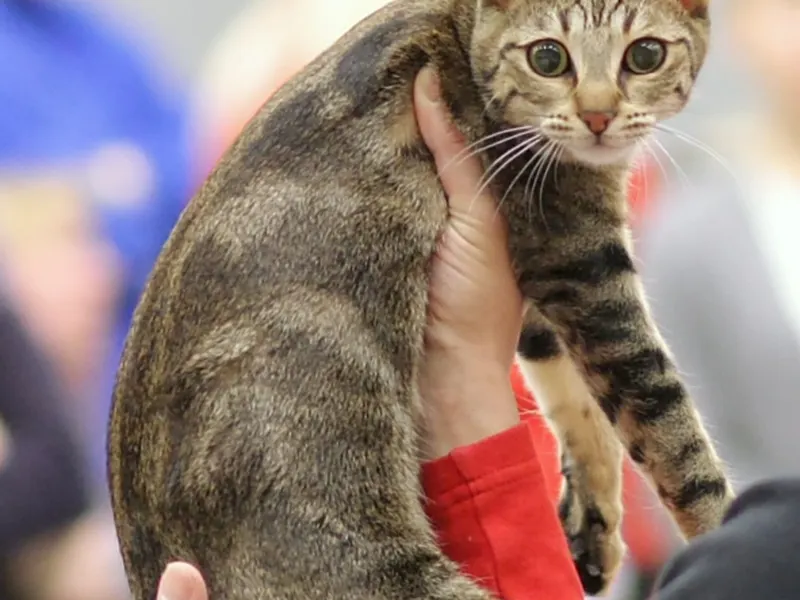
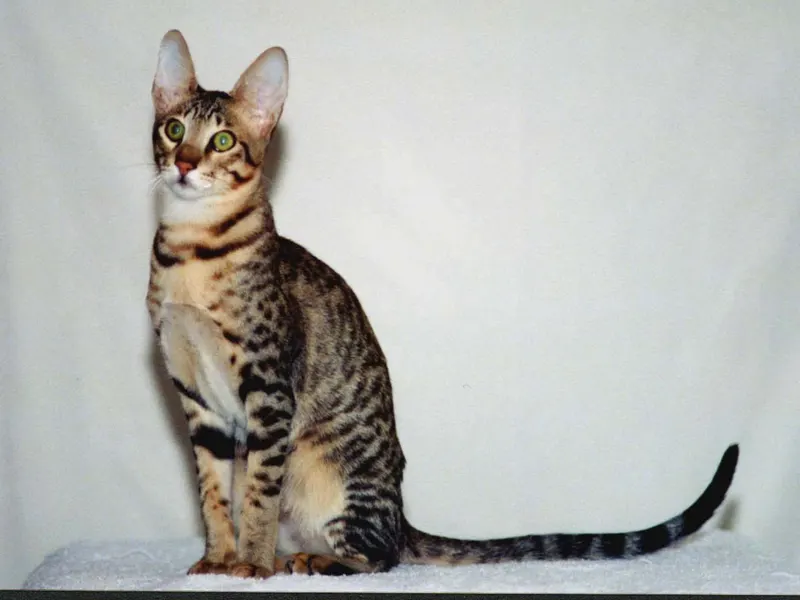
The Chausie is a large, long-legged, athletic cat with a long body, a deep chest and a lean, muscular build. Adults typically weigh 12 to 25 lb, with a wide range depending on generation and lines. Males are substantially larger and heavier than females, often by several pounds.
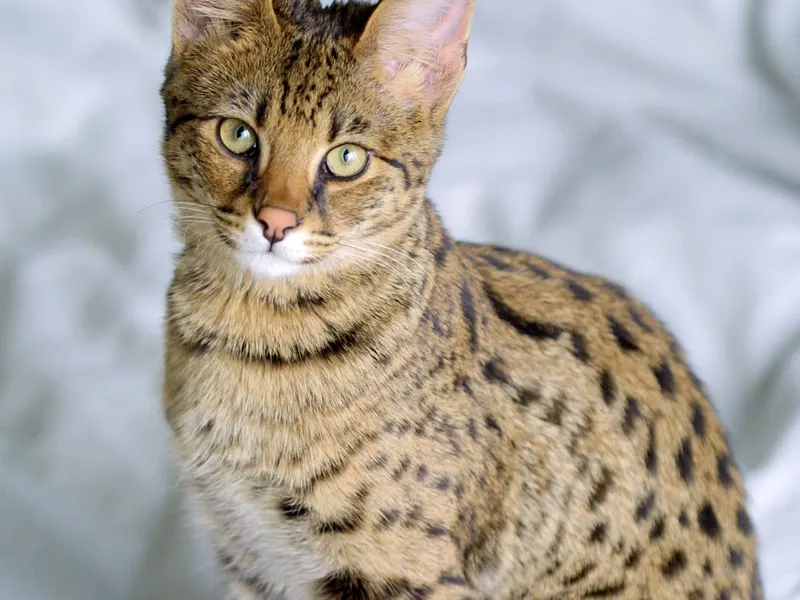
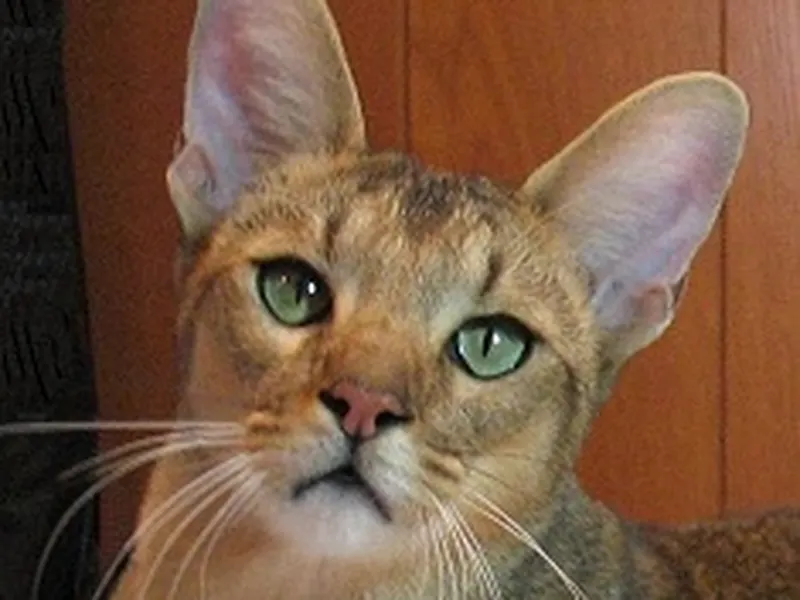
The head is relatively small for the body, with high cheekbones, a long muzzle and tall, broad ears, which may show black tips or small tufts. The eyes are typically gold to yellow or hazel. The tail is shorter than in most domestic cats, reaching roughly three-quarters of the way to the hock.
The coat is short, dense and close-lying, with a slight resilient texture.
Colors: TICA recognizes three colors:
- brown ticked tabby, with a ticked coat similar to the jungle cat
- solid black
- black grizzled tabby, a silver-tipped pattern inherited from the jungle cat
Chausies are often labeled by generation: early generations (F1 to F3) are closer to the wild ancestor, while later generations, called SBT, are the typical pet and show cats.
Personality and Temperament
Chausies are active, confident and very intelligent. They bond strongly with their family and often follow people closely. They are sociable with other cats and dogs, especially if raised with them.
Many are cautious with strangers. They are generally not lap cats; they prefer to be involved and close by. Their intelligence and energy mean they can be demanding if they are bored.
Chausies are known for being curious and fearless, often exploring cupboards, opening doors and investigating anything new. Their long legs let them jump to surprisingly high places, so expect them on top of refrigerators and bookshelves. Many owners describe them as dog-like in their loyalty and their interest in games.
Can Chausies Be Left Alone?
Chausies do not cope well with long periods alone. They are highly social, active cats that bond strongly with their family and can become bored and destructive.
A Chausie left alone all day may open cupboards, knock things down or climb to places you would rather it did not. If you work outside the home, a second active cat or a cat-friendly dog is strongly recommended. Before leaving, provide vigorous play, puzzle feeders and climbing space. A secure catio offers stimulation while you are out. For trips longer than a day, arrange a sitter who can play with the cat, not just feed it.
Are Chausies Good With Kids?
Chausies can do well with respectful, active children, especially older kids who enjoy playing with them. Their energy and confidence make them fun companions.
Because they are large, strong and very active, supervision is wise with young children. Chausies generally prefer play to being carried or cuddled, so children should learn to engage them with wand toys and games rather than picking them up. A Chausie needs a place to retreat when it wants a break. Later generations raised in a busy household are usually more relaxed with children and visitors than early-generation cats.
Can Chausies Be Indoor Cats?
Yes, Chausies can live indoors, but they need a lot of space, climbing options and daily activity to stay content.
Indoor Chausies benefit from tall, heavy-duty cat trees, wall shelves, secure window perches and vigorous play sessions several times a day. Many enjoy harness walks, and a secure catio or large outdoor enclosure is ideal for giving them safe outdoor time. Allowing a Chausie to roam freely is not recommended because of traffic, predators and the breed's hunting instinct. Local rules for hybrid cats may also require secure housing or specific permits, so check before bringing one home.
Activity, Play and Enrichment
This is among the most active breeds.
- Vigorous daily play with wand and chase toys.
- Tall, heavy-duty cat trees and secure shelves.
- Leash walks, a secure catio or a large outdoor enclosure.
- Puzzle feeders and training sessions.
- Another active cat or a cat-friendly dog for company.
They may be fascinated by water and often love to jump to high places.
Grooming and Shedding
The short, dense coat needs only a weekly brush. Shedding is light to moderate.
Recognized colors are brown ticked tabby, black and silver-tipped (grizzled), the latter a distinctive pattern inherited from the jungle cat. Trim nails regularly and offer plenty of scratching surfaces.
The standard calls for a large, long-bodied cat with tall ears, which may show black tips or small tufts. The tail is somewhat shorter than in most domestic cats. These features, together with the ticked coat, give the Chausie its wild appearance.
Feeding and Nutrition
Chausies are large, athletic and slow-maturing, and they need a complete, balanced diet that supports lean muscle. Kittens should eat a complete kitten diet, divided into several meals a day, until around one year. Adults do well on measured meals rather than free-feeding.
Digestive sensitivity: some Chausies have trouble digesting plant-heavy foods and do better on diets rich in animal protein. Ask your breeder what the kitten eats and keep the same diet at first. Make any change slowly over a week or more, and work with your vet if loose stools, vomiting or weight loss persist. Do not switch to homemade or raw diets without veterinary guidance, as they are easy to unbalance.
Weight and activity: active Chausies burn a lot of energy, but indoor cats with limited exercise can gain weight. Check body condition regularly, keeping the ribs easy to feel and the waist visible.
Enrichment: puzzle feeders and food-based training suit this intelligent breed. Count treats in the daily amount, and encourage water intake with a fountain or wet food.
| Adult weight | Indoor, less active | Typical adult | Active or intact |
|---|---|---|---|
| 12 lb | 250 kcal | 300 kcal | 350 kcal |
| 18 lb | 340 kcal | 410 kcal | 470 kcal |
| 25 lb | 430 kcal | 520 kcal | 610 kcal |
Estimates use the resting energy formula veterinarians work with (70 × body weight in kg0.75) and standard activity factors. Use the feeding guide on your food as a starting point and adjust to body condition. Kittens, seniors, pregnant animals and pets that need to lose weight have different needs, so ask your vet.
Health and Lifespan
Chausies typically live 12 to 15 years. Health points to know:
- Digestive sensitivity: some Chausies have trouble digesting plant-based ingredients and do better on a high-meat diet. Ask breeders what diet they recommend.
- Male fertility: early-generation males are often infertile, as in other hybrids.
- Otherwise, few specific inherited conditions are well documented.
Choose an experienced breeder who is open about health and generation.
Chausie Price and Cost of Ownership
Typical breeder price in the US$2,000 to $5,000
A later-generation Chausie kitten from a reputable US breeder typically costs around $2,000 to $5,000. Prices vary by breeder, region, lines and generation; early-generation cats closer to the jungle cat are usually more expensive and more often regulated. Ask the breeder which generation the kitten is and for health information on the parents.
Adoption is uncommon, though hybrid cat rescues occasionally place Chausies.
The main ongoing cost drivers are hybrid permits or registration fees where required, sturdy, heavy-duty cat trees and enclosures, a catio and food for a large, active cat. Finding a vet familiar with hybrid breeds may matter. Some pet insurers have specific rules for hybrid cats, so check policy terms before buying. Local hybrid restrictions can also affect future moves.
Is the Chausie Right for You?
Chausies suit experienced, active owners with time and space, and households with other pets for company.
Some US states, cities and countries restrict or require permits for hybrid cats, especially early generations. Check local rules before you buy. Chausies are also not ideal for small apartments or for people who are away all day.
Before buying, ask the breeder which generation the kitten is and how far it is from the original jungle cat cross. Later generations are typically more relaxed and are the ones usually sold as pets. A good breeder will interview you as much as you interview them.
Chausie Traits at a Glance
Chausie FAQ
Is the Chausie legal?
It depends on where you live. Some US states, cities and countries restrict or require permits for hybrid cats, especially early generations. Check local laws before buying.
How big do Chausie cats get?
Adults typically weigh 12 to 25 lb (about 5.5 to 11 kg), with long legs and a tall, lean build.
Are Chausies good pets?
For experienced owners, yes. They are affectionate and social but need lots of exercise and stimulation.
How much does a Chausie cost?
Later-generation kittens typically cost around $2,000 to $5,000 in the US. Prices vary by breeder, generation and region.
Do Chausies shed?
They shed lightly to moderately. A weekly brush is enough.
Are Chausies good with dogs?
Usually yes, especially when raised with them. Their confidence helps them get along with active, cat-friendly dogs.