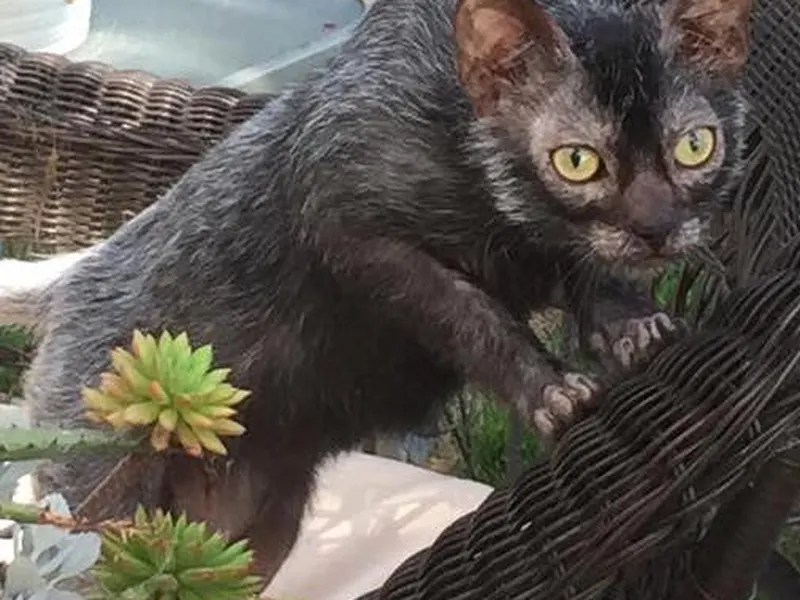
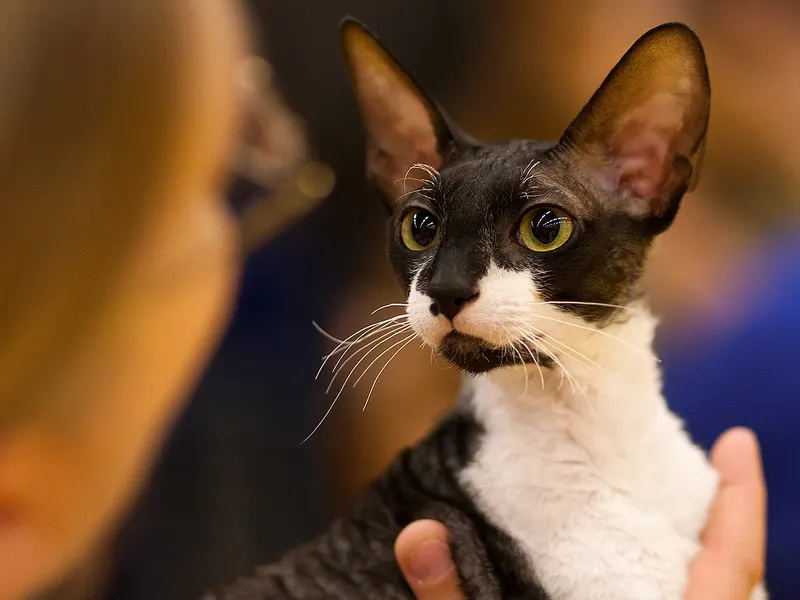
DonskoyRussia's warm, wrinkled hairless cat
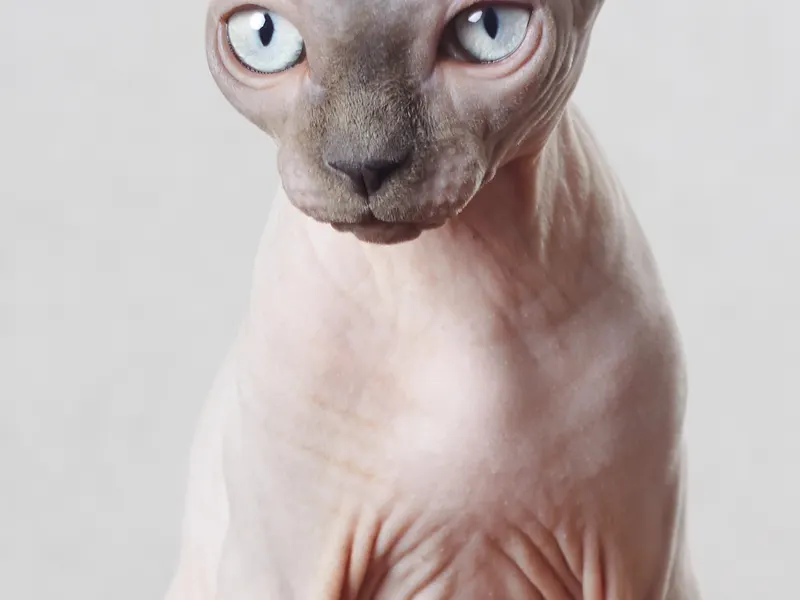
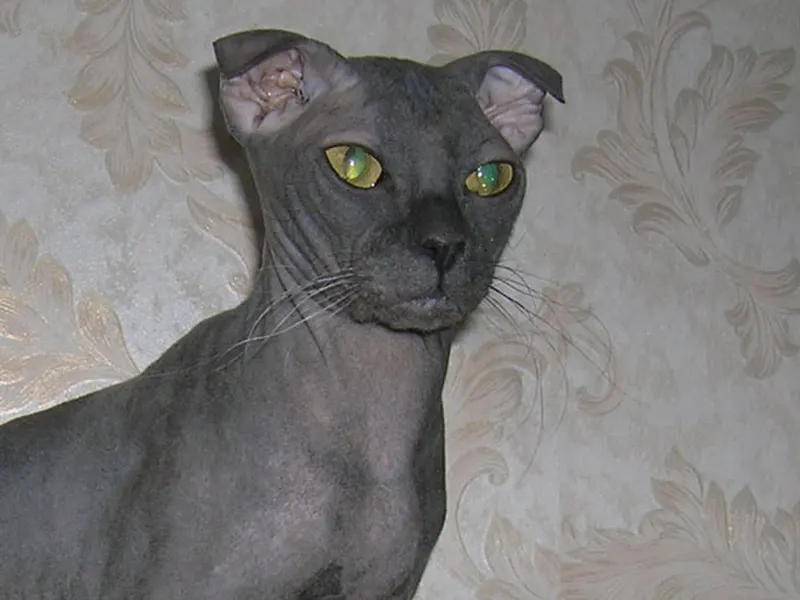
The Donskoy, also called the Don Sphynx, is a medium-sized hairless cat from Russia with wrinkled skin, large ears and a sturdy body. It is affectionate and sociable, and like all hairless cats it needs regular skin care, warmth and protection from the sun.
Why people love the Donskoy
- Friendly, loyal and people-focused
- Generally accepts visitors and other pets
- Hairless types barely shed
- Active, playful and intelligent
- Dog-like habit of following family members
Things to consider
- Needs regular bathing and skin care
- Sensitive to cold and sunburn
- Prefers not to be left alone long
- Rare in the US; expect to import
- Hairless breeding debated on welfare grounds
Health note: this breed is affected by health concerns linked to its body shape or coat. Read the health section and choose a breeder who screens their cats and breeds responsibly.
Hairless breeds face criticism on welfare grounds in parts of Europe; in Germany, breeding cats without whiskers is widely regarded as prohibited torture breeding. Some Donskoy are born without whiskers.
Is this breed right for you?
10 questions · live resultHistory and Origin
In 1987 Elena Kovaleva in Rostov-on-Don, Russia, rescued a kitten from boys who were mistreating it. The kitten, named Varvara, gradually lost her hair. Bred to a local tomcat, she produced hairless offspring, which became the foundation of the breed.
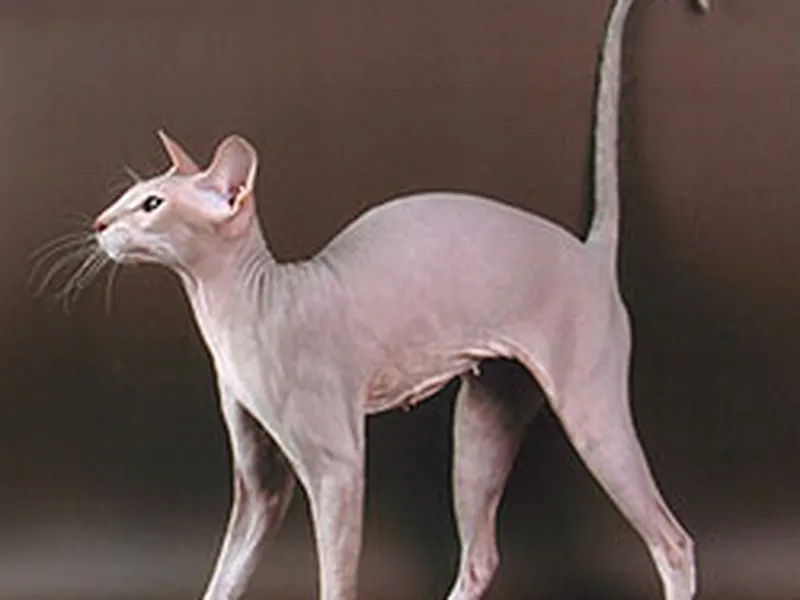
Unlike the Sphynx, whose hairlessness is recessive, the Donskoy's hairlessness is caused by a dominant gene, so a single copy can produce a hairless kitten. FIFe recognized the breed in the late 1990s and TICA in 2005. The Donskoy also contributed to the Peterbald, developed in St. Petersburg by crossing Donskoy with Oriental-type cats.
Coat Types, Skin and Build
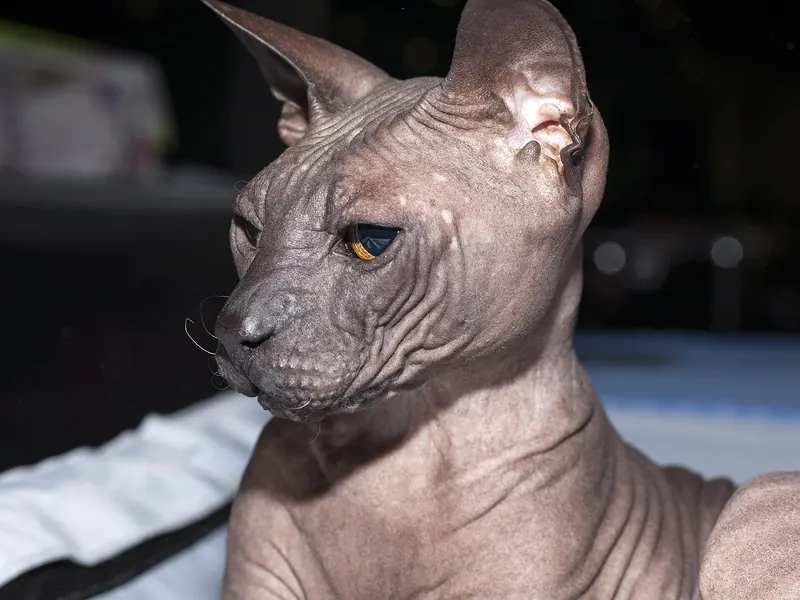
The Donskoy is a medium-sized, muscular cat weighing about 6 to 12 lb. It has a strong, well-built body, long legs, large, oval paws with long toes and a long, tapering tail. The head is a wedge with prominent cheekbones, large ears and almond-shaped eyes.
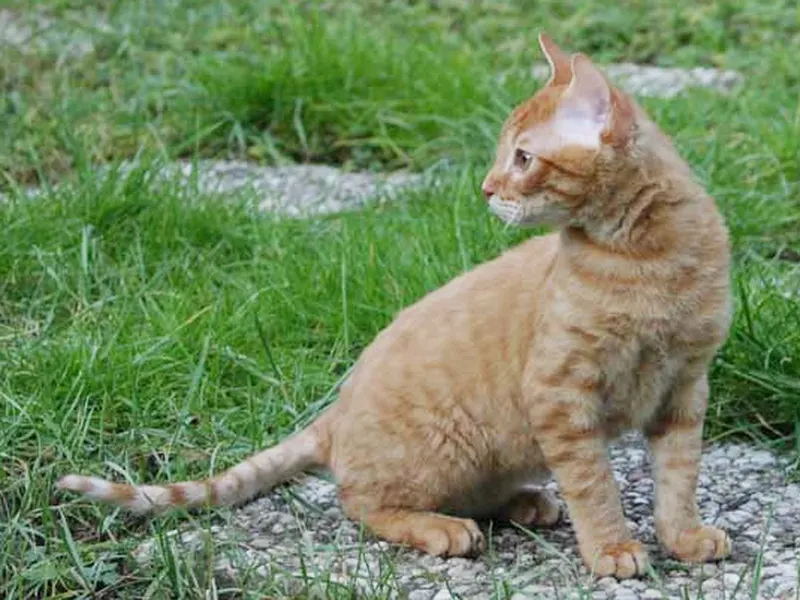
Coat types range from fully bald (rubber bald) to flock, velour and brush types. Some kittens born with hair lose it over the first years. The skin is soft, warm and wrinkled, especially on the head, neck and legs.
All colors and patterns are accepted, shown by skin pigment. Males are usually larger and heavier than females. Some cats have missing or curly, broken whiskers.
Unlike the Sphynx, the Donskoy's hairlessness comes from a dominant gene, so a hairless parent can produce both hairless and coated kittens in the same litter. Its body is also more muscular and robust than many hairless breeds. Body warmth and wrinkle depth can make the cat appear larger than it is. Breeders should avoid selecting for missing whiskers or extreme wrinkling.
Personality and Temperament
Donskoy are friendly, loyal and people-focused. They seek warmth and contact, sleep close to their owners and generally accept visitors easily.
- Usually patient with gentle children
- Generally get on with other cats and cat-friendly dogs
- Prefer not to be left alone for long periods
Many owners describe Donskoy as gentle and intelligent, with a dog-like habit of following family members and greeting them at the door.
Are Donskoy Cats Good for First-Time Owners?
Donskoys can suit first-time owners who are home often and ready for regular skin care.
They are friendly and adaptable, but their hairlessness requires bathing, ear cleaning and protection from cold and sun. First-time owners who keep a warm home and handle skin care calmly can do well. Those who want a low-maintenance cat should consider a coated breed.
Daily routines include wiping the skin, checking ear wax and keeping the cat warm. Many owners enjoy the close contact this care involves. Choose a breeder who explains the coat type you can expect and the care it needs.
Are Donskoy Cats Good with Kids?
Yes, Donskoys are usually patient with gentle children.
They are friendly and enjoy attention, which suits family homes. Teach children to handle the cat gently and to avoid scratching its bare skin. Supervise play, especially with young children.
Their warm, soft skin and affectionate nature make them popular with children. Keep their nails trimmed to protect both child and cat, and avoid outdoor play in the sun, since bare skin burns easily. A Donskoy that feels safe often seeks out children for cuddles and warmth.
Can Donskoy Cats Live with Dogs?
Yes, Donskoys generally get on with cat-friendly dogs.
Introduce the cat and dog gradually, with separated spaces and scent swapping. A calm, gentle dog that does not chase is the best match. Many Donskoys enjoy the warmth of sleeping next to a canine friend.
Keep the cat's food and litter box out of the dog's reach and supervise early meetings. Because Donskoys are people-focused and dislike long periods alone, a friendly dog can provide welcome company during the day.
A warm shared bed is often the result.
Activity, Play and Enrichment
They are active and playful, enjoying climbing, chase games and puzzle feeders. Provide warm resting spots such as heated pads or fleece-lined beds. Keep them indoors: they lose heat quickly and bare skin burns easily in the sun. A companion cat helps them keep warm and busy.
Grooming and Shedding
Coats range from fully bald (rubber bald) to flock, velour and brush types, and some kittens born with hair lose it over the first years.
- Bathe or wipe the skin regularly to remove oil
- Clean ears and nail folds weekly
- Use sweaters in cool weather if your cat accepts them
Hairless types barely shed, while brush-coated cats shed lightly.
Feeding and Nutrition
Hairless cats lose body heat faster than coated cats and often need more food to maintain body temperature. Feed by body condition: the cat should be lean and muscular, with ribs easy to feel. Adjust portions in cold weather if the cat starts losing weight.
- Feed kittens three or four small meals a day and adults two or three measured meals.
- Use puzzle feeders and play to encourage activity.
- Count treats in the daily ration.
Skin health matters for a hairless cat. A balanced, complete diet supports skin condition. If you notice persistent acne, yeast infections or oily skin, ask your vet whether diet may play a role. Encourage water intake with fresh water and, if your vet agrees, some wet food.
Hairless cats often eat more than coated cats of the same size, but weight gain is still possible, so weigh the cat regularly. Oily skin is normal, but sudden changes after a diet switch are worth discussing with your vet.
| Adult weight | Indoor, less active | Typical adult | Active or intact |
|---|---|---|---|
| 6 lb | 150 kcal | 180 kcal | 210 kcal |
| 9 lb | 200 kcal | 240 kcal | 280 kcal |
| 12 lb | 250 kcal | 300 kcal | 350 kcal |
Estimates use the resting energy formula veterinarians work with (70 × body weight in kg0.75) and standard activity factors. Use the feeding guide on your food as a starting point and adjust to body condition. Kittens, seniors, pregnant animals and pets that need to lose weight have different needs, so ask your vet.
Health and Lifespan
Donskoy are expected to live about 12 to 15 years, although breed-specific health data are limited. Practical concerns relate to hairlessness:
- Sunburn, skin injuries, acne and yeast infections
- Sensitivity to cold
- Some cats have missing or curly, broken whiskers
Hairless breeding is debated on welfare grounds in parts of Europe. In Germany, breeding cats that lack whiskers is widely regarded as prohibited under animal welfare law. Ask breeders about skin and dental health in their lines and whether they screen for heart disease.
Donskoy Price and Cost of Ownership
The Donskoy is rare in the US, and there is no reliable typical kitten price. Prices vary by breeder, region and lines, and many kittens are imported, which adds travel costs.
Adoption is rarely possible for this breed in the US.
Breed-specific ongoing costs include bathing supplies, ear cleaning products, sweaters, heated beds and a warm home. Veterinary costs may include treatment for skin infections, sunburn or dental issues. Insurance or an emergency fund is advisable.
Because prices vary widely and kittens may be imported, ask breeders about heart screening, skin health in their lines and the coat type each kitten is expected to develop. Breed-specific care supplies are a steady monthly expense.
Is the Donskoy Right for You?
A Donskoy suits people who are home often, keep a warm house and are happy to handle skin care. It does well in apartments and with gentle children and other pets.
The breed is rare in the US, so expect to search widely or import. Prices vary too much for a reliable typical range.
Donskoy Traits at a Glance
Donskoy FAQ
What is the difference between a Donskoy and a Sphynx?
Both are hairless, but the Donskoy's hairlessness is caused by a dominant gene and the Sphynx's by a recessive one. The Donskoy also has a sturdier, less pot-bellied build and different origins in Russia.
Are Donskoy cats hypoallergenic?
No cat is. Donskoy produce the Fel d 1 allergen; some allergy sufferers react less to hairless cats, but reactions vary.
Do Donskoy cats need baths?
Yes. Regular baths or wipe-downs remove the oils that build up on bare skin.
Are Donskoy cats born hairless?
Some are; others are born with some hair and lose it gradually during kittenhood and young adulthood.
How long do Donskoy cats live?
Roughly 12 to 15 years, though reliable data for this rare breed are limited.