Hairless Cat BreedsBare-skinned cats and how to care for them
These breeds have little or no coat because of natural genetic mutations. This page explains how the hairless breeds differ, what daily care they need and what they can and cannot do for people with cat allergies.
All Hairless Cat Breeds A to Z
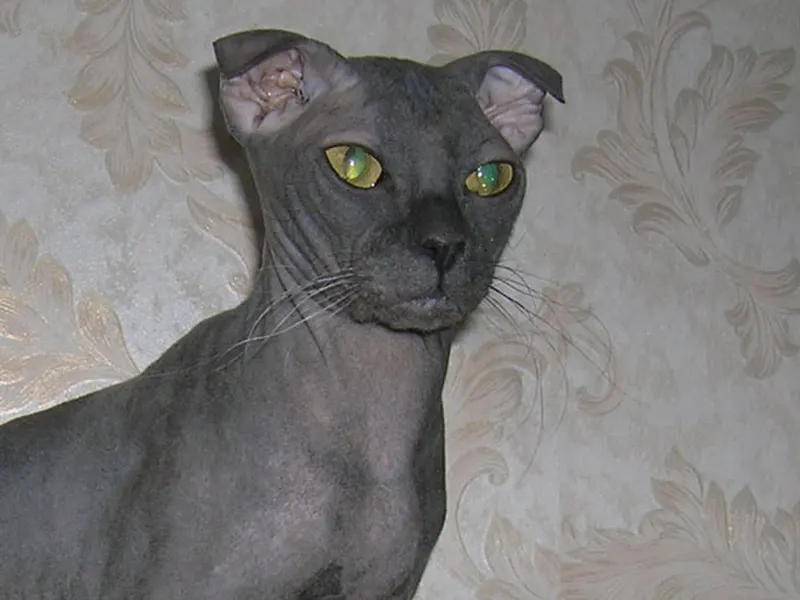
How cats become hairless
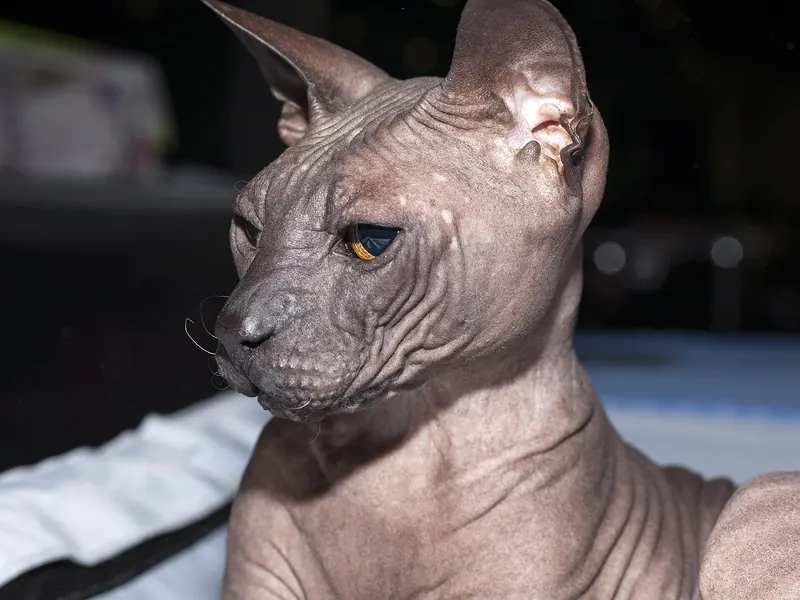
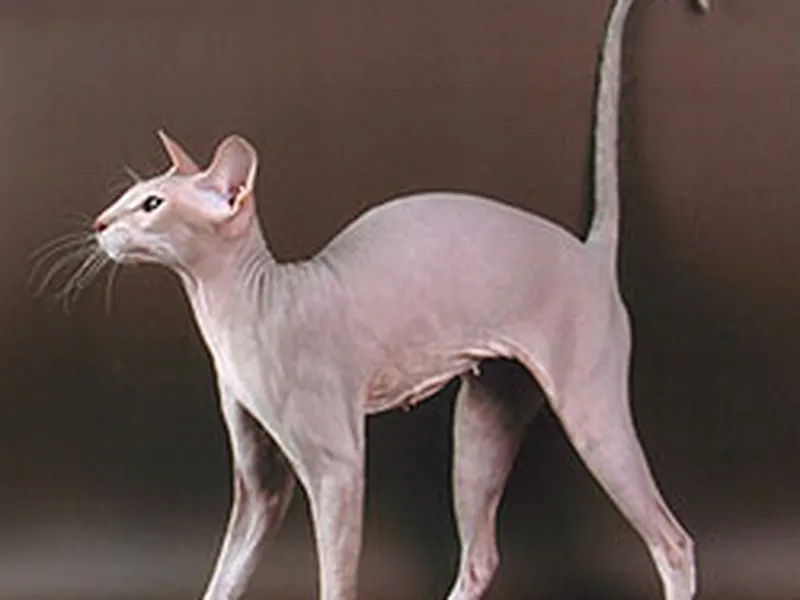
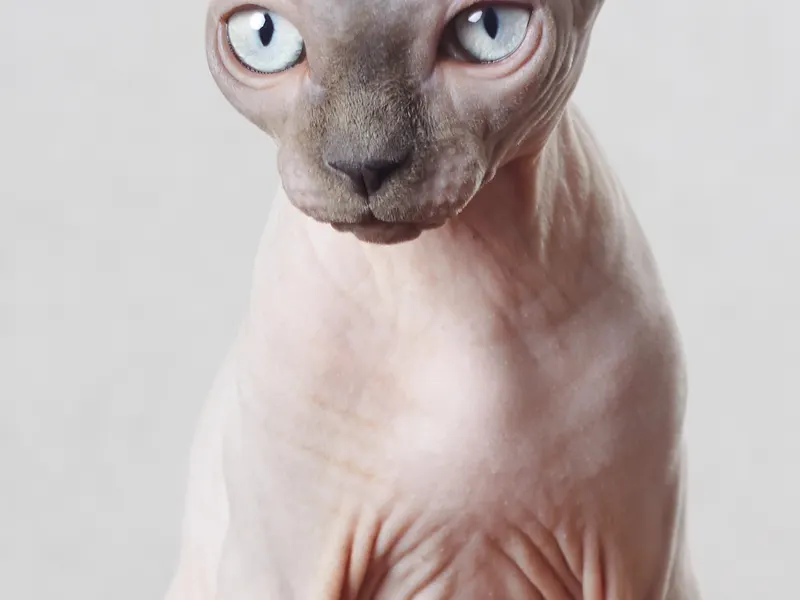
Hairless breeds trace back to spontaneous mutations that breeders then developed. The Sphynx began in Canada in the 1960s from a recessive gene, so both parents must carry it. The Donskoy, from Rostov-on-Don in Russia, carries a different, dominant hairless gene, and the Peterbald was created in St Petersburg by crossing the Donskoy with Oriental-type cats. The Ukrainian Levkoy combines hairlessness with folded ears.
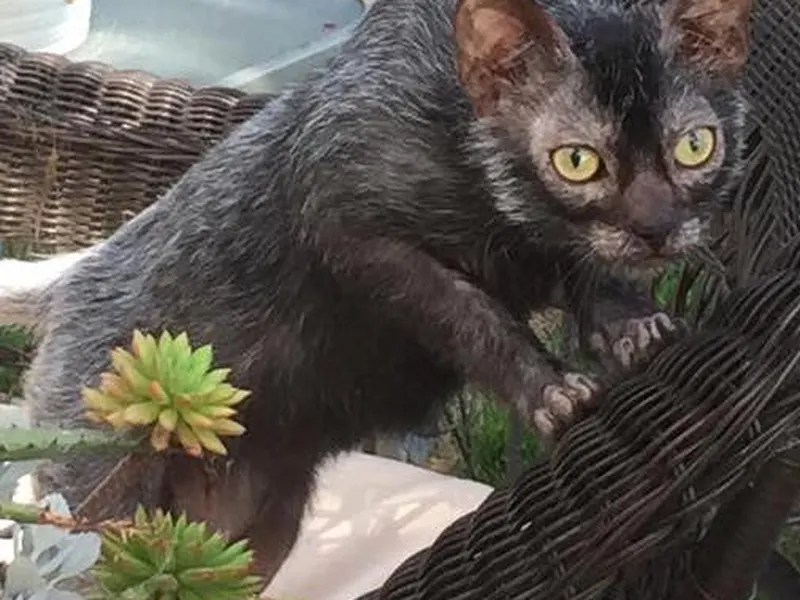
The Lykoi is a special case: it is only partially hairless, with a patchy, roan coat and bare areas around the eyes and muzzle, which earned it the nickname werewolf cat. Many hairless cats are not completely bald either. They often have a fine peach-fuzz down, and some Peterbalds and Donskoys have a brush coat or grow more hair in winter.
Daily care is different, not less
Hairless does not mean low maintenance. Without fur to absorb skin oils, these cats need regular care:
- Bathing: most need a gentle bath or wipe-down roughly every week or two to remove oily buildup.
- Ears and nails: wax and oil collect in the ears and nail folds, so clean them often.
- Warmth: they lose body heat quickly, so provide heated beds, blankets and, in cold homes, cat sweaters.
- Sun protection: bare skin can burn, so keep them indoors and limit strong direct sun.
- Food: a higher metabolism means many hairless cats eat more than coated cats of the same size.
Hairless cats and allergies
Hairless cats are not hypoallergenic. The main cat allergen, a protein called Fel d 1, is made mainly in the skin and saliva, not the hair itself, and spreads when cats groom. A hairless cat leaves less shed hair around, which helps some people, but it still produces the allergen. Allergen levels also differ between individual cats. If you have allergies, spend real time with the breed, ideally with the specific cat, before committing.
Welfare considerations
Hairlessness can come with missing or curled whiskers, which cats use to sense their surroundings, plus a higher risk of skin problems and sunburn. Some European welfare authorities have raised concerns about breeding hairless cats, and rules differ by country. The Ukrainian Levkoy also carries the folded-ear trait, which in the related Scottish Fold is linked to cartilage and bone disease. The Sphynx is known to be prone to hypertrophic cardiomyopathy, so ask breeders about heart screening.
Personality
Hairless breeds are known as some of the most social cats. The Sphynx, Donskoy and Peterbald tend to seek out laps, follow their people and dislike being alone. They suit households where someone is home often or where a second cat can keep them company.
Frequently Asked Questions
Are hairless cats hypoallergenic?
No. The Fel d 1 allergen comes from skin and saliva, so hairless cats still produce it. Some allergy sufferers react less, but individuals vary, so test your reaction before committing.
Do hairless cats need baths?
Yes. Most need a bath or wipe-down about every week or two because skin oils build up without fur to absorb them.
Do hairless cats get cold?
They lose heat quickly and seek warm spots. Keep them indoors, offer heated beds and blankets, and consider a sweater in cool homes.
What is the difference between a Sphynx and a Donskoy?
The Sphynx comes from Canada and its hairlessness is recessive. The Donskoy is Russian and carries a dominant hairless gene, and it may grow some hair seasonally.
Can hairless cats go outside?
It is best to keep them indoors. Bare skin sunburns easily and they cannot cope well with cold or wet weather.
Not sure which cat breed fits you?
Answer 10 quick questions and get cat breeds ranked for your home, schedule and family.