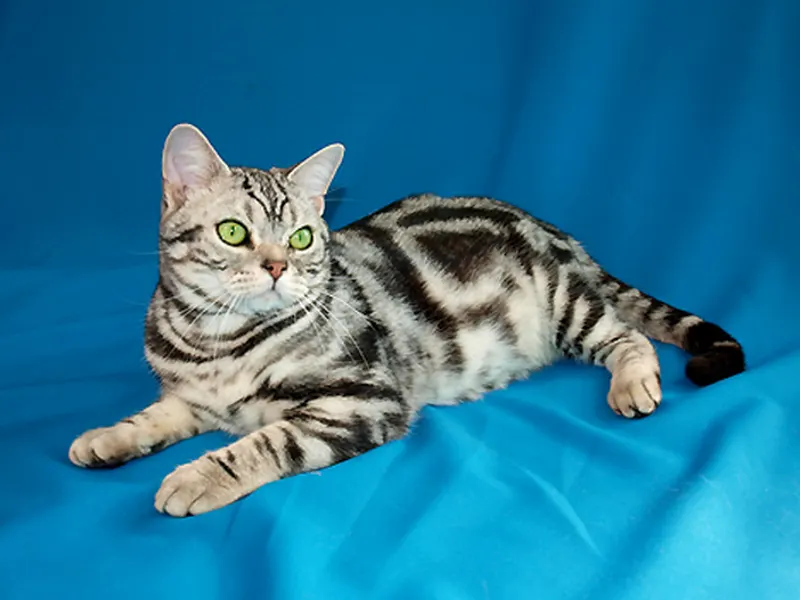
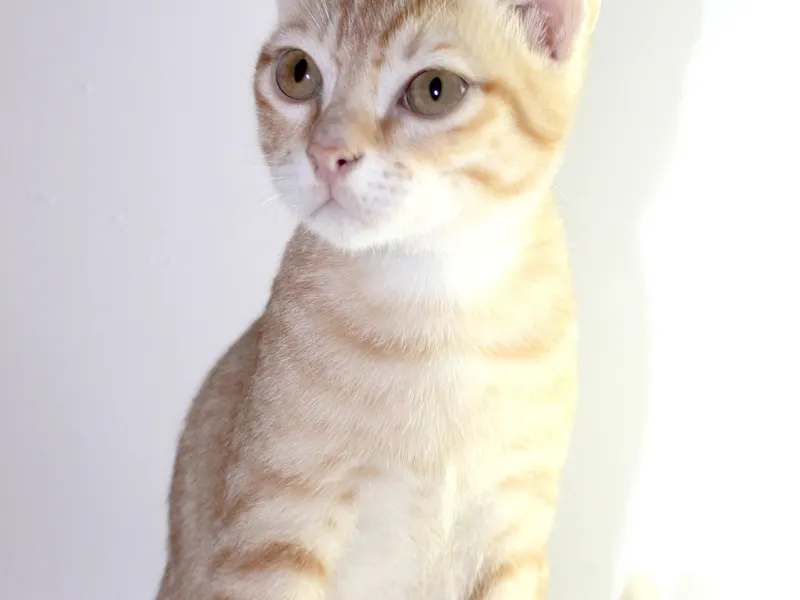
Domestic ShorthairNot a breed: the everyday mixed-ancestry cat
<p>Domestic Shorthair, often shortened to DSH, is not a breed. It is the label shelters and vets use for a shorthaired cat of mixed or unknown ancestry, which describes most of the world's pet cats. Because these cats come from a huge, varied gene pool, size, looks and personality differ widely from cat to cat, so you choose the individual rather than a breed profile.</p>
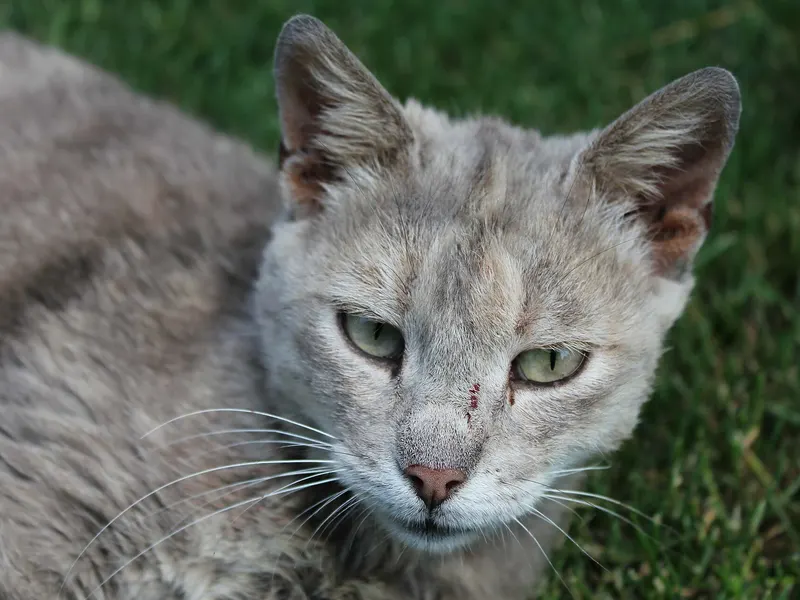
Why people love the Domestic Shorthair
- Huge variety of personalities, colors and sizes to choose from
- Often long-lived, commonly 12 to 20 years
- Easy-care short coat
- Low adoption fees with vaccines and neutering often included
- Broad gene pool reduces concentration of inherited breed diseases
Things to consider
- Personality and adult size are harder to predict in kittens
- Common feline issues such as dental disease and obesity still apply
- No breed standard or predictable traits
- Some individuals may be shy or independent
- Background and early socialization often unknown
Is this breed right for you?
10 questions · live resultHistory and Origin
Domestic Shorthairs have no single founder or breeder. They descend from the cats that spread alongside humans from the Near East, where wildcats began living near early farming settlements several thousand years ago. Cats then traveled along trade routes and on ships, controlling rodents, and spread to every inhabited continent.
Most pedigreed shorthair breeds, including the American Shorthair, British Shorthair and European Shorthair, were developed by selecting from these local cat populations. The difference is that a DSH has not been bred to a written standard or registered pedigree. In the UK the same cats are often called moggies; in the US, shelters may simply list them as "domestic shorthair" or "DSH" with a color, such as "DSH orange tabby."
Size, Coat and Colors
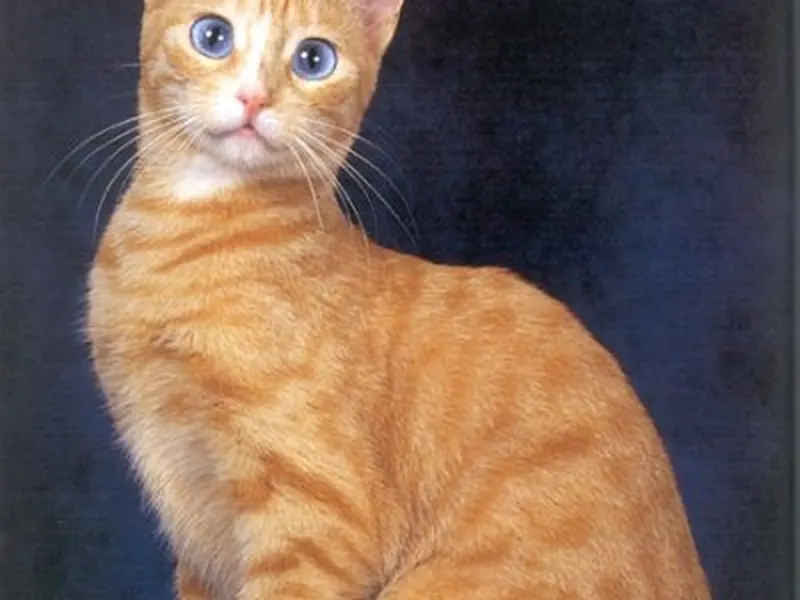
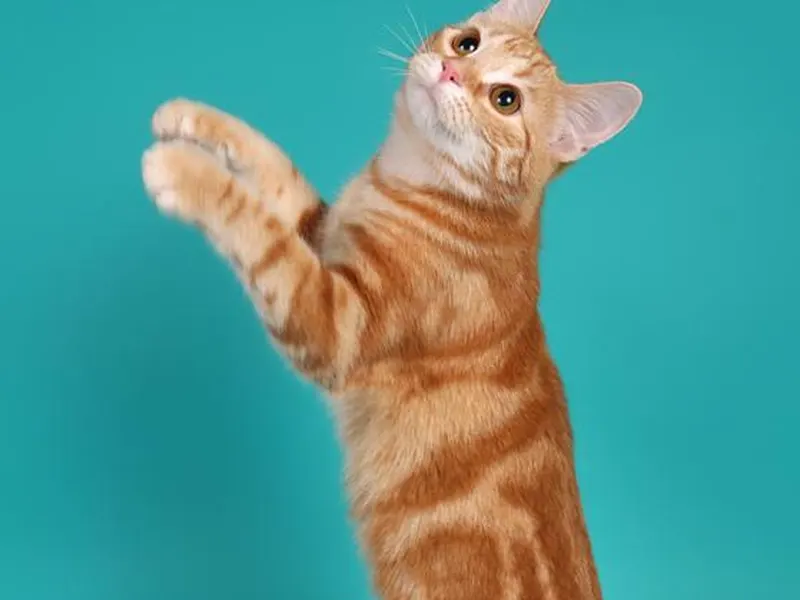
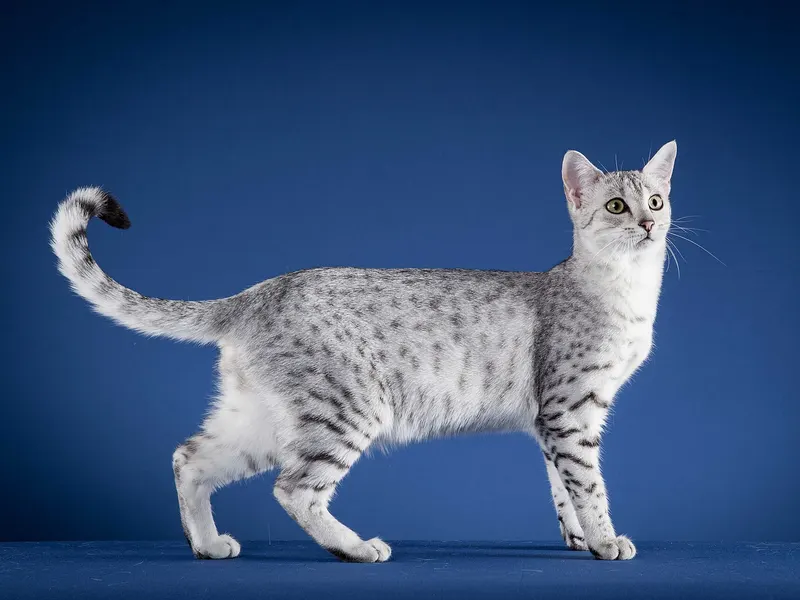
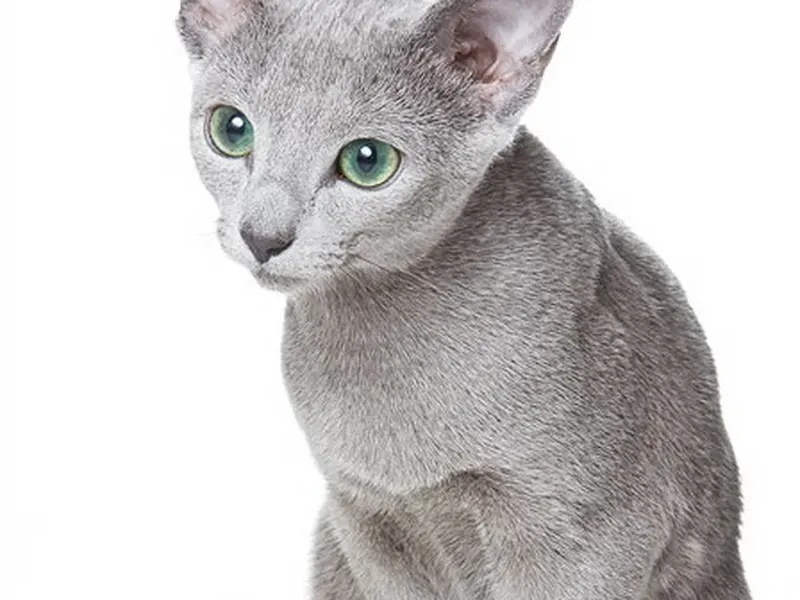
The Domestic Shorthair is not a breed but a description of shorthaired cats of mixed or unknown ancestry. Adults typically weigh about 8 to 15 lb, though individuals vary widely depending on their background, diet and activity. Males are generally larger and heavier than females, often with broader heads and fuller cheeks, especially if neutered later.
Body types range from lean and athletic to stocky and muscular. Head shapes, ear sizes and eye colors vary, so no two Domestic Shorthairs look exactly alike.
The coat is short and may be fine, plush or dense. Since there is no breed standard, any color or pattern is possible, including:
- Tabby (mackerel, classic, spotted and ticked).
- Solid colors such as black, white, gray and orange.
- Bicolor and tuxedo.
- Tortoiseshell and calico, almost always in females.
- Pointed patterns from Siamese-type ancestry.
Personality and Temperament
There is no typical DSH personality. Some are lap cats, some are independent hunters, and some are chatty attention-seekers. What shapes temperament most is early life: kittens handled gently by people between about two and seven weeks of age tend to grow into more confident, sociable adults.
This is why adopting an adult can be a smart move. With a grown cat, the shelter or foster carer can tell you whether it likes children, tolerates dogs, enjoys being held or prefers its own space. Ask specific questions about how the cat behaves at home, not just at the shelter.
Is a Domestic Shorthair Good for First-Time Owners?
Yes. Domestic Shorthairs are often the best choice for first-time cat owners because of their availability, low cost and adaptability.
Adopting an adult cat whose personality is already known reduces surprises. Shelters and rescues can help match a cat to your lifestyle, whether you want a lap cat, an independent cat or a playful companion. First-time owners should plan for routine vet care, dental care and weight management, since Domestic Shorthairs face the same common health issues as other cats.
Are Domestic Shorthairs Lap Cats?
Some are, some are not. Personality varies widely among Domestic Shorthairs, so whether a cat enjoys laps depends on the individual.
Early socialization plays a big role. Kittens handled gently between about two and seven weeks of age tend to grow into more sociable adults. If you want a lap cat, adopting an adult whose personality is known is the most reliable approach. Shelters and foster carers can often tell you which cats seek out laps and which prefer to sit nearby.
Should a Domestic Shorthair Be an Indoor-Only Cat?
Indoor-only living is widely recommended in the US for safety and health. Indoor cats face lower risks from traffic, predators, infectious diseases and parasites, and they often live longer.
Indoor life requires enrichment. Provide scratching posts, cat trees, window perches, puzzle feeders and daily play sessions. Many owners also use catios, harness walks or supervised outdoor time to give cats safe outdoor access. Some Domestic Shorthairs with a history of outdoor living may need a gradual transition to indoor life.
Activity, Play and Enrichment
Energy levels vary, but most DSH cats are moderately active, with play peaks at dawn and dusk. Kittens and young adults usually need more play than older cats.
- Two short daily sessions with a wand toy, ending with a "catch" and a treat, satisfy the hunting sequence.
- Scratching posts, both vertical and horizontal, protect furniture.
- Window perches, cardboard boxes and food puzzles add variety for indoor cats.
Indoor-only, catio or supervised outdoor access each work; the right choice depends on local traffic, wildlife rules and the individual cat.
Grooming and Shedding
The short coat is easy to keep. A weekly brush with a rubber mitt or soft bristle brush removes loose hair and doubles as bonding time. Most shed moderately, more in spring and fall. Coat colors and patterns can be anything: tabby, solid, bicolor, tortoiseshell, calico or pointed.
Trim nails every few weeks for indoor cats and get your cat used to tooth brushing early, as dental disease is common in adult cats.
Feeding and Nutrition
Domestic Shorthairs face the same common feeding challenges as most cats. Obesity is especially common in neutered indoor males and increases the risk of diabetes and joint problems. Use measured meals rather than free feeding, and check body condition by feeling for ribs and looking for a waist.
Kittens need a complete kitten food until about 12 months, fed three to four times a day at first. Adults do well with two to three measured meals.
- Encourage hydration with wet food, water fountains or multiple bowls, which supports urinary health.
- Dental disease is very common; discuss dental care with your vet, including tooth brushing.
- Puzzle feeders slow eating and add enrichment for indoor cats.
- Senior cats may need adjustments for kidney disease or hyperthyroidism, guided by your vet.
Keep treats to a small share of daily intake and use play as a reward when possible.
| Adult weight | Indoor, less active | Typical adult | Active or intact |
|---|---|---|---|
| 8 lb | 180 kcal | 220 kcal | 260 kcal |
| 12 lb | 250 kcal | 300 kcal | 350 kcal |
| 15 lb | 290 kcal | 350 kcal | 410 kcal |
Estimates use the resting energy formula veterinarians work with (70 × body weight in kg0.75) and standard activity factors. Use the feeding guide on your food as a starting point and adjust to body condition. Kittens, seniors, pregnant animals and pets that need to lose weight have different needs, so ask your vet.
Health and Lifespan
Mixed-ancestry cats often live 12 to 20 years, and a broad gene pool means inherited breed-specific diseases are less concentrated. That does not make them immune to illness. The common problems in DSH cats are the same ones vets see in cats generally:
- Dental disease, including tooth resorption.
- Obesity and diabetes, especially in neutered indoor males.
- Chronic kidney disease and hyperthyroidism in older cats.
- Lower urinary tract problems, often linked to stress and low water intake.
Annual checkups, twice-yearly once your cat is a senior, catch these early. Spaying or neutering, vaccinations and parasite control matter for every DSH.
Domestic Shorthair Price and Cost of Ownership
Domestic Shorthairs are not sold as a breed, so there is no typical breeder price. Most are adopted from shelters or rescues for a modest fee that often includes vaccines, spay or neuter surgery and a microchip. Kittens and adults are widely available across the US.
Ongoing cost drivers include:
- Routine vet care, vaccines and parasite prevention.
- Dental cleanings, as dental disease is very common in adult cats.
- Weight management and possible treatment for diabetes in overweight cats.
- Senior care for kidney disease or hyperthyroidism.
- Insurance, which can help with unexpected illnesses.
Adopting a bonded pair of cats can be a good option for people away during the day, and many shelters reduce fees for pairs.
Is the Domestic Shorthair Right for You?
For most households, a Domestic Shorthair is an excellent choice. You can find one in nearly any size, color and temperament, and there are always many waiting in shelters and rescues. Adoption fees are usually far lower than breeder prices and often include vaccines, neutering and a microchip.
The trade-off is less predictability. A kitten's adult size and personality are harder to forecast than with a pedigreed breed, so if you have specific needs, such as a cat that is good with dogs or calm enough for a small apartment, adopting an adult with a known temperament is the most reliable route.
Domestic Shorthair Traits at a Glance
Domestic Shorthair FAQ
Is a Domestic Shorthair a breed?
No. Domestic Shorthair describes a shorthaired cat of mixed or unknown ancestry, not a pedigreed breed with a standard.
How big do Domestic Shorthair cats get?
Most adults weigh about 8 to 15 lb (roughly 3.5 to 7 kg), but individuals vary widely depending on their ancestry and diet.
How long do Domestic Shorthairs live?
Often 12 to 20 years, especially when kept indoors or in safe outdoor setups with regular vet care.
What is the difference between a Domestic Shorthair and an American Shorthair?
The American Shorthair is a registered breed with predictable type and recorded pedigree. A Domestic Shorthair can look similar but has no pedigree and varies more.
Are Domestic Shorthairs good with kids?
Many are, but it depends on the individual. Adopting an adult whose behavior around children is already known is the safest choice for families.
How much does a Domestic Shorthair cost?
Most are adopted from shelters or rescues for a modest fee that often includes vaccines and neutering. They are not normally sold as a breed.