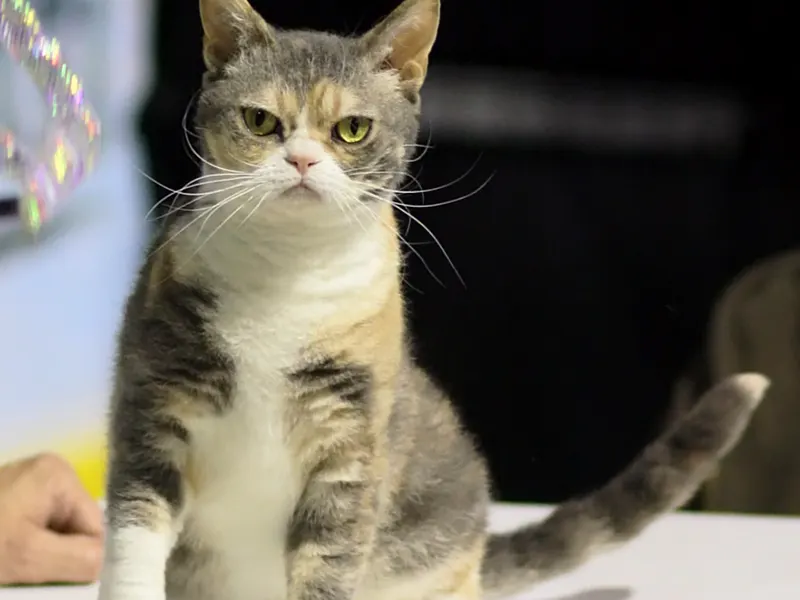
Domestic MediumhairNot a breed, but a coat type
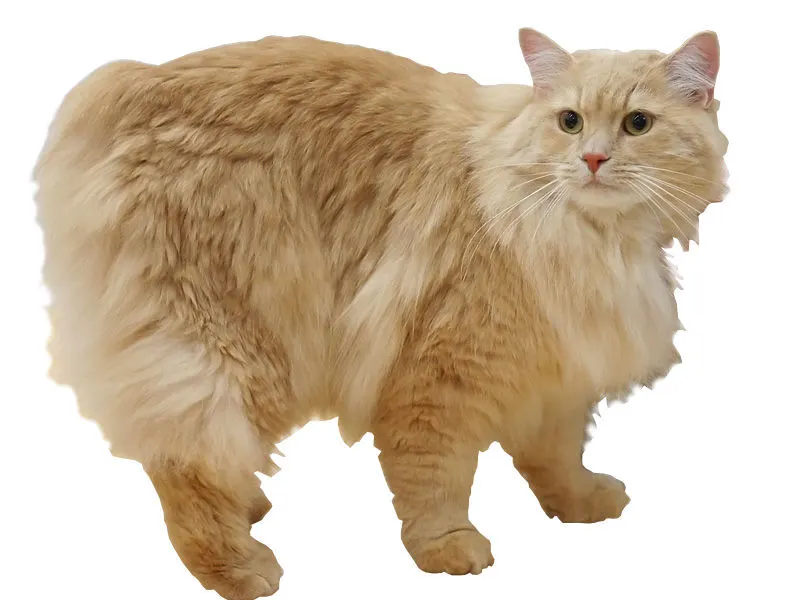
A Domestic Mediumhair is not a breed: it is a cat of mixed or unknown ancestry with a coat longer than a shorthair but shorter than a full longhair. These cats vary widely in looks and personality, and they make up a large share of cats in shelters.
Why people love the Domestic Mediumhair
- Wide choice of personalities, colors and sizes
- Often lower risk of breed-specific inherited disease
- Easy to find through shelters and rescues
- Medium coat is easier than a full longhair
- Adoption fees usually include vaccinations and neutering
Things to consider
- Temperament and size are unpredictable in kittens
- Sheds moderately to heavily
- Coat can tangle without weekly brushing
- No pedigree means unknown ancestry
- Indoor cats prone to weight gain
Is this breed right for you?
10 questions · live resultHistory and Origin
"Domestic Mediumhair" is a description used by shelters, vets and rescues, not a pedigree breed with a standard. It covers random-bred cats whose coat is semi-long, often with a fluffy tail and a slight ruff, but without the full coat of a Maine Coon or Persian.
The longer coat comes from recessive longhair genes that are widespread in the general cat population. Many medium-haired cats have a long-haired ancestor somewhere, and two shorthaired parents can produce medium-haired kittens. Shelters may label a cat "Maine Coon mix" or similar, but such labels are usually guesses based on looks.
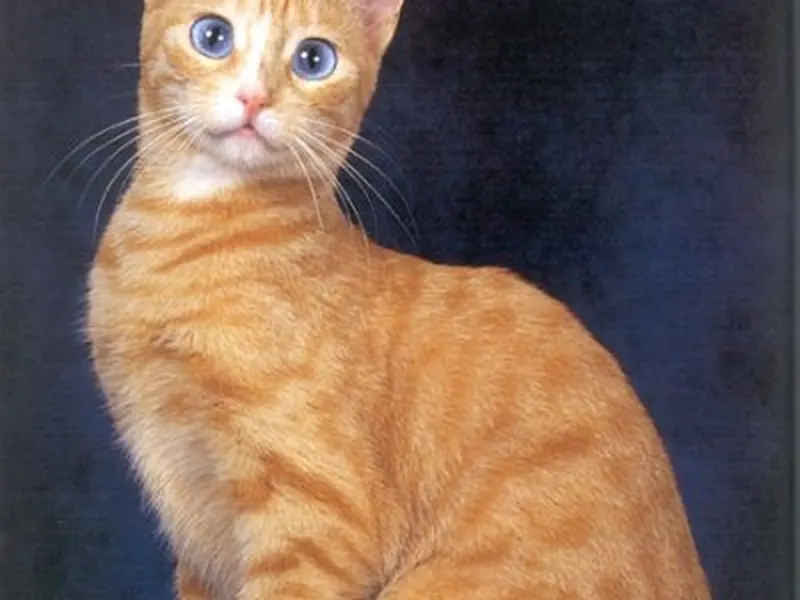
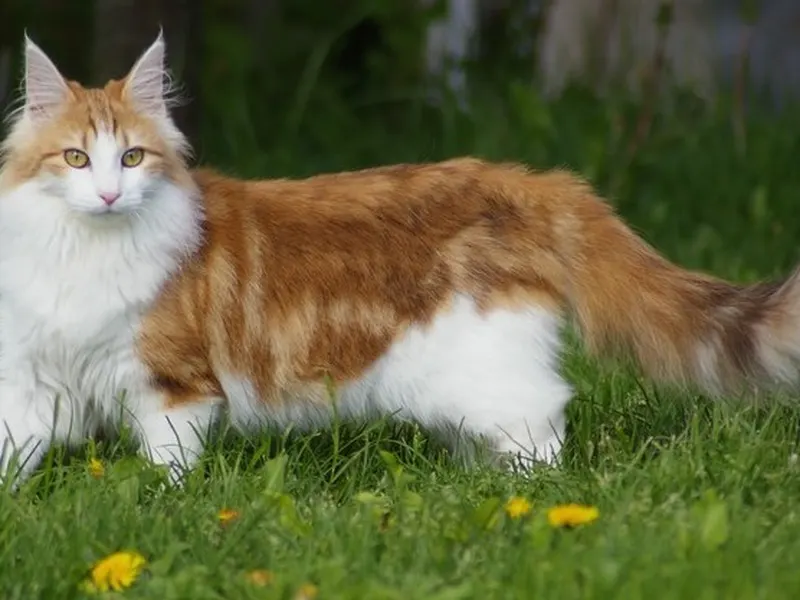
Coat length and color say little about ancestry. A medium-haired orange tabby or a fluffy tuxedo cat is still a Domestic Mediumhair unless pedigree papers prove otherwise.
Size, Coat and Colors
A Domestic Mediumhair is a mixed-ancestry cat with a coat between short and long. Adults typically weigh about 7 to 15 lb. Males are generally larger and heavier than females, though size varies widely.
Body type ranges from slender to sturdy, with no fixed head shape or ear size.
The coat is semi-long, often with a fluffy tail, a slight ruff and feathering on the legs and ears. It may be silky or slightly dense, depending on genetics.
Domestic Mediumhairs come in every color and pattern:
- Solid colors such as black, white, gray, orange and cream
- Tabby patterns: mackerel, classic, spotted and ticked
- Tortie, calico and bicolor patterns
- Occasionally colorpoint or silver variations
Eye color varies widely. Coat color and length do not indicate ancestry.
Personality and Temperament
There is no typical temperament, because there is no fixed ancestry. A Domestic Mediumhair can be a shy lap cat, a bold explorer or anything between.
Personality depends mostly on early socialization, life experience and the individual cat. When adopting, ask shelter staff or foster carers how the cat reacts to handling, children, dogs and other cats. Adult cats are often a better bet than kittens if you need a specific temperament, because their personality is already visible.
Are Domestic Mediumhair Cats Good for First-Time Owners?
Yes, they are often an excellent choice, especially an adult cat whose personality is already known. Shelters and rescues usually know whether a cat is relaxed, shy, playful or cuddly, which removes much of the guesswork for beginners.
First-time owners should plan for weekly brushing, since the semi-long coat can tangle behind the ears, under the legs and around the rear. Ask the shelter about the cat's history with handling, other pets and children, and whether it has lived indoors. Many rescues offer trial periods or foster-to-adopt programs, which let new owners confirm the match before committing.
Are Domestic Mediumhair Cats Good With Kids?
Many are, but it depends on the individual cat rather than any breed tendency. A cat that was handled kindly by children as a kitten is far more likely to enjoy family life than one with little early contact.
When adopting for a family, ask shelter staff or foster carers for cats known to tolerate noise and handling. Adult cats with a proven record are usually a safer choice than kittens, whose sharp claws and fragile bodies also need careful handling. Teach children to let the cat approach, to stroke rather than hold, and to leave it alone when it retreats. Always provide high or closed hideaways.
Should Domestic Mediumhair Cats Be Indoor-Only?
Many veterinarians and shelters recommend indoor living, or safe outdoor access through a catio or harness walks, to reduce risks such as traffic, predators, fights and infectious disease. Some shelters require indoor homes as part of adoption.
Indoor cats need enrichment to stay healthy: climbing furniture, scratching posts, window perches and daily play. Cats adopted from outdoor or feral backgrounds may need a gradual transition and extra stimulation. A medium coat also collects burrs and debris outdoors, so indoor cats tend to need less detangling. Whatever you choose, microchipping and up-to-date vaccinations are essential.
Activity, Play and Enrichment
Needs vary, but most cats benefit from:
- Two short play sessions a day with wand or chase toys.
- A scratching post and at least one high perch.
- Puzzle feeders, especially for indoor cats prone to weight gain.
Young cats generally need more play than seniors. Watch your cat's response and adjust.
Grooming and Shedding
A medium coat is easier than a full longhair but still sheds considerably and can tangle.
- Brush once or twice a week, more during spring and fall molts.
- Check behind the ears, under the legs and around the rear, where knots form first.
- Senior or overweight cats may need help, as they groom themselves less well.
Regular brushing also reduces hairballs.
Feeding and Nutrition
Domestic Mediumhairs vary widely in size, build and activity, so feeding should be based on the individual cat rather than a breed profile. Indoor, neutered cats are especially prone to weight gain, so measure portions and adjust as your cat's age and activity change.
The semi-long coat can hide extra weight. Feel for ribs and a waist regularly, and weigh your cat at home or at vet visits.
- Feed kittens three to four meals a day and adults at least two measured meals.
- Puzzle feeders and food balls encourage activity and slow eating.
- Fresh water and some wet food support hydration and urinary health, which is especially relevant for male cats.
- Regular brushing reduces swallowed hair and hairballs.
Shelter cats sometimes arrive underweight or overweight; let your vet set a target weight and plan the change gradually. Senior cats may need diet adjustments for kidney or dental health, guided by your vet.
| Adult weight | Indoor, less active | Typical adult | Active or intact |
|---|---|---|---|
| 7 lb | 170 kcal | 200 kcal | 230 kcal |
| 11 lb | 230 kcal | 280 kcal | 330 kcal |
| 15 lb | 290 kcal | 350 kcal | 410 kcal |
Estimates use the resting energy formula veterinarians work with (70 × body weight in kg0.75) and standard activity factors. Use the feeding guide on your food as a starting point and adjust to body condition. Kittens, seniors, pregnant animals and pets that need to lose weight have different needs, so ask your vet.
Health and Lifespan
Mixed-ancestry cats are less likely to carry breed-specific inherited diseases, though they are not immune to common feline problems such as dental disease, obesity, kidney disease and hyperthyroidism in older age.
Size typically falls between 7 and 15 lb, depending on build and sex. Indoor cats with good care often live 12 to 18 years, and some much longer. Regular vet checks, vaccinations, dental care and weight management matter more than ancestry.
Domestic Mediumhair Price and Cost of Ownership
Domestic Mediumhairs are not pedigree cats, so there is no breeder price range. Most are adopted from shelters and rescues, where adoption fees vary by organization and region and are often reduced for adult or senior cats. Fees usually include vaccinations, neutering and microchipping, which makes adoption good value.
Kittens are sometimes offered privately, but adoption gives you health checks and support from the organization.
Ongoing cost drivers include:
- A wide-toothed comb and brush for the medium coat
- Occasional professional grooming for older or overweight cats with mats
- Routine vet care, vaccinations and dental care
- Insurance for common feline conditions
- Enrichment for indoor cats
- Senior care such as kidney and thyroid monitoring
Is a Domestic Mediumhair Right for You?
A good match if you want a cat chosen for its individual personality rather than a breed label, and you are happy with weekly brushing.
Think twice if you need a very low-shedding cat or want predictable traits, which only a well-bred pedigree can approximate.
Most Domestic Mediumhairs come from shelters and rescues, where adoption fees are usually modest and typically include vaccinations and neutering.
When choosing, spend time with several cats, ask about history in previous homes, and consider a bonded pair if you are out during the day. Many rescues offer trial periods or foster-to-adopt options.
Domestic Mediumhair Traits at a Glance
Domestic Mediumhair FAQ
Is a Domestic Mediumhair a breed?
No. It describes a mixed-ancestry cat with a medium-length coat, not a pedigree breed.
How big do Domestic Mediumhair cats get?
Most weigh about 7 to 15 lb, but size varies widely by individual.
Do Domestic Mediumhairs shed a lot?
They shed moderately to heavily, especially seasonally. Brushing once or twice a week helps.
How long do Domestic Mediumhair cats live?
Indoor cats commonly live 12 to 18 years with good care.
Are Domestic Mediumhairs healthy?
Mixed ancestry lowers the risk of breed-specific inherited disease, but routine vet and dental care are still important.
Could my Domestic Mediumhair be a Maine Coon?
Without pedigree papers there is no way to know. Many medium-haired cats resemble breeds without having pedigree ancestry.