Domestic LonghairNot a breed, but a long-coated original
Domestic Longhair (DLH) is the label vets and shelters use for a long-haired cat of mixed or unknown ancestry. These cats are not a breed, so size, looks and temperament vary widely, but they share one practical feature: a long coat that needs regular grooming.
Why people love the Domestic Longhair
- Wide range of looks and personalities to choose from
- Readily available through shelters and rescues
- Low adoption fees compared with breeder prices
- Broad gene pool reduces concentrated breed diseases
- Adult personalities can be assessed before adoption
Things to consider
- Long coat needs regular combing to prevent mats
- Moderate to heavy shedding, more hairballs
- Size, health and temperament are unpredictable in kittens
- Woolly coats may need professional grooming
- Not a breed, so no breeder history or standard
Is this breed right for you?
10 questions · live resultWhat a Domestic Longhair Is
Most cats in the world are not pedigreed. They are random-bred house, farm and street cats whose parents chose each other. Vets, shelters and insurers record them by coat length: Domestic Shorthair, Domestic Mediumhair or Domestic Longhair. In the UK they are often called moggies.
Long hair in cats comes from a recessive gene, so two short-haired parents can carry it and produce long-haired kittens. The gene spread long ago, with long-haired cats documented in Turkey, Iran and Russia for centuries. A Domestic Longhair may have pedigree ancestors such as a Persian or Maine Coon, but without papers its background is unknown, and a fluffy shelter cat that looks like a Maine Coon is still a DLH.
Size, Coat Types and Colors
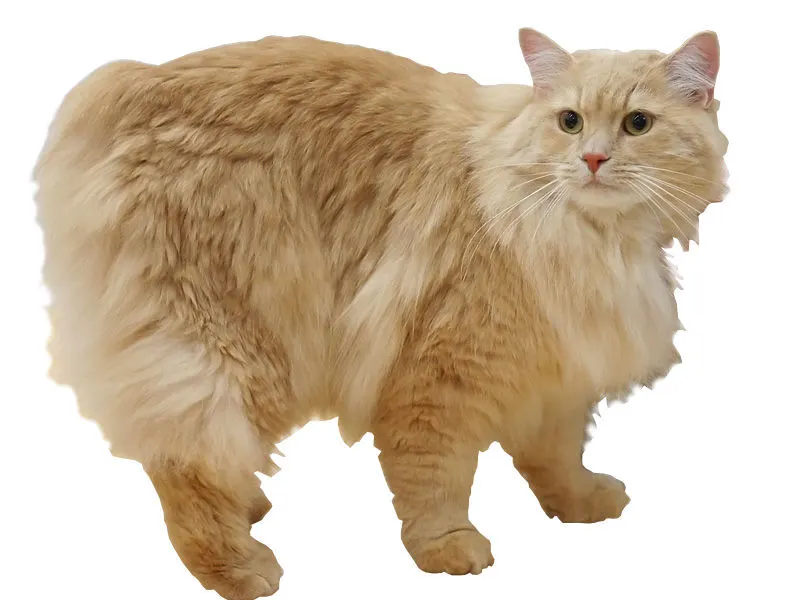
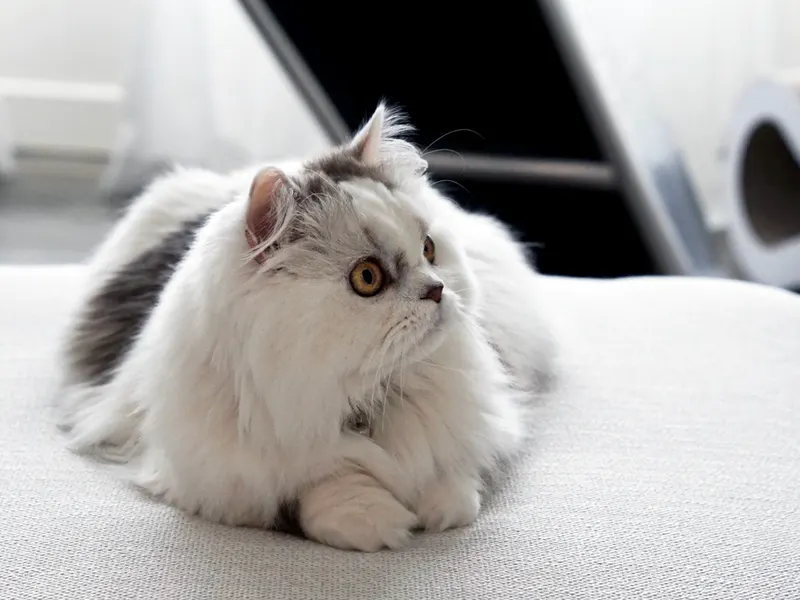
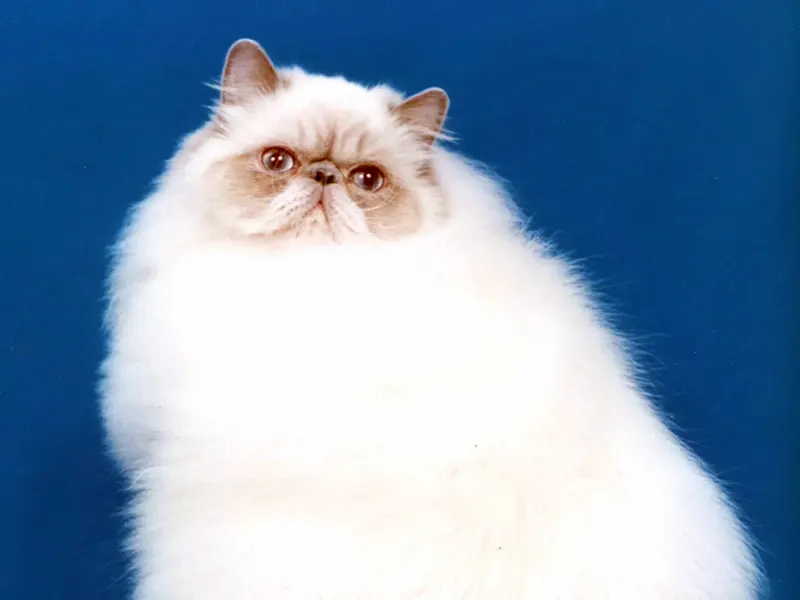
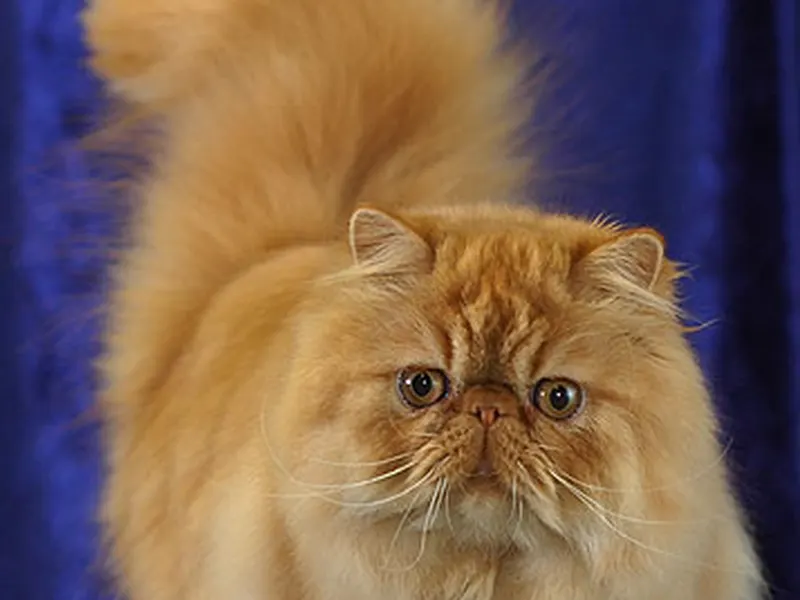
Because the Domestic Longhair is a mixed-breed cat rather than a breed, appearance varies widely. Most weigh about 8 to 15 lb, but some are smaller and some much larger, depending on ancestry. Body shape can range from compact and cobby to long and rangy, and head shape, ear size and eye color differ from cat to cat.
What they share is long hair, usually 2 inches or more on the body. Coat types vary:
- Silky coats with little undercoat, which tangle less.
- Dense, woolly coats with a heavy undercoat, similar to a Persian, which mat easily.
- Semi-long coats with a ruff, britches and a plumed tail, similar to a Maine Coon or Norwegian Forest Cat.
Every color and pattern exists in Domestic Longhairs, including tabby, solid, tortoiseshell, calico, bicolor and pointed. Males are often larger and heavier than females, especially when neutered late.
Personality and Temperament
Because they are mixed, Domestic Longhairs have no breed temperament. Personality depends on genetics, early socialization and life experience. Some are lap cats, some are independent hunters, some are chatty and some barely meow.
- Kittens handled gently between about 2 and 7 weeks of age tend to be more confident with people
- Adult shelter cats are a good choice if you want to know the personality in advance
- Ask shelter staff or foster carers how a cat behaves with children, dogs and other cats
Is a Domestic Longhair Good for First-Time Owners?
Yes, a Domestic Longhair can be an excellent first cat, especially an adult adopted from a shelter or foster home where its personality is already known. Mixed-breed cats are generally hardy, and you can choose a calm, friendly individual to suit your home.
The main extra task for first-time owners is grooming. Long coats need combing several times a week, more for woolly coats, and mats should be removed with care, not cut out with scissors. Ask the shelter how the cat tolerates brushing before you adopt. A cat that accepts grooming and has an easy-care silky coat is the most beginner-friendly choice.
Should a Domestic Longhair Be an Indoor-Only Cat?
Indoor living is generally recommended, and most US vets and shelters advise it. Indoor cats avoid traffic, predators, fights and many infectious diseases, and long-haired cats in particular collect burrs, debris and mats outdoors.
Indoor cats need enrichment to stay healthy and content:
- Daily play that mimics hunting.
- Climbing space, window perches and scratching posts.
- Food puzzles to prevent boredom and weight gain.
A secure catio or harness walks offer safe outdoor time. Shelter cats that previously lived outdoors may need a slow transition and extra stimulation to settle into indoor life.
Can Domestic Longhair Cats Live with Dogs?
Many can, but because personality varies so much in mixed-breed cats, success depends on the individual cat and dog. Confident, social cats often adapt well to a calm, cat-friendly dog, while shy or older cats may prefer a dog-free home.
Adopting an adult cat already known to live with dogs, from a foster home or shelter, removes much of the guesswork. Introductions should be slow:
- Separate rooms first, with scent swapping.
- Meetings through a gate or with the dog on leash.
- High perches and dog-free spaces for the cat.
- Food and litter box out of the dog's reach.
Long-haired cats may be grabbed by the coat in rough play, so supervise early sessions.
Activity, Play and Enrichment
Most DLH cats are moderately active. Every cat benefits from daily play that copies hunting: stalking a wand toy, pouncing and a final catch, followed by food. Provide scratching posts, a window perch and somewhere high to rest.
Indoor cats need more enrichment than cats with outdoor access. Food puzzles and rotating toys help prevent boredom and weight gain.
Grooming and Shedding
Grooming is the biggest practical difference from a shorthaired cat. Coat texture ranges from silky with little undercoat to dense and woolly, and the dense types mat easily.
- Comb two to four times a week, daily for woolly coats
- Check behind the ears, the armpits, belly and the back of the hind legs
- Do not cut out mats with scissors: cat skin cuts easily, so use a mat splitter or ask a groomer or vet
- Long hair around the rear may need a hygiene trim
Expect moderate to heavy shedding, especially in spring and fall, and more hairballs than in shorthaired cats.
Feeding and Nutrition
Because Domestic Longhairs vary so much in size and build, feeding should be based on the individual cat's ideal weight and body condition rather than on its breed or appearance. The long coat hides fat, so check by feeling the ribs and waist with your hands rather than by looking.
Indoor DLH cats often become overweight, which raises the risk of diabetes and makes self-grooming harder, leading to more mats around the rear and back.
- Feed measured meals two or more times a day, or use puzzle feeders to slow eating.
- Hairballs are more common in long-haired cats. Regular combing reduces swallowed hair, and frequent vomiting or constipation needs a vet check.
- Encourage water intake with fountains or wet food, which supports urinary health.
- Senior cats may need diet changes as kidney or thyroid problems develop, so follow your vet's advice.
- Kittens need more frequent meals than adults.
| Adult weight | Indoor, less active | Typical adult | Active or intact |
|---|---|---|---|
| 8 lb | 180 kcal | 220 kcal | 260 kcal |
| 12 lb | 250 kcal | 300 kcal | 350 kcal |
| 15 lb | 290 kcal | 350 kcal | 410 kcal |
Estimates use the resting energy formula veterinarians work with (70 × body weight in kg0.75) and standard activity factors. Use the feeding guide on your food as a starting point and adjust to body condition. Kittens, seniors, pregnant animals and pets that need to lose weight have different needs, so ask your vet.
Health and Lifespan
Mixed-breed cats have a wide gene pool, so breed-linked inherited diseases are less concentrated. Many DLH cats live 12 to 18 years or longer. The main risks are the common ones for all cats:
- Obesity, diabetes and dental disease
- Kidney disease and hyperthyroidism in older cats
- Hairballs and matting-related skin problems
A Persian or Maine Coon ancestor can still pass on conditions such as PKD or HCM, so watch for symptoms and keep yearly checkups.
Domestic Longhair Price and Cost of Ownership
Domestic Longhairs are not a breed and are rarely sold by breeders. Most are adopted from shelters and rescues, where adoption fees vary by organization and region and usually include spay or neuter, vaccinations and a microchip. Sellers charging breeder prices for a long-haired cat without pedigree papers are best avoided.
Adoption is the standard route. Shelters often have adult cats of known temperament, as well as kittens in spring and summer.
Ongoing cost drivers are linked to the coat: quality combs and mat splitters, and professional grooming or sanitary trims for woolly coats, sometimes including a lion cut for cats that mat badly. Hairball-related vet visits and dental care are other common costs. Insurance can help with common feline conditions such as kidney disease, diabetes and hyperthyroidism in later life.
Is a Domestic Longhair Right for You?
A DLH is a great choice if you like the look of a long-haired cat and are happy to comb regularly. Adoption from a shelter or rescue is the usual route, and adoption fees are far lower than breeder prices.
Choose an individual whose energy and sociability fit your home rather than relying on looks. If grooming time is limited, a Domestic Shorthair may be easier.
When meeting a long-haired cat at a shelter, check how it reacts to brushing. A cat that accepts gentle combing will be much easier to keep mat-free than one that has never been groomed. Kittens should be introduced to the comb early with treats and short sessions.
Domestic Longhair Traits at a Glance
Domestic Longhair FAQ
Is a Domestic Longhair a breed?
No. It is a description for long-haired cats of mixed or unknown ancestry, used by vets, shelters and insurers.
How big do Domestic Longhair cats get?
Most weigh about 8 to 15 lb (3.5 to 7 kg), but size varies a lot because their ancestry is mixed.
Do Domestic Longhairs shed a lot?
Usually yes, moderately to heavily, especially during seasonal coat changes. Regular combing reduces hair around the home.
Are Domestic Longhair cats hypoallergenic?
No. They produce the Fel d 1 allergen like other cats and shed plenty of hair.
How long do Domestic Longhair cats live?
Many live 12 to 18 years, and some well into their twenties.
Is my long-haired cat a Maine Coon?
Only papers from a registry can confirm a pedigree. Many large fluffy cats are Domestic Longhairs that resemble a breed.